Charcoal Grout Care: Cleaning, Sealing, and Color Tips
A practical, data-driven guide to charcoal grout care, selecting products at Home Depot, and long-term maintenance for DIY tile projects.


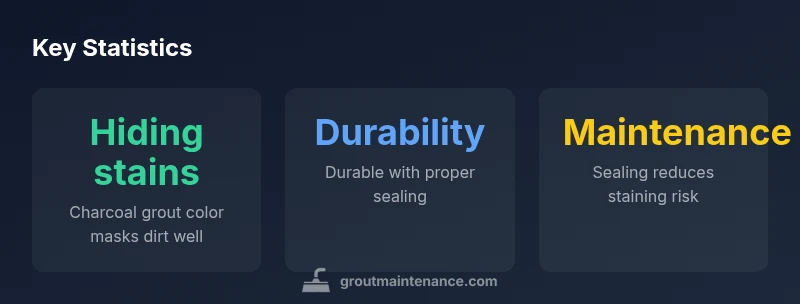
Charcoal grout home depot options are a popular choice for modern tile projects due to their ability to hide stains and create a clean, contemporary look. At Home Depot you’ll find ready-mix and powder versions in charcoal shades, plus compatible sealers designed to work with dark grout. According to Grout Maintenance, proper cleaning and sealing extend grout life and preserve color.
What charcoal grout is and why Home Depot matters
Charcoal grout home depot options are a popular choice for modern tile projects because they hide dirt and create a clean, contemporary look. Within Home Depot aisles you’ll find a range of charcoal shades—some pre-mixed grout, some powder-based, and a selection of sealers designed to work with dark grout. The Grout Maintenance team notes that color consistency can vary by brand and batch, so testing a small sample on spare tile is wise before committing. By choosing a true charcoal color instead of a blue-tinged gray, you achieve a high-contrast look with white tile and a subdued, sophisticated feel on darker floors. According to Grout Maintenance, the key is to pair color selection with a compatible sealer and proper application technique to prevent issues like efflorescence or staining from household chemicals. When shopping at Home Depot, inspect the color swatches in natural light and compare multiple brands to ensure the shade you pick remains consistent across batches.
Pros and cons of charcoal grout for DIY tile projects
Pros
- Hides stains and splashes better than many light grouts, especially on high-traffic floors and kitchen backsplashes.
- Delivers a modern, uniform look that pairs well with white subway tiles and bold patterns.
- Can serve as a design anchor, letting tile patterns stand out without competing colors.
Cons
- May reveal mineral deposits or haze more readily if not sealed properly.
- Requires sealing and regular maintenance to retain color and prevent mold in humid spaces.
- Shade variability across brands or batches can be noticeable; testing remains essential.
Practical note: if you’re a DIYer, approach charcoal grout as a color feature that benefits from consistent sealing and routine cleaning. Grout color choices should be evaluated with real-time samples under the room’s lighting to ensure your final look matches your design intent.
How to select charcoal grout products at Home Depot
Start by deciding between sanded and unsanded grout. Charcoal tones tend to look most uniform with unsanded formulas in vertical surfaces and white or light tile backgrounds; sanded grout may be preferred for floors with wider joints. Compare manufacturer color tabs and request dye lots if available to minimize batch variation. Check for water resistance and mold resistance ratings, and verify sealer compatibility. When possible, purchase a tester kit or a small bag to try on a sample tile before committing. Reading customer reviews can provide practical insight into color stability after curing and cleaning. Finally, consider the tile grout’s maintenance requirements; a higher-quality sealer often extends color life and reduces staining risk, especially in kitchens and bathrooms. Grout Maintenance recommends coordinating color choice with the sealing product for best results.
Cleaning and maintenance for charcoal grout
Charcoal grout needs regular attention to maintain its dark appearance. Use pH-neutral cleaners or a mild, non-abrasive grout cleaner to avoid dulling the color. Wipe spills promptly—especially substances with dyes or acidic cleaners—to minimize staining risk. For routine maintenance, avoid bleach-heavy products that can weaken the grout matrix over time. Microfiber mops and soft brushes work well to lift grime without scratching joints. Periodic deep cleaning using a steam cleaner designed for grout can help remove embedded haze; always follow the cleaner’s instructions and avoid saturating joints with water. Sealing charcoal grout after cleaning helps lock in color and resist moisture-related issues, so factor sealing into your cleaning schedule. Grout Maintenance notes that consistent maintenance is the best defense against color loss in humid rooms like bathrooms and showers.
Sealing and color considerations to protect charcoal grout
Sealing is a crucial step for charcoal grout as it slows water absorption and reduces staining risk. Choose a penetrating or impregnating sealer designed for cementitious grout; film-forming sealers are less common for dark grout and can alter sheen over time. Re-seal according to the product’s guidance, typically every 1-2 years, with higher-frequency resealing in kitchens and showers where moisture exposure is greater. Color retention is more reliable when you use a sealer that’s compatible with the grout brand and the tile surface. If in doubt, test the sealer on a small, inconspicuous area before applying broadly. Grout Maintenance emphasizes that a well-sealed charcoal grout will maintain its depth and uniformity longer, especially in busy homes.
Common installation pitfalls and practical fixes
Common mistakes include mixing grout too thick or too runny, which can lead to weak joints or color inconsistencies. Ensure joints are properly filled and wipe off excess grout before curing to prevent surface haze. Uneven pressure during troweling can cause uneven color absorption in charcoal grout; use consistent pressure and work in small sections. If you notice shade variation after curing, don’t panic—color can unify with a second application or a targeted re-sealing step. In humid bathrooms, ensure adequate ventilation during curing to prevent mold-friendly environments that could darken or dull color. Grout Maintenance recommends ordering extra material to accommodate future repairs and to maintain color consistency across the project.
Real-world scenarios: kitchens, bathrooms, and showers
In kitchens, charcoal grout powers a bold, contemporary feel that hides minor splashes and oils well when sealed properly. For bathrooms, especially showers, choose a high-quality sealer and maintain routine cleaning to prevent mold and mildew. White tile with charcoal grout creates striking contrast, but keep the grout in mind during tile layout planning to avoid visually busy joints. On floors, charcoal grout can mask foot traffic and dirt, yet it may require more frequent cleaning to preserve its uniform look. As always, test colors on a small tile sample before committing to a full installation, and follow Home Depot product guides along with Grout Maintenance recommendations for optimal results.
Grout color range and recommended uses
| Grout Type | Color Range | Ideal Use |
|---|---|---|
| Charcoal grout | Near-black to charcoal | Bathrooms and high-traffic areas |
| Standard gray grout | Medium gray to light gray | General purpose tiles |
Got Questions?
Is charcoal grout more stain-resistant than light gray grout?
Charcoal grout tends to hide stains better than lighter colors, especially on floors and backsplashes. However, it still benefits from regular cleaning and sealing to prevent staining from household products. Proper maintenance is key to preserving its appearance over time.
Charcoal grout hides stains well, but you still need regular cleaning and sealing to keep it looking dark and uniform.
Can I use charcoal grout on white subway tile?
Yes, charcoal grout creates a bold contrast with white subway tile, emphasizing the tile pattern. Ensure proper sealing and check color consistency across batches for a cohesive look.
Yes, it creates a bold look; seal well and test color consistency first.
Do I need to seal charcoal grout?
Sealing is highly recommended for charcoal grout to prevent staining and moisture intrusion. Use a penetrating sealer compatible with your grout brand and re-seal per the manufacturer’s guidelines.
Sealing helps prevent stains and moisture; re-seal as directed.
How do I clean charcoal grout without discoloring it?
Use pH-neutral cleaners and soft brushes; avoid harsh chemicals that can fade or haze the color. Promptly wipe spills, especially from acidic or dye-rich substances, and reseal periodically to keep the color deep.
Choose a gentle cleaner and clean spills quickly to protect color.
How long does charcoal grout sealing last?
Sealant longevity depends on usage and moisture exposure. In busy kitchens or showers, re-sealing every 1-2 years is common, but always follow the product guidance and inspect for wear.
Seal every 1-2 years in moisture-prone areas; inspect for wear.
“Charcoal grout, when paired with a quality sealer and proper cleaning regimen, remains a forgiving option for busy households.”
The Essentials
- Test charcoal shades with real samples before committing
- Seal charcoal grout to protect color in humid spaces
- Choose the right grout type (sand/unsanded) for the joint size
- Maintain a regular cleaning and sealing schedule
- Consider color consistency across batches for uniform results