Grout Cleaner Home Depot: A Practical Guide for DIY Grout Care
Explore grout cleaner choices at Home Depot, compare ingredients and safety notes, and get tips from Grout Maintenance to protect grout color and tiles.


Grout cleaner options at Home Depot vary by grout type, stain, and tile material. For most DIY projects, oxygen-bleach or enzyme-based cleaners offer safe, effective results with color grout. Always read labels, test a hidden area, and follow dwell times. This guide helps you choose the right product and use it safely.
Understanding grout cleaner options at Home Depot
According to Grout Maintenance, Home Depot stocks a broad mix of grout cleaners tailored to different grout colors, tile materials, and stain types. The lineup typically includes oxygen-bleach cleaners, enzyme-based formulas, alkaline cleaners, and even acid-based products for mineral deposits. For color grout, oxygen bleach or enzyme-based products are generally safer bets, while acidic cleaners are best reserved for mineral buildup on uncolored grout. When shopping, compare labels, read safety warnings, and check that the product is compatible with your tile type. Always ventilate the area well during cleaning and wear gloves. This section helps you map your stain profile to the right cleaner, so you avoid inadvertently fading color or damaging tile edges. Grout maintenance routines benefit from choosing a product that aligns with your grout’s porosity and cleaning history, and from testing a small, inconspicuous spot first to confirm colorfastness.
How grout type and tile material influence cleaner choice
Not all grout cleaners perform equally across different grout compositions and tile substrates. Porcelain and ceramic tiles often tolerate a wider range of cleaners, while natural stone or unglazed tiles can be sensitive to acidic or caustic formulas. Cement-based grout colors may fade with strong bleach or acid cleaners. When selecting from Home Depot, identify your grout type (sand vs. epoxy, cement-based vs. epoxy grout) and tile material, then pick a cleaner with an appropriate active ingredient and
Reading labels: ingredients,
Step-by-step use of typical Home Depot grout cleaners
Prepare the area by removing loose debris and protecting surrounding surfaces. Test the cleaner on a hidden area of grout for 5-10 minutes. Apply the cleaner according to label directions, usually spraying or brushing onto the grout lines. Allow the product to dwell for the specified time, then scrub with a stiff bristle brush. Rinse thoroughly with clean water, repeat if necessary, and allow to dry completely before evaluating results. For color grout, avoid prolonged dwell times and minimize saturation to prevent color fading. Always follow the product’s safety hints, such as wearing eye protection and ensuring proper ventilation.
Special cases: showers, mold, and color grout
Mildew and stubborn soap scum respond well to cleaners with mold-fighting ingredients, provided the grout is not delicate or painted. In showers, keep the area dry after cleaning to limit regrowth, and consider a periodic sealing regimen after grout has fully cured. For color grout, prioritize oxygen bleach or enzyme cleaners and avoid acidic formulas that could dull color or degrade sealant. If stains persist after a few passes, it may be time to re-grout or consider epoxy grout for a more stain-resistant finish.
DIY alternatives and when to avoid home remedies
While DIY pastes (baking soda and water) can help mild stains, they are often insufficient for deep or set-in staining. Rely on store-bought grout cleaners when dealing with heavy staining or long-standing mildew. Avoid mixing cleaners, particularly bleach with ammonia or acids, as this creates toxic gases. For sensitive installations (natural stone, high-porosity grout), consult a professional prior to attempting any strong cleaner. If you’re unsure about the chemical reaction, test first in an inconspicuous area and proceed gradually.
Maintenance: sealing grout after cleaning
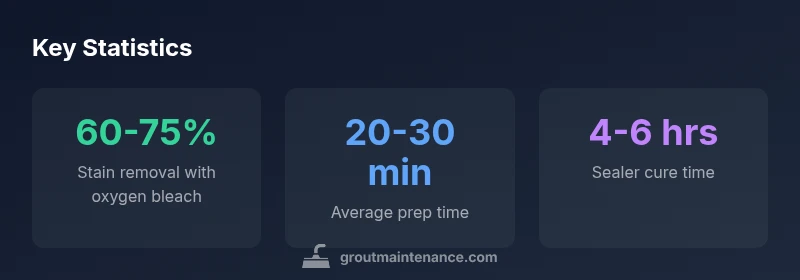
Post-cleaning sealing helps reduce future staining and makes routine maintenance easier. Wait until grout is fully dry (often 24-72 hours, depending on humidity) before applying a penetrating sealer. Follow the manufacturer’s recommended cure time and re-seal periodically based on traffic and cleaning frequency. A sealed grout line resists water, dirt, and mildew, which makes upcoming cleanings quicker and more effective. Grout care is a long-term investment in tile longevity.
Practical testing, storage, and disposal
Keep a small, clearly labeled stash of cleaners for spot cleaning and seasonal deep cleans. Store products in a cool, dry place away from direct sun and heat sources. Always cap containers after use and dispose of empty bottles following local regulations. Keep safety data sheets accessible for quick reference during home maintenance projects.
Common grout cleaner types available at Home Depot
| Product Type | Active Ingredient | Typical Use | Notes |
|---|---|---|---|
| Oxygen bleach cleaner | Sodium percarbonate | Whitens grout and removes organic stains | Safer for color grout; requires ventilation |
| Enzyme-based cleaner | Enzymes (protease, amylase) | Breaks down organic stains and odors | Gentle on surfaces; test color first |
| Alkaline cleaner | Sodium hydroxide / potassium hydroxide | Heavy grime and built-up soap scum | Caustic; wear gloves; avoid on natural stone |
| Acid-based cleaner | Hydrochloric or phosphoric acid | Mineral deposits and hard-water stains | Strong; can etch grout; use cautiously; avoid on metal fixtures |
Got Questions?
Can I use bleach on colored grout?
Bleach can fade or lighten colored grout. Prefer oxygen bleach or enzyme cleaners and test on a hidden area before wider use.
Bleach can fade colored grout. Test a hidden spot first and consider safer alternatives.
Are Home Depot grout cleaners safe for natural stone?
Most grout cleaners aren’t formulated for natural stone. Use pH-neutral, stone-safe formulas and perform a patch test first.
Stone surfaces need gentler, pH-neutral cleaners. Do a patch test before full use.
Should I seal grout after cleaning?
Yes. Sealing helps prevent future staining. Wait for full grout drying as recommended by the sealer manufacturer before applying.
Seal after cleaning to protect the grout; ensure it’s fully dry first.
What’s the best method for mildew on grout in showers?
Use a mildew-fighting cleaner and scrub with a stiff brush. Rinse thoroughly and dry to prevent regrowth.
Scrub with mildew-fighting cleaner, rinse well, and dry after cleaning.
Is steam cleaning safe for grout?
Steam can help but may loosen old grout. Avoid steam on cracked grout and test in a small area first.
Steam can help but test first and avoid damaged grout.
Can I mix cleaners?
Never mix cleaners, especially bleach with ammonia or acids. This can release dangerous gases.
Don’t mix cleaners; it can release toxic gases.
“Choosing the right grout cleaner depends on grout color, tile material, and stain type; always follow manufacturer directions and test a small area before full use.”
The Essentials
- Identify your grout type before selecting a cleaner.
- Read labels for pH, ingredients, and safety notes.
- Test cleaners on a hidden area first.
- Never mix cleaners; toxins can form.
- Seal grout after cleaning to prevent future staining.