How Long Before You Can Wash Grout: A Practical Guide
Learn how long to wait before washing grout after installation or cleaning. This guide covers curing times, readiness testing, sealing considerations, and safe cleaning practices for DIY tile projects.


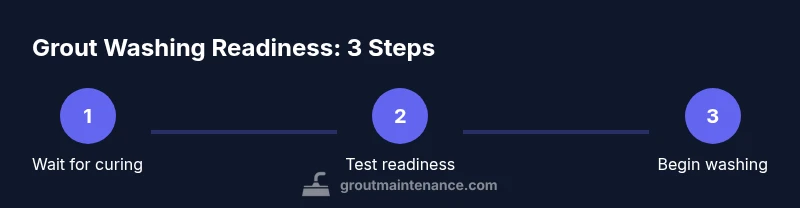
Definition: how long before you can wash grout? It means waiting for the grout to cure before cleaning to prevent color change or haze. The required wait varies with grout type, temperature, and ventilation, but plan for a minimum cure window of about one day and often longer. Always follow manufacturer guidelines and test a small area first before washing the full surface.
Why waiting matters for grout health and look
Waiting for grout to reach a proper level of cure before washing is essential for preserving color, preventing surface haze, and ensuring the finish remains intact over time. Grout is a cement-based material that continues to cure after installation. Washing too soon can push loose cement particles to the surface, wash away fine grout powder, or trap haze behind cleaners. By delaying washing, you give the chemical bonds time to form and the hydrated compounds to set. This not only preserves appearance but also improves long-term resistance to staining, mold, and efflorescence. In practical terms, the question of how long before you can wash grout is answered by checking cure indicators and following product-specific guidance. For most residential projects, plan to wait through the early cure window and then move to careful testing before committing to a full cleaning.
A good rule of thumb is to view washing as a two-step milestone: first ensure surface cure, then verify dryness. Curing refers to the chemical process that strengthens grout, while dryness refers to moisture balance within the grout joints. If you wash while still moist, water can carry pigments or surface fines into the cleaner, creating an appearance that looks cloudy or milky. The goal is a clean surface without compromising the grout’s integrity or color. Remember: patience here saves you time later on rework, haze removal, or resealing. According to Grout Maintenance, respecting cure times helps protect the project’s overall aesthetic and durability.
tip1":"If you’re unsure about cure, test a hidden area first to avoid visible mistakes.","tip2":"Keep the room well-ventilated to control humidity that can slow cure."],
toolsMaterialsClosedFormatOnly:true
toolsMaterials: {"items": []}
stepsByStepNote404: null
stepByStepDefaultTime: null
Tools & Materials
- Nitrile gloves(to protect hands from cleaners and grout dust)
- pH-neutral grout cleaner(avoid acidic cleaners on cementitious grout during cure)
- soft-bristle brush(non-scratch bristles, 0.5–1 inch diameter head)
- microfiber cloths(for applying cleaner and drying surfaces without leaving lint)
- masking tape or plastic sheeting(protect adjacent surfaces during cleaning or curing weather)
- digital moisture meter(optional tool to check dryness in grout joints)
- ventilation fan(improve air circulation and evaporation as needed)
- grout sealer (optional)(apply only after grout is fully cured and dry)
Steps
Estimated time: Total time: 1 day to several days depending on grout type, substrate, and room conditions.
- 1
Assess the grout surface
Begin by inspecting grout lines for color changes, chalky haze, or surface powder. Check the surrounding tiles for any loosened grout or cracks. If the surface appears consistent and dry to the touch, mark the area you will test first.
Tip: Visual checks save time; look for uniform color and no damp spots. - 2
Test readiness in a hidden area
Dampen a small, inconspicuous patch with a neutral cleaner. Wipe with a clean cloth and observe for haze, color changes, or powder lift. If no issues appear after a short wait, proceed to larger areas gradually.
Tip: Time the test for 5–15 minutes to observe immediate reactions. - 3
Proceed with washing if test passes
Apply cleaner to the test patch using a soft brush in a circular motion. Rinse with clean water, then dry with a microfiber cloth. If no haze or color change occurs, expand to adjacent grout sections.
Tip: Avoid soaking; use controlled, light misting and quick drying. - 4
Rinse again and dry thoroughly
After washing, rinse thoroughly to remove cleaner residues. Dry the grout with clean cloths and allow the area to air-dry completely before any sealing or use. Monitor for signs of moisture lingering in joints.
Tip: Water trapped in joints can lead to future hazing when sealing. - 5
If readiness isn’t clear, extend cure time
If the test shows any hazing or moisture retention, do not proceed. Cover the area or improve ventilation and delay washing for additional time, checking again daily until dryness is evident.
Tip: Better to wait another day than risk damaging the grout finish.
Got Questions?
What happens if I wash grout too soon?
Washing too soon can push loose cement particles to the surface, increase haze, and potentially degrade sealers or finishes. It may require longer drying times and re-cleaning. Always verify cure state with tests before proceeding.
Washing too early can cause haze and weaker grout. Test first and wait longer if unsure.
Can heat speed up curing?
Heat can speed evaporation but may also cause uneven curing or cracking in some grout products. Rely on manufacturer guidance for temperature ranges and ensure consistent conditions rather than rushing with heat.
Heat might speed evaporation but can cause problems. Follow the product’s recommended temperature range.
Is there a difference between cementitious and epoxy grout for wash timing?
Yes. Cementitious grout typically requires a longer cure before washing, while epoxy grout may reach readiness sooner but still benefits from proper testing. Always follow the specific product instructions for both types.
Epoxy can dry faster, but always test first to avoid issues.
Should I seal grout before washing?
No. Sealing is generally done after grout has cured and dried, and typically after a completed washing to avoid trapping moisture. Check your sealer’s instructions.
Sealing before washing can trap moisture and affect finish.
What are signs that grout is not ready to wash?
Persistent dampness, dark spots, or new haze after small-area testing indicate the grout isn’t ready. In such cases, extend the cure period and re-test before washing.
If you still see dampness or haze after a test, don’t wash yet.
Watch Video
The Essentials
- Follow manufacturer guidelines for cure times.
- Test readiness with a small area before full wash.
- Use a neutral cleaner and a soft brush.
- Seal only after grout is fully cured and dry if needed.