How to Get Grout Out of Patio: Step-by-Step Guide
Learn practical methods to remove grout from a patio safely. This Grout Maintenance guide covers tools, techniques, and regrouting options for durable outdoor tile finishes.


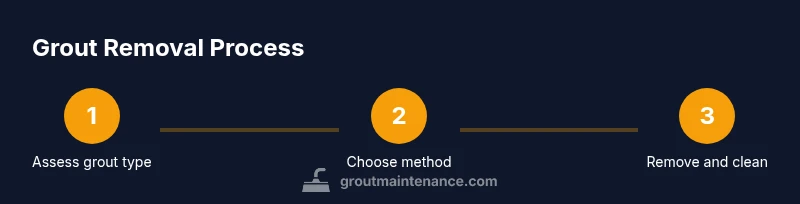
How to get grout out of a patio: you’ll identify the grout type and substrate, choose a removal method, and plan for clean-up and regrouting. Gather PPE, hand tools or a rotary tool, a scraper, and a grout saw. According to Grout Maintenance, test a small area first to gauge hardness and substrate tolerance before full removal. The Grout Maintenance team recommends starting with the least invasive method.
Why removing grout from patio is sometimes necessary
According to Grout Maintenance, patio grout removal is not always glamorous, but it is a common step when reviving outdoor tile. Over time, grout joints crack, crumble, or stain, letting moisture, weeds, and dirt into the substrate. Left unmanaged, this can lead to efflorescence, loose tiles, or accelerated deterioration of the surface. The Grout Maintenance team notes that the outdoor environment—freeze-thaw cycles, UV exposure, and soil movement—places extra stress on grout joints, making timely removal and replacement a smart plan. Before you begin, define the area you will tackle, inspect for any sinking or damage, and decide whether you will regrout in the same joints or switch to a different grout system. A clear scope saves material, time, and frustration and helps you coordinate with other outdoor renovations.
Types of grout and substrate you’ll encounter on patios
Outdoor grout types vary widely, and so does substrate. Cementitious grout (sanded or unsanded) is common on patios with concrete slabs or brick pavers, while epoxy grout is chosen for chemical resistance or heavy-use surfaces. Epoxy is significantly tougher to remove but less prone to staining; cementitious grout is easier to cut out with standard tools. The underlying substrate—paver bed, concrete slab, or mortar joints—also dictates removal method. If you plan to pull grout near edges or against paver lips, you may need to protect stone or ceramic paving with tape and a shield. Knowing your grout type and substrate helps you choose the least invasive approach and reduces the risk of chipping or undermining the substrate, which can lead to costly repairs later on.
Safety gear and prepping the workspace
Safety and workspace prep are non-negotiable. Wear eye protection and a dust mask, and keep pets and kids away from the work zone. Use a drop cloth or plastic sheeting to catch debris and prevent grit from spreading to landscape beds or vegetation. Ventilation matters for chemical removers; outdoors is preferable, but avoid windy, exposed spaces where fumes can accumulate. Test a small patch before committing to larger removal, and gather your tools and buckets within reach to minimize trips back and forth. Because removing grout can create a lot of dust, plan for a cleanup route and a final rinse to prevent residue from spreading to clean areas.
Mechanical removal options: pros and cons
Mechanical removal is the fastest option for cementitious grout and a practical choice for large areas. A grout saw or manual scraper works well for narrow joints and edges, while an oscillating multi-tool with a carbide blade can remove the bulk of the joint quickly. An angle grinder with a diamond cup wheel is efficient for stubborn sections but generates substantial dust and heat, so use cautiously and protect nearby tiles. Epoxy grout is tougher and may require a combination of mechanical effort and chemical treatments. Work gradually, keep the tool perpendicular to the joint to avoid gouging, and clear dust frequently to monitor progress.
Chemical removers and specialty products
Chemical removers can help when cementitious grout is deeply stained or epoxy grout resists mechanical removal. Outdoor-safe removers loosen the cement in the joint, making scraping easier. Follow the product label for exposure time and ventilation; apply with a brush or sprayer, keep the surface damp to prevent quick drying, and protect nearby plants. Test on a small area first, since some products can discolor pavers or soften sealants. Remember, outdoor chemicals require proper handling; never mix products, and rinse thoroughly after use to prevent residue from causing staining or slip hazards.
Grinding vs scraping: which to choose
Grinding with a diamond cup wheel can remove hard, sealed grout quickly but increases heat and dust; scraping is slower but gentler on edges. When choosing a method, consider grout depth and whether you need to preserve adjacent joints for a uniform final appearance. If you have a porous surface or soft stone on the patio, test a small area first and reduce speed to minimize chipping. After grinding or scraping, vacuum up dust and wipe with a damp cloth to prepare for washing and regrouting.
Protecting adjacent pavers, coping, and edging
Protecting surrounding materials is essential. Use painter’s tape along the grout lines to prevent scratches on stone edges and keep debris off nearby surfaces. Set up a temporary dust containment barrier around the work zone, and use a shop vacuum with a HEPA filter to capture fine dust. Keep a water spray bottle handy to dampen dust and reduce airborne particles. This step minimizes cleanup and preserves the appearance of nearby tiles, edging, or landscape features.
Cleaning, drying, and preparing for regrouting
After grout removal, rinse the entire area to remove dust and small particles. Allow the surface to dry completely—moisture can hinder grout adhesion. If you see films or residue, scrub with a stiff brush and rinse again. Inspect joints for remaining voids and clear debris with a vacuum. Only apply grout when the area is dry and stable; moisture inhibits bond strength and can cause cracking later on.
Regrouting options: cementitious vs epoxy
Regrouting options include cementitious grout and epoxy grout. Cementitious grout is easy to mix, apply, and seal, offering a classic look with proper curing. Epoxy grout provides superior resistance to staining and water penetration but is harder to work with and more costly. Outdoor patios commonly use cementitious grout with a quality sealer, while high-traffic or chemical-exposure areas may benefit from epoxy. Follow manufacturer guidance for curing times and temperatures, and plan for sealing after curing to maximize durability.
Tools & Materials
- Safety goggles(Impact-resistant eye protection)
- Nitrile gloves(Protect hands from sharp edges and chemicals)
- Dust mask or respirator(P100 or N95 recommended for dust control)
- Grout removal tool (grout saw or oscillating tool with carbide blade)(Choose based on grout width and joint depth)
- Chisel and hammer(Edge work or stubborn spots)
- Utility knife(Score joints to initiate removal)
- Shop vacuum with HEPA filter(Capture fine dust continuously)
- Heat gun or diamond cup grinder (optional)(Use with caution for tough spots)
- Buckets, stiff-bristle brush, sponge(Rinse and scrub between passes)
- Grout float and mixing tools(For mixing and applying new grout)
- Sealant compatible with outdoor grout(Apply after curing for protection)
- Water source spray bottle(Moisten dusty areas to control dust)
Steps
Estimated time: 4-8 hours
- 1
Test patch and plan
Start by selecting a small patch to test your removal method. This reduces the risk of widespread damage and helps you gauge how the substrate and adjacent tiles will react to the chosen tool or product. Confirm weather conditions are suitable for the work.
Tip: Document the test results and adjust your plan before expanding. - 2
Identify grout type and substrate
Determine whether you’re removing cementitious or epoxy grout and note the substrate (concrete slab, paver bed, etc.). This informs whether you should start with mechanical removal and how you control dust and debris.
Tip: Epoxy grout often requires a tougher approach; plan accordingly. - 3
Prep the workspace and safety gear
Put on PPE, cover nearby plants or features, and set up containment to keep dust from spreading. Arrange tools within easy reach to minimize back-and-forth trips.
Tip: Keep a damp cloth or spray bottle handy to suppress dust during the job. - 4
Begin mechanical removal
Use a grout saw or oscillating tool to remove the surface portion of the grout along the joint. Work methodically along lines, keeping the tool perpendicular to the joint to avoid gouging the substrate.
Tip: Work from edge toward center to reduce risk of stepping on loose pieces. - 5
Expand removal gradually
As the patch opens, widen the area in increments, rechecking the substrate surface for damage or hollow spots. Use a scraper to reach into deeper joints when necessary.
Tip: Take breaks to prevent tool overheating and to maintain precision. - 6
Clean and inspect
Vacuum dust thoroughly and wipe the surface with a damp cloth. Inspect joints for remaining material and ensure edges remain intact before proceeding to regrouting.
Tip: A clean, dry surface yields better grout adhesion. - 7
Choose and mix grout
Decide between cementitious or epoxy grout based on exposure and maintenance goals. Mix per manufacturer's guidance, achieving a consistent paste.
Tip: Avoid over-watering cementitious grout for better durability. - 8
Apply grout and tool
Pack grout firmly into joints with a grout float, then remove excess by sliding the float diagonally across the joints. Shape joints to maintain a clean profile.
Tip: Work in small sections to maintain control over depth and consistency. - 9
Cure, seal, and maintain
Allow grout to cure fully per product guidelines. Apply an outdoor sealer if recommended and monitor for moisture. Plan routine maintenance to keep the surface looking fresh.
Tip: Seal within the recommended window after cure for best results.
Got Questions?
What is the first step to get grout out of patio?
Test a patch with your chosen method and PPE; avoid damage to edges.
Start with a test patch to ensure the method won’t harm tiles or edges.
Can I remove epoxy grout on a patio the same way as cementitious grout?
Epoxy grout is tougher and may require solvents or grinding; follow manufacturer directions and consider professional help for large areas.
Epoxy grout needs more careful methods; start with a patch and proceed slowly.
Do I need to seal after removing grout?
Yes, regrout and seal for water resistance and stain protection.
Seal after regrouting to protect your patio.
How long does regrouting take after removal?
Timing varies with grout type and climate; plan a dedicated day and account for curing.
Regrouting can take a day or two depending on conditions.
What safety precautions are most important?
Wear PPE, keep others out of the work zone, use proper tools, and avoid grinding near edges.
Wear PPE and keep kids and pets away.
What common mistakes should I avoid?
Rushing, damaging substrate, not cleaning thoroughly before regrouting, and failing to seal after.
Don't rush; prep and clean well for lasting results.
Watch Video
The Essentials
- Test patch before full removal.
- Wear PPE and protect surroundings.
- Choose regrout option based on exposure and use.
- Seal after curing to maximize durability.