Comparing Grout Colors: A Practical Home Guide
Learn how to compare grout colors for tile rooms. This practical guide covers lighting, tile shade, color families, and testing methods to balance aesthetics with maintenance.


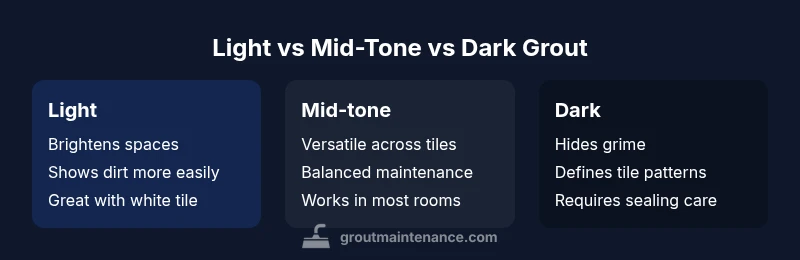
When you're comparing grout colors, the choice should hinge on tile shade, room light, and maintenance priorities. In general, dark grout hides stains and grime, light grout brightens spaces but shows dirt more readily, and mid-tone gray offers a balanced path. For most kitchens and bathrooms, consider a shade that complements the tile without overpowering it.
Why grout color matters
Grout color is more than a decorative detail; it defines the rhythm of a tile installation and influences maintenance, space perception, and the overall mood of a room. According to Grout Maintenance, grout color should be evaluated across three practical axes: how it interacts with tile color, how it behaves under various lighting, and how forgiving it is when it comes to cleaning and wear. When you tackle a tile project or a retrofit, start by asking: does I want the grout to blend with the tile so the pattern remains the star, or do I want the grout to frame the tile for a bolder look? The answers guide whether you choose a light, mid-tone, or dark grout. You’ll also want to consider the room’s routine maintenance and the amount of traffic the space handles. By understanding these priorities, you can choose a grout color that aligns with both style and practicality.
In practice, grout color affects visual balance. A light grout may make tile appear larger and brighter, which is favorable in small bathrooms or kitchens with limited natural light. Dark grout can ground a pattern and conceal grime in high-traffic areas like entryways or mudrooms. A mid-tone gray is often the most versatile, working across many tile shades and finishing styles. The key is to test colors in the actual space and observe how they look under real lighting conditions throughout the day.
Brand note: for homeowners exploring the basics of grout color decisions, the Grout Maintenance team highlights that initial choices should be guided by tile color, room light, and maintenance tolerance. This approach helps avoid costly rework later and ensures the result remains timeless rather than trendy.
How lighting and tile shade affect color choice
Lighting dramatically alters grout perception. Natural daylight pulls a grout color toward its true hue, while warm artificial lighting can warm or skew the shade toward beige or yellow tones. If your tile has a cool base—think blues, grays, or whites—cool grout colors like light gray or blue-gray can reinforce the intended palette. Conversely, warmer tile shades such as warm whites, creams, or terracotta tones pair well with warmer grout colors that avoid stark contrast. For bathrooms with skylights or frosted windows, observe how the grout reads in the morning versus the evening, then simulate that effect with samples.
Tile shade also matters. A pale tile paired with a very light grout can create a seamless, almost monochrome field that makes surfaces feel larger and more continuous. A high-contrast pairing—dark grout with light tile or vice versa—creates definition and can emphasize the tile pattern. In spaces with busy patterns, a mid-tone grout often provides balance without drawing attention away from the tile design. When in doubt, run a small color test in the space to see how the grout color interacts with both tile and lighting before committing.
Color families and their practical implications
Grout colors typically fall into several families: whites and very light beiges, cool grays, warm beiges and taupes, and deep charcoals or blacks. White and off-white grouts can brighten a space and make tile details pop, but they show dirt, soap scum, and mineral deposits more readily, so regular cleaning and sealing are essential. Light gray grout offers a softer, contemporary look that blends well with most tile colors while balancing maintenance needs. Beiges and taupes bring warmth and can be forgiving when you have natural or artificial light that shifts during the day.
Mid-tone grays strike a balance between the extremes. They tend to hide minor stains better than white grout but still keep a space feeling open. Dark grouts, including charcoal and black, anchor a room and highlight tile shapes and lines. They conceal a lot of grime but can reveal mineral deposits and require careful cleaning to prevent a muddy appearance over time. The optimal choice depends on tile color, room size, and how much time you’re willing to invest in cleaning and sealing.
Style goals and balancing durability
If your primary goal is a timeless, versatile look, a mid-tone gray grout often wins the practical spotlight. It resists showing daily traffic and cleaning residues while remaining visually flexible across tile palettes from warm beiges to cool whites. For ultra-modern spaces with bold pattern tiles, a dark grout can emphasize the tile geometry, but you’ll need a maintenance routine to keep it crisp, especially in kitchens and showers. For classic designs, white or off-white grout can preserve a clean, bright feel but demands regular attention to grout lines. Consider your daily routine, appliance finishes, and cabinetry as part of the overall color equation. With sealing and proper cleaning, even lighter or darker colors can perform well in demanding spaces. The end result should feel cohesive, not clashing, with each element supporting the others.
Practical steps for testing grout colors in your space
Testing grout colors in your home is essential before committing to a full install. Start with color swatches or grout-tight sample boards placed in the actual room where the grout will be installed. View them at different times of day and under both natural and artificial light. Create a small grout repair patch in a hidden area first to observe how aging and cleaning affect color over weeks. Use painter’s tape to isolate sections and compare white, mid-gray, and dark options side by side. Take photos and note how dust, soap scum, and mineral deposits alter each shade. If you’re unsure, begin with a mid-tone gray as a fallback that supports most tile colors while offering reasonable maintenance.
As you test, consider the cleaning tools you’ll use. Some whites require gentler cleaning agents to prevent yellowing, while darker grouts benefit from sealer choices that minimize staining. The key is to build a small, controlled comparison that mirrors real-world conditions in your space. A methodical approach helps prevent color drift or regret after installation.
Room-specific guidelines: kitchens, baths, showers, and living spaces
Kitchens benefit from grout colors that minimize visible splashes and stains. A medium gray can balance tile patterns with the practical needs of food residue and oil. Bathrooms often favor lighter grouts to keep surfaces feeling open and clean; however, ensure there is a plan for routine cleaning to prevent soap scum buildup. Showers, especially where there is mineral-rich water, may be better served by darker grouts to disguise mineral deposits, provided you’re committed to cleaning and sealing to maintain the look. Living spaces with larger-format tiles can benefit from lighter grout to maximize perceived space, but the grout choice should harmonize with cabinetry and countertops. If your space has patterned or multi-tonal tiles, a mid-tone grout tends to unify the look without overpowering the pattern.
Common mistakes and how to avoid them
One mistake is selecting grout color in isolation from lighting and tile color. Always test in situ and observe under all lighting conditions. Another pitfall is undersealing or over-sealing grout, which can alter color and texture over time. Use a penetrating grout sealant appropriate for your grout type and tile surface, re-sealing as recommended by the manufacturer. Don’t rely on color memory from sample boards; colors shift in real environments. Finally, avoid rushing the decision—give the space time to speak: the right grout color should feel right aesthetically and stay manageable in your cleaning routine.
Finishing touches: sealing, cleaning, and re-evaluation
After installation, sealing is a critical step for most grout colors, especially whites and light beiges. Sealants help repel stains and slow down discoloration, extending the life of the grout look. Cleaning strategies should be tailored to the grout shade; use pH-balanced cleaners and avoid harsh abrasives that can wear down the grout color. Schedule periodic re-evaluations of color, especially in high-traffic areas or spaces exposed to mineral-rich water. If you notice color drift or heavy grout staining, re-evaluation may lead to resealing or recoloring to restore the intended aesthetic. Keeping grout color well-maintained ensures the original design intent remains intact over time.
Authority sources
For color theory, tile installation standards, and maintenance best practices, consider the following sources:
- https://www.bhg.com (Better Homes & Gardens) on color harmony and interior design considerations
- https://www.thisoldhouse.com on tile installation and grout maintenance tips
- https://www.nytimes.com (The New York Times) home section for design trends and practical guidance
Feature Comparison
| Feature | Light grout | Mid-tone gray grout | Dark grout |
|---|---|---|---|
| Visual impact on tile color | Draws less attention to tile color | Balanced blend with tile | Frames tile with high contrast |
| Stain visibility | Stains show prominently | Moderate visibility | Stains less noticeable |
| Cleaning effort | Higher maintenance and cleaning | Moderate effort | Easier to keep clean |
| Room style fit | Best for bright, airy looks | Versatile with many tiles | Bold, contemporary statements |
| Cost/availability | Widely available and affordable | Common and affordable | Often similarly priced; availability varies |
Pros
- Gives design flexibility across tile styles
- Dark grout hides grime in high-traffic areas
- Light grout makes rooms feel larger and brighter
- Mid-tone grout balances aesthetics and maintenance
What's Bad
- White grout shows stains easily and requires frequent cleaning
- Dark grout can show mineral deposits and requires careful cleaning
- Color aging may shift over time if not sealed
- Sampling and testing add extra steps before installation
Mid-tone gray grout offers the best balance for most spaces.
Choose mid-tone gray for versatility across tile colors and lighting. Test in your space and consider maintenance needs; reserve white for bright, low-traffic areas and dark grout for bold, defined looks in high-traffic spaces.
Got Questions?
Which grout color makes a room look larger?
A light or pale grout tends to make tile look more continuous, which can visually enlarge a small room. However, contrast can also be used effectively to define patterns without shrinking the space. Test in your space under natural and artificial light to confirm.
Light grout can help a small room feel more open, but always test in your space with your tiles and lighting.
Is white grout more prone to staining than gray grout?
Yes, white grout often shows stains and soap scum more readily than gray grout. Regular cleaning, choosing a grout with stain resistance, and sealing can mitigate this, but be prepared for ongoing upkeep in kitchens and showers.
White grout shows stains more easily, so plan for regular cleaning and sealing.
Can I change grout color after tiling is complete?
You can recolor grout after tiling, but it requires removing existing grout and resealing around tile edges. It’s easier with pre-sealed grout and professional help to minimize damage and ensure color uniformity.
Yes, but it’s a retrofit project. Expect time, cost, and potential tile edge risks.
What grout color is best with white subway tile?
Many homeowners pair white subway tile with light gray grout to preserve a bright, clean aesthetic while reducing noticeable staining. For a bold look, you can use a dark grout to emphasize the tile pattern.
Light gray is a popular compromise with white subway tiles; dark grout creates a striking look if that’s your goal.
How often should grout be sealed?
Sealing frequency depends on grout type and space usage. Kitchens and showers benefit from sealing during installation and periodic re-sealing every one to three years, depending on wear and cleaning products.
Seal grout when installed and re-seal every couple of years if it’s high-traffic.
Should grout color match or contrast with tile?
Matching grout creates a seamless, monochrome look that makes tiles appear as a continuous surface. Contrasting grout highlights tile patterns and adds definition. Your choice should reflect the room’s size, lighting, and your design goals.
Match for a calm look, contrast for a defined pattern. Test to see what feels right.
The Essentials
- Define tile color and lighting first
- Test grout colors in actual space with samples
- Consider maintenance demands before choosing light or dark
- Mid-tone gray is a reliable default for versatility
- Seal grout after installation and re-evaluate periodically