Custom Grout Color Chart: A Practical Guide for Precise Color Matching
Discover how a custom grout color chart streamlines shade selection, reduces rework, and delivers consistent grout finishes. This guide covers building, testing, and using charts for reliable color matching with tile projects.


A custom grout color chart is a tailored set of grout shade swatches curated to match your tile and lighting, enabling precise color selection in renovation projects. It consolidates hue, tint, and finish options from multiple brands into a single reference, reducing guesswork and rework. For DIYers and professionals, it speeds decisions and improves finish consistency.
What is a custom grout color chart and why it matters
A custom grout color chart is not a generic catalog. It is a tailored reference that ties tile color, grout type, and lighting into a cohesive shade system. According to Grout Maintenance, the chart is built around a defined shade range, naming conventions, and finish options that reflect common tile and grout pairings. The goal is to give you a single, repeatable tool you can trust from project to project. For DIY projects and professional installations alike, a chart reduces guesswork and helps maintain color consistency across multiple rooms and lighting conditions. A well constructed chart also serves as a record of decisions, which makes future repairs and renovations faster and more predictable.
Why a color chart matters for tile projects
Color matching is not only about the color itself but also about the finish, lighting, and substrate. A custom grout color chart provides a framework to compare hue and tint under various lighting scenarios. The Grout Maintenance team finds that when shade references are portable across rooms, you see fewer mismatches when you switch from pendant lighting to daylight. A chart also helps you align grout with tile sheen (matte, satin, gloss) and with the type of grout used (cementitious, epoxy). This alignment yields a more cohesive look and reduces rework caused by late stage color surprises.
Building a practical chart: step by step
- Gather tile samples and existing grout swatches. 2) Define a shade range that covers light, mid, and dark tones. 3) Document finish options and how they interact with lighting. 4) Create a naming system that remains consistent across suppliers. 5) Validate the chart by testing color samples in the actual space under the room lighting. 6) Store the chart in an accessible format that can be shared with designers, installers, and homeowners. The aim is to have a repeatable process you can apply across projects.
Matching grout types with chart components
Not all charts account for every grout system. Cementitious grout and epoxy grout have different color responses due to pigmentation and sealing. In addition, unsanded and sanded varieties react differently with texture and tile edges. A robust custom grout color chart notes these distinctions and suggests shade adjustments accordingly. For example, lighter cementitious grouts may need a slightly deeper tint to appear neutral under bright lighting, while epoxy grout often holds color more consistently and may require fewer corrections.
Lighting and color perception: glazing versus daylight
Color perception shifts with lighting. Natural daylight reveals true color, while artificial lighting can brighten or mute tones. The Grout Maintenance team emphasizes testing chart references under the actual room lighting before finalizing. If a space has mixed lighting, you may need to annotate how a shade reads in morning sun, late afternoon bulbs, and task lighting. The goal is a shade that remains visually stable across typical viewing conditions, not just in a showroom.
Practical on-site testing and validation
Carry a portable test board with sample grout chips and tile swatches. Place the board where the grout will be mixed, then observe from several angles and distances. Document the shade that matches tile lips and grout joints most closely. Lighting should be logged, and tests should be repeated with the final grout mix to confirm there is no shift after curing. This disciplined approach minimizes post installation color surprises and helps provide a reliable reference for the project team. The Grout Maintenance team recommends keeping the test board as a living document.
Common pitfalls and how to avoid them
Relying on a single sample can be misleading if lighting is not representative. Screens and printed samples often exaggerate color differences. Do not assume a shade will look identical on a full wall as it does on a small test tile. Always test under multiple lighting conditions and with the actual grout mix. Another pitfall is not updating the chart after seasonal lighting changes in a home or after a tile replacement. Regular updates keep the chart accurate and actionable.
Case studies: kitchens and showers
Kitchen backsplash projects often benefit from a lighter palette to boost perceived room brightness, yet a chart helps you ensure that grout remains visible but not overpowering. In a shower scenario, moisture and glazing can alter color perception; a chart that includes moisture-safe references helps prevent migration of color. These mini case studies illustrate how a color chart reduces decision fatigue and speeds installation while maintaining design intent.
Maintenance and updating your chart over time
A custom grout color chart should be treated as a living document. Record shade changes, new finishes, and product updates from suppliers. Revisit the chart if you switch tile brands or grout types, or if lighting conditions in the space change with renovations or new lighting. Keeping the chart current minimizes mismatches and ensures repeatable results across future projects. The Grout Maintenance approach is to schedule periodic reviews after major remodels.
Digital tools and professional resources
Digital color tools can augment your chart by offering shade matching across brands, but they should not replace physical tests. Use digital swatches to shortlist candidates, then validate with real samples in the space. Professional resources such as contractor networks, supplier catalogs, and brand color books can extend the chart's reach. The best charts blend digital efficiency with hands-on testing to deliver dependable outcomes.
Conclusion heading not included here by design
Guidelines for interpreting a custom grout color chart
| Aspect | Guideline | Notes |
|---|---|---|
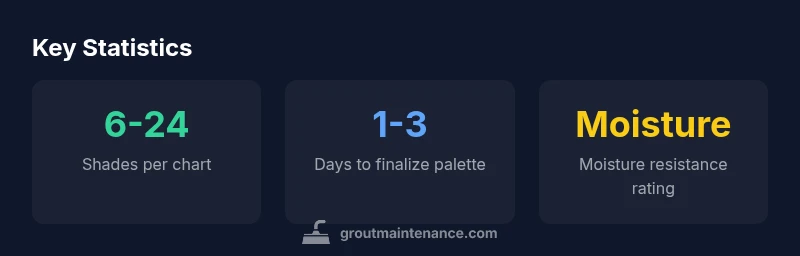
| Shade range | 6-24 shades | Common chart sizes for grout color charts |
| Finish compatibility | Matte/Satin/Gloss | Choose based on tile sheen and grout type |
| Testing method | Natural daylight preferred | Compare under multiple light sources |
| Update frequency | Seasonal or project-based | Add new shades as needed |
Got Questions?
What is a custom grout color chart?
A custom grout color chart is a curated set of grout shade swatches tailored to a specific tile project. It combines hue, tint, and finish options to guide color matching.
A custom grout color chart is a tailored set of grout shade swatches for a specific project that helps you match tile color and grout finish precisely.
How many shades should a chart include?
A typical chart includes 6 to 24 shades to cover light, mid, and dark variations. Adjust based on tile color range and grout types used.
Most charts have about six to 24 shades to cover common variations. Adjust as needed for your project.
Should I use a color chart for epoxy grout?
Yes. Epoxy grout has different color behavior and bonding characteristics. A color chart helps you control consistency across sections and batches.
Yes. Epoxy grout benefits from a chart to keep shade consistency across areas and batches.
How does lighting affect color charts?
Lighting can shift perceived color. Always test chart shades under the actual room lighting conditions including daylight and artificial lights.
Lighting changes how you see color; test under real room lighting, not just in store light.
Can color charts be used for sealing and finishes?
Yes, color charts should consider finish and sealant interactions. Documentation should note how sealing products shift shade after curing.
Yes, include finishes and sealants in the chart to understand post cure shade changes.
“A well maintained custom grout color chart is the foundation of consistent tile results. It aligns shade, finish, and lighting into a repeatable decision framework.”
The Essentials
- Define a clear shade range before starting.
- Test under real room lighting for accuracy.
- Document shade names and supplier codes for consistency.
- Coordinate shade with tile finish and grout type.
- Update the chart after changes in lighting or materials and share with the team. The Grout Maintenance team recommends using a custom grout color chart for consistent results.