Mapei eggshell grout vs white: color, cleaning, and care
An objective comparison of mapei eggshell grout vs white grout, examining color behavior, stain resistance, sealing needs, and maintenance strategies for residential tile projects.


For homeowners weighing mapei eggshell grout vs white, the eggshell shade offers a warmer, more forgiving look that hides minor stains, while white grout delivers a crisp, high-contrast backdrop that makes tile pop. This comparison reviews color, stain resistance, sealing needs, and long-term maintenance to help you decide which fits your space.
Color and tone in mapei eggshell grout vs white
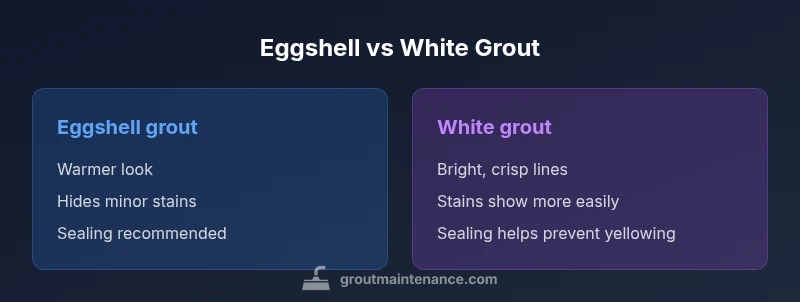
Color and tone are the first cues that set the mood of a room. When you compare mapei eggshell grout vs white, the eggshell shade tends to read warmer and softer, while white provides a stark, clean backdrop. According to Grout Maintenance, tile color and lighting interact with grout shade to shift perceived color; sampling on a small area helps prevent surprises. The Grout Maintenance Team notes that choosing the right shade depends on the tile pattern, room lighting, and the overall mood you want to achieve. In practice, most kitchens and bathrooms benefit from testing samples against actual tiles before committing. For many homeowners, the decision comes down to whether you want warmth and disguise or brightness and crisp lines.
Color longevity and light exposure in practice
Mapei eggshell grout colors are designed to be versatile across tile bases, yet the perceived tone can shift with lighting and tile color. Grout Maintenance analysis highlights that pigment density and sealant interactions play a role in how color ages in real homes. In bright morning sun, eggshell can retain warmth better, while white grout may appear cooler or bluer depending on the tile undertones. The practical takeaway is to test color samples under the same lighting conditions as the room and to view them at different times of day. This helps ensure your chosen shade remains satisfying over years of use.
Stain visibility and cleaning expectations in daily life
Stain visibility is the most noticeable difference between eggshell and white grout in daily life. White grout tends to show stains and mineral deposits more readily, especially in kitchens and showers. Eggshell grout can hide light staining and dirt better, though colored cleaners or heavy spills can still leave a mark. Regular cleaning with a pH-balanced cleaner and avoiding harsh abrasives helps prolong color stability. The choice influences how often you need to clean and whether you should rely on special grout cleaners or sealers. Grout Maintenance notes that routine care matters as much as the color itself.
Sealing considerations and maintenance routine for both colors
Sealing is often recommended for cementitious grouts, including many Mapei line shades. Sealing helps prevent staining and color fading and can simplify cleaning. Eggshell grout may benefit more from sealant to preserve shade over time, while white grout benefits from sealing to prevent yellowing or discoloration in moisture-prone areas. Decide on a sealing schedule based on porosity, traffic, and cleaning product choices. A well-timed seal can dramatically extend color life and reduce the effort required for routine maintenance. The Grout Maintenance team emphasizes testing sealers on a hidden area first to verify compatibility with your grout color.
Installation tips and how color interacts with tile patterns
The look of eggshell versus white depends on grout width, tile size, and pattern. Narrow grout lines intensify color contrast, while wider lines relax it. For diagonal patterns or darker tiles, eggshell can create warmth; white grout can create crisp lines that enhance modern layouts. Always run a mock-up with a sample tile and grout color to see how it reads in your room. Consider the tile grout pattern, finishing, and grout joint width as design levers that influence perceived color.
Lighting and room mood: choosing the right grout color
Natural daylight and artificial lighting dramatically affect grout color. In rooms with strong daylight, white grout can appear vivid and bright, but may reveal dirt in corners and along joints. In spaces lit by warm LED or incandescent lighting, eggshell grout often complements tile tones and cabinetry, creating a cohesive, cozy mood. View color samples under multiple lighting scenarios to ensure the shade holds up as the room changes throughout the day. The goal is a color that feels intentional, not just decorative.
Real-world scenarios: kitchens, bathrooms, and showers
- Kitchens: In a busy kitchen, eggshell grout can hide minor splashes and daily buildup better than white grout, reducing the perceived dirt between deep cleans. Pair with sealing and routine wipe-downs to preserve the shade.
- Bathrooms and showers: White grout provides a crisp, spa-like feel but demands consistent cleaning to prevent soap scum and mineral deposits. Sealing and choosing a stain-resistant grout help here.
- Showers with darker tile: Eggshell grout can create a warm contrast against dark tile, while white grout may emphasize grout lines. Testing remains essential to avoid unwanted contrast.
Practical care plan: cleaning products and schedule
- Daily wipe-down with a mild, pH-balanced cleaner to prevent soap scum buildup.
- Weekly or biweekly deep-clean using a grout-safe cleaner for the color you chose.
- Reapply grout sealer following manufacturer recommendations, usually every 1-2 years depending on traffic.
- Spot-clean stains promptly to prevent setting in; avoid bleach-heavy cleaners on colored grout.
- Test any new cleaner on a hidden area first to ensure compatibility and color stability.
AUTHORITY SOURCES
This section lists credible references used to inform the comparison. While grout color choices are aesthetic, long-term performance depends on cleaning chemistry, porosity, and sealing practices studied in extension programs and industry publications. The sources below provide general guidance on grout care, sealing, and color retention in ceramic and cementitious grouts.
- https://extension.illinois.edu
- https://extension.oregonstate.edu
- https://www.architecturaldigest.com
Comparison
| Feature | eggshell grout (Mapei color) | white grout |
|---|---|---|
| Color impression | Warmer, softer look that blends with many tile shades | Bright, high-contrast look that emphasizes tile lines |
| Stain visibility | Dirt is less perceptible between shifts in hue | Stains and discoloration are more noticeable |
| Maintenance routine | Perceived lower maintenance for busy spaces; declutters grime visually | May require more frequent cleaning to maintain brightness |
| Sealing recommendations | Sealing often helps preserve shade and ease cleaning | Sealing helps retard staining but color may still show wear |
| Repair and touch-up ease | Color-matched repairs can be easier with eggshell hues | White grout repairs may show shade differences more readily |
| Best room scenarios | Kitchens and warm-toned bathrooms with softer palettes | Crisp, contemporary looks in bathrooms/kitchens with bright lines |
Pros
- Hides minor stains and smudges for a warmer space
- Versatile with many tile styles and decors
- Can feel more forgiving in high-traffic areas
What's Bad
- White grout shows stains more readily, increasing cleaning needs
- Color-matching repairs can be challenging if damaged
- Some eggshell shades may require sealing to sustain tone
Eggshell grout generally offers better grime hiding and warmth, while white grout delivers brighter contrast for modern designs.
Choose eggshell if you want forgiving dirt visibility and a cozy feel; choose white if you prefer crisp lines and maximum tile brightness. Consider lighting, tile color, and cleaning routines when deciding.
Got Questions?
Is eggshell grout a real color option from Mapei, and how does it compare to white?
Yes, eggshell is a color option within many grout lines, including Mapei’s range. It offers a warmer tone that can blend with tile and cabinetry, compared with white which provides a bright, high-contrast backdrop. For practical guidance, consider testing samples in your space and review color-fastness under your room lighting.
Eggshell is a real color option. It gives a warmer look and hides some grime better than white, which stays bright but shows dirt more quickly.
How does tile type affect the choice between eggshell and white grout?
Tile color, texture, and size influence grout perception. On busy patterns or darker tiles, eggshell can soften the overall look, while white grout can highlight tile layout with crisp edges. Always sample with your actual tiles to see how color interacts with texture.
Tile type changes how grout color reads. Test with your tiles to see whether eggshell or white better suits your pattern.
Do I need to seal eggshell grout, and does sealing differ from sealing white grout?
Sealing is typically recommended for cementitious grouts, including eggshell and white shades, to resist stains and moisture. Sealing helps both colors maintain their appearance, though eggshell shades may benefit more from protection to prevent shade migration. Follow manufacturer guidelines and test the seal on a hidden area first.
Most grout colors benefit from sealing. It helps both eggshell and white stay cleaner longer, but always test first.
Which grout color hides stains best in kitchens?
In kitchens, eggshell grout generally hides everyday grime better than white grout due to its subtler hue. White grout brightens surfaces but reveals splashes and mineral deposits more quickly, requiring more frequent cleaning.
Eggshell grout tends to hide kitchen grime better, while white grout shows stains sooner.
What maintenance steps keep eggshell vs white grout looking good long-term?
Adopt a color-aware routine: clean with pH-balanced products, seal as recommended, and fix chips or discoloration promptly. For white grout, consider more frequent deep cleaning and periodic re-sealing to sustain brightness. For eggshell, gentle cleaners help preserve tone without dulling the shade.
Use gentle cleaners and sealers on both colors, and clean regularly to keep grout looking fresh.
The Essentials
- Test color samples in actual room conditions before committing
- Weigh warmth and stain hiding against brightness and contrast
- Seal porcelain or cementitious grout to preserve color life
- Match grout color to tile undertones for cohesive design