How to Stop Grout Going Moldy: A Practical Guide
Learn proven steps to prevent grout mold in showers, baths, and kitchens. This practical guide covers moisture control, cleaning, sealing, and maintenance to keep grout fresh and microbial-free.


Goal: Stop grout going mouldy by controlling moisture, improving ventilation, and applying a timely grout sealant. This guide lays out a practical routine, regular cleaning, moisture management, and periodic resealing, that prevents mold growth in showers, tub surrounds, and kitchens. Follow the steps for durable grout and sparkling tiles, backed by Grout Maintenance expertise.
Why grout goes mouldy
Grout is porous and sits between tiles where moisture tends to accumulate. Over time, standing water, humidity, and soap scum create a hospitable environment for mold and mildew. In bathrooms and kitchens, poor ventilation traps moisture, allowing fungi to take hold in the tiny pores of cement-based grout. According to Grout Maintenance, moisture retention and insufficient airflow are the primary drivers of mold on grout, especially in showers and tub surrounds. The longer moisture stays, the deeper the mold can embed itself, making surface cleaning less effective and potentially leading to staining or discolored grout. Understanding these basics helps homeowners prioritize quick wins like drying surfaces after use and improving air flow.
If you ignore early signs, you risk a cycle of recurring mold that requires more intensive cleaning or even regrouting. Small cracks can trap water and become moldy reservoirs; large gaps invite more water intrusion. The key is to address moisture sources and establish a routine that makes mold less likely to reappear. Grout Maintenance emphasizes that prevention is far easier and cheaper than remediation, so start with the environment around your tiled areas.
Moisture control as the first line of defense
Controlling humidity and moisture is the fastest path to preventing grout mold. Ventilation is essential: turn on exhaust fans during showers, open windows when possible, and use a dehumidifier in damp rooms. Drying towels after use and wiping down surfaces helps reduce overnight moisture buildup. For tile installations without built-in ventilation, a small portable fan directed at the shower can substantially cut condensation. Grout Maintenance notes that consistent moisture management yields the biggest long-term payoff, reducing the frequency of deep cleanings and the need for harsh chemical cleaners. Keeping humidity below the typical indoor guidance minimizes mold growth opportunities and protects your grout from rapid deterioration. Regularly inspect for leaks or plumbing drips, even small ones, as they can silently increase moisture behind tiles.
A practical habit is to establish a quick daily wipe-down routine: after showers or baths, use a microfiber cloth to remove standing water from grout lines and tiles. This simple step makes mold less likely to take hold and reduces the time required for later cleaning.
Cleaning methods that kill grout mold
When mold appears on grout, clean promptly with mold-killing cleaners that are safe for cementitious grout. A mold-safe cleaner or a hydrogen peroxide-based solution can be effective; avoid harsh acids on colored grout, and always follow label directions. For tough, embedded mold, a baking soda paste can help lift stains without weakening the grout. Mechanical action matters: use a stiff nylon brush or an old toothbrush to scrub grout lines firmly but without damaging the grout joints. Rinse thoroughly and dry completely to prevent new mold growth. Grout Maintenance recommends using gloves and eye protection during cleaning to avoid skin or eye irritation from cleaners. If you opt for chlorine bleach, ensure proper ventilation and avoid mixing with ammonia or other cleaners to prevent harmful fumes. After cleaning, inspect grout for any cracks or loose joints that might harbor future mold and address them promptly.
Sealing grout to prevent future mold
Sealing grout creates a barrier that slows water absorption and the growth of mold. Choose a penetrating sealer for cementitious grout or a polymer-modified sealer for high-traffic areas like showers. Apply sealant only after grout has fully cured following cleaning, following the product’s directions. Reapply as recommended by the manufacturer, typically every 1–2 years, and sooner in damp or high-use areas. Sealing does not replace regular cleaning or moisture control, but it makes future mold more difficult to establish. Grout Maintenance highlights that sealing is a key preventive step when combined with good ventilation and regular cleaning.
Careful application is important: wipe off excess sealer to avoid film buildup, which can trap dirt and moisture in the grout pores. Keep pets and kids away during curing time as solvents can have strong odors, and ensure good ventilation during application. If sealant discoloration or residue appears, re-clean and re-seal after the grout fully dries.
When to regrout instead of sealing
If grout is heavily cracked, crumbling, or mold has penetrated deep into the substrate, sealing may not be enough. Regrouting involves removing old grout and applying fresh grout, which provides a clean, moisture-resistant surface and can dramatically improve mold resistance. This is especially important in areas with consistent water exposure, such as showers and tub surrounds. Before regrouting, assess tile integrity and ensure substrate is dry to prevent mold from lingering beneath the new grout. While DIY regrouting is possible, larger areas or extensive damage may require a professional; a proper job prevents resealing failures and future mold growth. Grout Maintenance recommends evaluating grout condition at least annually and addressing problems early to avoid bigger repairs later.
A simple maintenance schedule you can follow
Create a basic, repeatable plan to keep grout mold-free: weekly quick clean of grout lines, monthly deep clean with a mold-safe cleaner, seasonal check for leaks, and semi-annual resealing or regrouting as needed. This proactive routine reduces the chance of mold taking hold and makes maintenance predictable. Document any changes to moisture levels, such as after a bathroom renovation or new appliances, so you can adjust cleaning frequency accordingly. Grout Maintenance encourages homeowners to tailor the plan to their space, seasonality, and occupancy patterns to sustain grout health over time.
Troubleshooting common mold issues
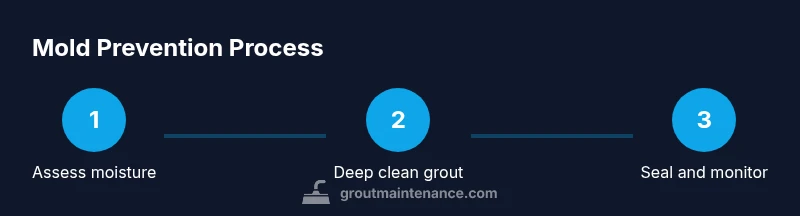
If mold recurs despite cleaning and sealing, identify hidden moisture sources like hidden leaks, poor ventilation behind cabinetry, or condensation in poorly insulated walls. Check grout lines for hairline cracks where water can seep, and repair or replace damaged grout. Ensure that fans and dehumidifiers operate effectively, and consider upgrading to a higher-quality grout sealer or epoxy grout in shower areas for higher resistance to water exposure. Persistent mold may indicate structural moisture problems that require a professional assessment. Grout Maintenance recommends a systematic approach: fix moisture first, clean thoroughly, seal, and monitor. With consistent care, grout mold becomes an infrequent visitor rather than a recurring problem.
Tools & Materials
- Sponge and microfiber cloths(For wiping and dusting surfaces after cleaning.)
- Bucket of warm water(For diluting cleaners and rinsing grout lines.)
- stiff nylon brush / old toothbrush(For scrubbing grout lines without damaging joints.)
- Mold-safe cleaner or hydrogen peroxide(Choose a product suitable for grout; avoid vinegar on colored grout.)
- Baking soda(Makes a paste for stubborn stains without harsh chemicals.)
- Chlorine bleach (diluted) or equivalent mold cleaner(Use with ventilation; avoid mixing with ammonia.)
- Grout sealant (penetrating or polymer-modified)(Select based on grout type and area use.)
- Protective gloves and eyewear(Safety first when handling cleaners.)
- Mask/respirator(Important for chemical cleaners and fumes.)
- Drop cloth or old towels(Protect surfaces during sealing.)
- Sealant applicator/brush(For even, clean seal application.)
- Dehumidifier or fan(Helps maintain low humidity when drying.)
- Caulk knife or grout removal tool(Needed if regrouting is required.)
Steps
Estimated time: 1 hour 30 minutes
- 1
Assess moisture sources and improve ventilation
Identify where moisture accumulates (showers, sinks, windows). Turn on exhaust fans during use and keep windows open when possible. Fix leaks promptly to reduce constant moisture in the grout joints.
Tip: Prioritize rooms with the highest humidity and address any plumbing leaks within 24–48 hours. - 2
Dry surfaces after use and remove standing water
Wipe down tiles and grout lines with a microfiber cloth after showers or spills. Remove damp towels or bath mats to air out the area and reduce overnight moisture buildup.
Tip: Keep a small squeegee handy near the shower for quick daily rinsing. - 3
Deep-clean existing grout to remove mold
Apply a mold-safe cleaner or hydrogen peroxide to grout lines. Scrub with a nylon brush, focusing on discolored areas. Rinse thoroughly and repeat if needed.
Tip: Do not mix cleaners; always rinse between products to prevent chemical reactions. - 4
Rinse and dry thoroughly after cleaning
Rinse the area with clean water and dry completely with a microfiber cloth. Mold thrives on residual moisture, so thorough drying is essential.
Tip: Use a fan or dehumidifier to speed up drying, especially in bathrooms. - 5
Apply grout sealant after curing
Wait for grout to dry per product directions before applying sealant. Use a sealant appropriate for your grout type and area. Apply evenly and wipe away excess to prevent film buildup.
Tip: Avoid applying sealant to wet grout or in high humidity environments. - 6
Monitor humidity and air flow
Keep indoor relative humidity below about 50–60% using fans, air conditioning, or dehumidifiers. A well-ventilated space discourages mold growth and supports long-term seal performance.
Tip: A hygrometer can help you track humidity levels more accurately. - 7
Inspect grout annually for wear
Check for cracks, gaps, and loose grout that can harbor moisture. Repair damaged areas promptly to prevent mold infiltration under tiles.
Tip: Repairing small cracks early saves more extensive replacement later. - 8
Plan resealing or regrouting as needed
Sealed grout loses effectiveness over time; reseal when sealant no longer beads water or the grout looks dull. Regrouting should be considered for heavily worn or mold-penetrated joints.
Tip: Document when you last sealed to keep maintenance on track.
Got Questions?
Can I use vinegar to clean mold from grout?
Vinegar is often gentler than bleach, but it may not be effective on all mold types and can affect some grout colors. For best results, use a mold-safe cleaner or hydrogen peroxide and test on a small area first.
Vinegar can work for mild cases, but for stubborn mold on grout, use a dedicated grout cleaner or hydrogen peroxide and test first.
How often should I reseal grout?
resealing needs vary by product and use. In damp areas, reseal every 6–12 months; in drier areas, every 1–2 years. Always follow the sealer manufacturer's guidelines.
Most grout sealers last between 6 months and 2 years depending on use and ventilation; check the product directions for the best schedule.
Is mold on grout dangerous?
Mold exposure can cause irritation for some people, particularly those with allergies or asthma. Prompt cleaning and moisture control reduce health risks. If you have persistent symptoms, consult a professional.
Mold can irritate sensitive people, so keep areas clean and ventilated and seek help if symptoms persist.
What if mold returns after sealing?
If mold returns after sealing, re-evaluate moisture sources, consider deeper cleaning, and possibly regrout. Sealing can slow mold, but ongoing moisture control is essential.
If it comes back, fix moisture first, then re-clean and re-seal or regrout as needed.
Can I regrout myself or should I hire a pro?
Small areas can be regrouted as a DIY project with careful prep. Large areas or complex layouts may require a professional to ensure a clean, durable result.
You can regrout smaller areas yourself; for big jobs, consider a pro for best results.
What’s the simplest first step to stop grout mold?
Start with improved ventilation and a thorough drying routine after every cleaning. Then follow with a mold-safe cleaner and a sealant after grout dries.
Begin by better ventilation and drying, then clean with a mold-safe product and seal after drying.
Is epoxy grout more mold-resistant than cementitious grout?
Epoxy grout tends to be more resistant to staining and moisture than cementitious grout, making it a good option in wet areas. However, installation can be more challenging and may require professional help.
Epoxy grout resists moisture better but can be harder to install; consider it for high-moisture zones.
What’s the best way to maintain grout in a shower?
Maintain with regular cleaning, ensure good ventilation, wipe down after use, and seal grout periodically. Inspect for cracks and address them promptly to prevent mold growth.
Clean often, ventilate well, dry after use, and seal once in a while to keep shower grout mold-free.
Watch Video
The Essentials
- Keep moisture low with ventilation and drying habits
- Clean mold promptly with approved cleaners and thorough rinsing
- Seal grout to reduce water absorption and mold risk
- Regrout damaged joints when necessary
- Establish a simple, repeatable maintenance schedule