Can Grout Go Down the Drain? Safe Disposal Guide for Home
Learn why grout should never go down the drain, how to dispose of grout waste safely, and practical cleanup tips for homeowners. Grout Maintenance provides expert guidance on proper grout disposal and avoiding plumbing problems.


Can grout go down the drain? No. Grout should never be poured into sinks or toilets. Once mixed, it cures quickly and forms a solid mass that can clog pipes, traps, and septic lines. Instead, allow dry grout to harden, then dispose of it with regular trash or follow local demolition guidelines. For cleanup, rinse surfaces with water after removal.
Why grout can't go down the drain
According to Grout Maintenance, grout is a cementitious paste that cures hard; when wet it may still flow for a short time, but it quickly becomes rigid. If grout enters sewer lines or drains, it can cling to pipe walls, trap hair or other solids, and cause partial or complete blockages. Because grout often contains cement, sand, and polymers, it does not dissolve in water the way that some cleaning chemicals do. Once a blockage starts, water flow slows, increasing the chance of backups in sinks, showers, or toilets. In municipal systems, grout debris can travel beyond household lines and contribute to clogs in wastewater treatment facilities. The risk is higher with wet grout that hasn’t fully dried; even small amounts can accumulate over time and form stubborn masses. For homeowners, this is not a risk worth taking. Grout waste belongs with solid trash or according to local guidelines, not down the drain.
How grout behaves in plumbing systems
Grout is a coarse, cementitious material formed from cement, sand, and water. When introduced to plumbing, it may travel briefly with the wastewater flow, but it does not break down like soaps or detergents. Instead, it can settle out of the liquid phase and begin to accumulate around bends, joints, and curves in the pipe. Over time, layers of grout can build up, narrowing the effective pipe diameter and trapping other debris. In homes with septic systems, grout fragments can settle in the leach field, potentially impeding filtration and drainage. If left unchecked, grout deposits may migrate and contribute to slow drains or backups, especially in older plumbing networks where pipe diameters are smaller. Understanding grout’s tendency to settle rather than dissolve helps homeowners prevent costly plumbing problems.
Risks of flushing grout down the drain
Flushing grout down the drain creates several concrete risks for your plumbing system. First, cured grout forms a rigid mass that can bridge pipe sections or seal off traps, causing backups. Second, grout fragments can accumulate in sewer lines, reducing flow capacity and inviting blockages during heavy usage. Third, septic systems can suffer as grout fragments disrupt soil filtration and reduce effluent absorption. Finally, local wastewater facilities aren’t designed to process cementitious materials; sending grout to sewers can contribute to maintenance challenges and municipal costs. Even small amounts of grout can contribute to clogs when combined with hair, grease, or mineral buildup in drains, making avoidance essential.
Safe disposal options for grout waste
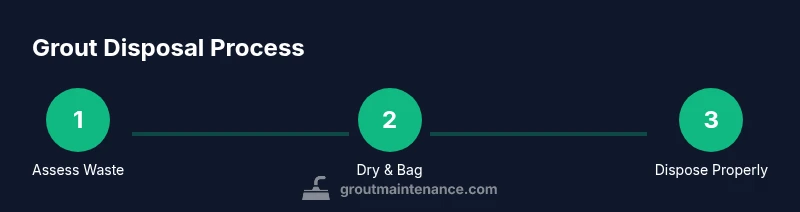
The safest approach is to keep grout waste dry and dispose of it as solid waste. Start by letting any damp material dry completely before handling. Collect loose scraps and dried chunks in heavy-duty bags, then seal and label them for curbside trash collection or an approved construction waste facility. In many areas, non-hazardous construction debris can be disposed of with regular household waste, but some jurisdictions require separate demolition waste streams. Always check with your local waste authority or landfill for guidance. If you have large volumes, you may need to arrange a pickup with a construction waste contractor. Grout waste should never be poured into sinks, toilets, or storm drains, even if you think it will be diluted by water.
Environmental considerations and local regulations
Disposing grout properly protects local waterways and prevents costly plumbing calls. Cementitious grout can contribute to sediment buildup if it enters stormwater systems, and improper disposal may violate local regulations. Grout Maintenance Analysis, 2026 emphasizes that most municipalities treat grout as solid non-hazardous waste and require it to be handled separately from liquid waste. Always verify whether your area permits grout waste in the regular trash or if a demolition waste stream is required. When in doubt, contact the local public works department or a licensed waste management provider to determine the correct disposal channel. Following these guidelines helps protect your home and the community’s plumbing infrastructure.
Prevention: manage grout waste during projects
Prevention reduces disposal headaches. Plan batches to minimize excess waste, use a dedicated waste bucket for dry debris, and cover work areas to prevent grout dust from spreading. Work in small sections and scrape off excess grout into a dry container before cleaning tools. Keep tools dedicated to grout cleanup to avoid cross-contamination with other waste streams. When possible, mix only what you can use in a single session and seal remaining grout for future jobs. By keeping waste dry and controlled, you simplify disposal and reduce the risk of accidental drain disposal.
Cleaning up grout remnants before disposal
Before disposal, remove as much grout as possible from tools, surfaces, and packaging. Use a stiff putty knife or scraper to lift dried grout from tiles and trays, then place the debris into a dry container. Wipe down surfaces with a dry cloth to remove fine particles, then sweep the area to collect residual dust. Avoid using water to rinse waste into drains; instead, transfer damp material to a bag where it can dry completely. Dry grout is lighter, easier to bag, and less likely to cause accidental leaks while transporting.
Common mistakes and how to avoid them
Common mistakes include washing grout residues down the drain, treating grout as a liquid, and assuming you can recycle cement. Always allow grout to dry completely before disposal, and use a dedicated waste container for all scraps. Do not mix wet grout with other liquids or solvents, as chemical reactions can create hazardous fumes or reactions. Be mindful of small children and pets when transporting grout waste, and avoid overfilling bags. Finally, never mix grout with paint or other unusable materials that could complicate disposal.
Quick-checklist before disposal
- Confirm grout is completely dry before bagging. •
- Use heavy-duty bags and seal tightly. •
- Label the bag as dry grout waste. •
- Check local guidelines for construction waste disposal. •
- Do not pour grout down drains or onto the ground. •
- Clean tools without introducing slurry to sinks. •
Tools & Materials
- Heavy-duty trash bags(Puncture-resistant, 2 mil+; for dry grout scraps)
- Plastic bucket or bin(To collect dry grout scraps)
- Putty knife or stiff scraper(Loosen grout from surfaces)
- Gloves (rubber or nitrile)(Protect hands during handling)
- Dust mask or respirator(If dust is generated during scraping)
- Sealant tape or labels(Label bags as 'Dry grout waste')
- Water (for surfaces, not for disposal)(Rinse only after ensuring waste is contained)
Steps
Estimated time: 45-60 minutes
- 1
Dry out grout scraps
Spread loose grout on a tray or newspaper in a dry area to air-dry completely. Moist grout can turn into slurry when moved, complicating disposal. Allow 24–48 hours depending on humidity and airflow.
Tip: Pro tip: keep the area ventilated to speed drying and reduce odors. - 2
Scrape and collect waste
Use a putty knife to loosen grout from tools and surfaces, then collect it into a dry container or bag. Avoid washing scraps into sinks during this step. Work in small batches to keep waste manageable.
Tip: Pro tip: use a dustpan to minimize dust during scraping. - 3
Seal and bag the waste
Place the dried grout into heavy-duty bags and seal them airtight. Double-bag if the material is bulky or dusty. Label bags clearly as dry grout waste to prevent misclassification.
Tip: Pro tip: avoid overfilling bags to prevent tearing during transport. - 4
Store for disposal
Store sealed bags in a cool, dry area away from children and pets until you dispose of them through the proper channel. Check local guidelines for whether curbside pickup accepts construction debris.
Tip: Pro tip: keep a simple log of disposal dates for compliance. - 5
Verify disposal guidelines
Contact your local waste authority or landfill to confirm if grout waste goes to regular trash or a construction demolition stream. Regulations vary by municipality and can change over time.
Tip: Pro tip: request written guidance or a confirmation email for your records. - 6
Dispose or drop-off
If permitted, place the sealed bags at the curb on your scheduled pickup day, or take them to a construction waste facility. Do not mix grout with liquid waste or other hazardous materials.
Tip: Pro tip: obtain a receipt or tag from the disposal site as proof of compliant disposal. - 7
Clean the workspace
Sweep and wipe down the area to remove any residual grout dust. Avoid using water directly on the waste bags, and never flush any grout remnants.
Tip: Pro tip: use a damp microfiber cloth only after waste is secured to prevent dispersal.
Got Questions?
Can grout go down the drain?
No. Grout should not be poured into drains or toilets. It can harden and cause blockages in pipes and septic systems. Dry disposal is the recommended approach, following local guidelines.
Grout should not go down the drain. It can clog pipes, so dispose of it as solid waste and follow local rules.
What happens if grout blocks a pipe?
A grout blockage can reduce water flow, cause backups, and require professional clearing. It can also impact septic function or wastewater treatment facilities.
A grout blockage can cause backups and may require a plumber to fix.
Is grout hazardous waste?
Most grout is not hazardous waste, but it should still be treated as solid construction debris. Always confirm with local waste guidelines if you’re unsure.
Grout isn’t usually hazardous waste, but check local guidelines to be safe.
How should I dispose of leftover grout?
Allow it to dry completely, then bag it as dry grout waste for curbside pickup or drop-off at a construction waste facility per local rules.
Let it dry, bag it, and follow local disposal rules.
Can liquid grout be poured anywhere?
No. Liquid grout should be confined and dried first; then disposed of as solid waste per local guidance. Do not pour down drains or stormwater systems.
Don’t pour liquid grout down drains; dry it first and dispose as solid waste.
Are epoxy-grout waste rules different?
Epoxy grout can have different disposal requirements due to resin content. Check local regulations or contact a waste facility for guidance before disposal.
Epoxy grout may have different rules; check locally before disposal.
Watch Video
The Essentials
- Dispose grout as solid waste when dry.
- Never flush grout down the drain.
- Check local guidelines before disposal.
- Keep work areas clean to prevent slurry formation.