Troubleshooting a Grouting Issue: Urgent DIY Guide
A practical, urgent guide to diagnose and fix common grouting issues. Learn signs, causes, and step-by-step repairs to protect tile surfaces and prevent moisture damage.


Most grouting issues stem from water intrusion, seal failure, or aging grout. The quickest fix is to diagnose the symptom and tackle the root cause with practical steps: dry the area, clean thoroughly, reseal, or replace damaged sections. If mold or cracking persists, consider regrouting to restore a durable seal and prevent future leaks.
What is a grouting issue and why it matters
A grouting issue covers a broad range of problems in tiled surfaces, from cosmetic discoloration to structural failures that allow water to move behind tiles. According to Grout Maintenance, these problems are most often triggered by moisture exposure, sealant breakdown, or aging grout that has lost its bonding. Left unaddressed, water intrusion can lead to mold growth, efflorescence, and tile instability, which in turn increases maintenance costs and damages substrate substrates. The good news is that most issues are fixable with a methodical plan. Start by identifying the specific symptom (for example, dark staining or cracking) and then address root causes such as improper sealing, poor cleaning practices, or using an incompatible grout formulation. In 2026, the Grout Maintenance Team stresses that prevention is easier than repair: seal properly, clean regularly with tile-safe products, and use grout that matches the tile environment (shower, kitchen, or exterior).
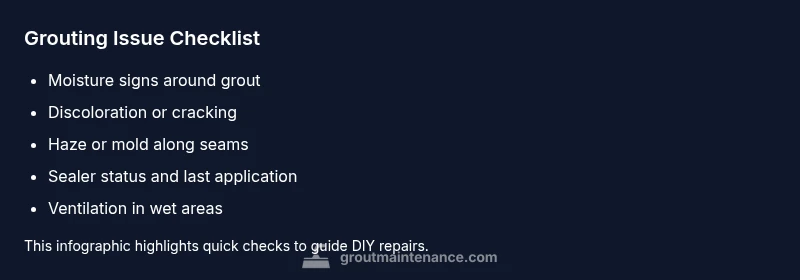
Quick Diagnostic Checklist
- Signs: Cracks, gaps, discoloration, or powdery grout indicate degradation.
- Surface feel: Rough texture, soft edges, or crumbling joints show wear.
- Water behavior: Persistent dampness, darkened grout after a shower, or water seepage behind tiles signal moisture intrusion.
- Mold indicators: Musty odor or black/green mold growth along grout lines.
- Sealer status: If you don’t remember when you sealed last or used an incompatible sealer, that’s a red flag.
- Cleaning history: Harsh cleaners, bleach, or acidic products can erode grout seals and cause hazing.
Common Causes and How They Lead to a Grouting Issue
The most frequent culprits include water intrusion from leaks or cracked grout, improper sealing, and aging grout that has lost adhesion. Sealer failure or applying an incompatible sealer allows moisture to penetrate and creates a hospitable environment for mold and efflorescence. Aging grout can lose its bond as cementitious components dry and crumble; poor mixing or improper trowel pressure during installation can leave gaps that trap moisture. In high-humidity spaces like showers, these factors compound quickly. A disciplined approach to diagnosis—checking moisture paths, sealer history, and grout age—helps prevent escalation.
Step-By-Step Repair for the Most Common Issue
Begin with safety and preparation: turn off nearby water sources if feasible, wear eye protection, gloves, and a dust mask, and lay down plastic to catch debris. Dry the area completely to halt ongoing moisture. Use a grout saw or a carbide tool to remove damaged grout carefully, taking care not to scratch tile edges. Vacuum the joints and wipe with a damp cloth to remove debris. Mix fresh grout to the manufacturer’s specifications and press it firmly into joints with a rubber float. After the grout has initial set, wipe away excess with a damp sponge and let it cure as directed (usually 24–72 hours). Finally, apply a compatible grout sealer after curing, and recheck for any pin holes or missed spots. Regular maintenance after cure includes light cleaning and resealing every two years or as recommended.
Maintenance and Prevention to Avoid Future Grouting Issues
- Seal new grout promptly with a high-quality, tile-safe sealer designed for the grout type (sand or unsanded). Re-seal every 6–24 months depending on wear and moisture exposure.
- Clean grout with pH-neutral cleaners and avoid harsh acids or bleach that can break down the sealer.
- Ensure proper ventilation in moisture-prone rooms; use exhaust fans during showers and after cleaning to reduce humidity.
- Inspect grout annually for hairline cracks and promptly repair to prevent bigger issues; replace sections with color-matched grout to maintain aesthetics.
- Consider epoxy grout in high-wear areas for superior stain resistance and durability, though it requires trained application.
Note: Always follow the manufacturer’s instructions for curing times and sealing windows.
When to Call a Professional
If you discover significant cracking across large areas, persistent moisture behind tiles, or repeated mold growth after DIY fixes, it’s time to bring in a pro. A licensed tile contractor can diagnose hidden leaks, evaluate substrate damage, and regrout with products designed for bathrooms and kitchens. The Grout Maintenance Team recommends seeking pro help for showers, tub surrounds, or exterior tiling where water management is critical.
Advanced Troubleshooting: Beyond the Basics
Some grouting issues require more detailed analysis: moisture testing, substrate inspection, and specialized products. Use a moisture meter to check behind grout; inspect for tile movement; verify that waterproofing membranes are intact. If water appears on the backside of backing boards, or you notice efflorescence after sealing, escalate to professional help.
Steps
Estimated time: 2-6 hours
- 1
Assess safety and prep
Turn off nearby water sources if possible, remove nearby items, and protect surfaces with plastic. Wear eye protection, gloves, and a dust mask. This prevents injuries and minimizes dust during removal.
Tip: Keep a clean work area to avoid chipping or scattering debris. - 2
Dry the area and inspect damage
Blow-dry or air-dry the area to stop moisture. Inspect grout joints for depth, width, and signs of hollow sounds when tapped to gauge structural integrity.
Tip: If you detect hidden moisture, pause and address leaks first. - 3
Remove damaged grout
Use a grout removal tool to carefully excavate only the compromised joints. Avoid prolonged tool contact with tile edges to prevent chipping.
Tip: Work in small sections to maintain control. - 4
Apply new grout or sealant
Mix grout per manufacturer directions and press into joints with a rubber float, ensuring full depth. Wipe excess with a damp sponge and let set.
Tip: Match grout color to tile for a seamless look. - 5
Cure, seal, and test
Allow grout to cure fully. Apply a sealer if recommended and test by splashing water to confirm the seal is effective.
Tip: Avoid heavy use until curing is complete.
Diagnosis: Visible grout issues in tiled area (cracks, discoloration, or mold)
Possible Causes
- highWater intrusion from leaks or cracked grout
- highSealer failure or using an incompatible sealer
- mediumAging grout or improper mix during installation
- mediumMold growth due to persistent moisture
- lowHarsh cleaning products causing hazing or erosion
Fixes
- hardChisel out damaged grout and replace with fresh grout; ensure joints are clean and dry before sealing
- easyApply a compatible grout sealer after curing to prevent moisture ingress
- mediumRepair any source of moisture behind the wall (leaks, plumbing) before regrouting
- easyDeep-clean to remove surface mold/haze and recheck joints after cleaning
Got Questions?
What are the most common signs of a grouting issue?
Typical signs include discoloration, cracks, hazy grout, and occasional mold along grout lines. These indicators suggest moisture exposure or sealer failure.
Common signs include cracking, discoloration, haziness, and mold along grout lines.
Can I fix grout issues myself, or should I hire a professional?
DIY is feasible for minor cracks or surface haze. Large-scale leaks, extensive cracking, or recurrent mold warrant a professional assessment to protect waterproofing.
DIY works for small fixes, but big problems need a pro to protect waterproofing.
Is epoxy grout better than cement grout for showers?
Epoxy grout offers greater stain and moisture resistance and is easier to clean, but it requires skilled installation and proper tooling.
Epoxy grout lasts longer and resists stains, but it’s tougher to install correctly.
How long should grout sealer last?
Sealer durability depends on product quality and moisture exposure. Reapply as recommended by the manufacturer to maintain protection.
Sealers wear down with use; follow product guidelines for reapplication.
What should I do if mold returns after resealing?
Reassess moisture sources, ensure proper ventilation, and consider a full regrout if mold persists after resealing.
If mold returns, check for hidden moisture and revisit sealing and grout choice.
Should I regrout over old grout?
If old grout is loose or cracked, regrouting is recommended. If it’s intact, cleaning and resealing may suffice.
Regrouting is best when the old grout is failing; otherwise, you can clean and seal.
Watch Video
The Essentials
- Diagnose moisture sources early and address root causes
- Choose the right repair path: reseal vs regrout or both
- Allow proper curing time before testing the repair
- Prevent future issues with regular sealing and gentle cleaning