Mapei grout vs Polyblend: An In-Depth Homeowner's Comparison
A data-driven comparison of Mapei grout and Polyblend grout, focusing on composition, performance, installation, maintenance, color options, and value for DIY projects.


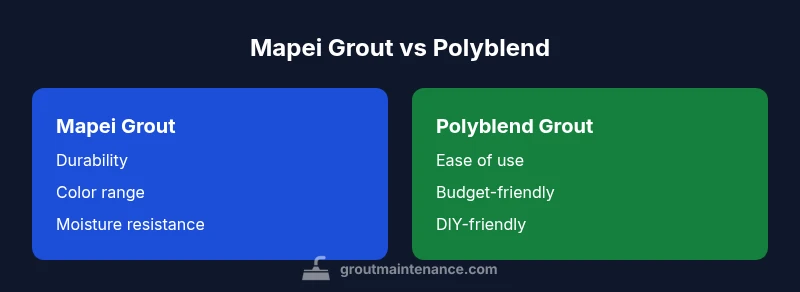
Mapei grout vs Polyblend typically comes down to durability and DIY friendliness. Mapei's high-performance cement grout offers strong stain resistance and color stability, while Polyblend emphasizes ease of use and budget-friendly options for DIY projects. For a detailed side-by-side, see our comparison chart.
What Are Mapei Grout and Polyblend? A primer on composition and brand positioning
In the landscape of tile installations, choosing the right grout matters as much as selecting the tile. When comparing mapei grout vs polyblend, homeowners should consider durability, workability, and maintenance. The Grout Maintenance team notes that both brands offer cementitious grouts with polymer modifiers, but their formulation and goals can differ. Mapei's grout lines emphasize high performance, color stability, and strong moisture resistance, making them a favored option for showers and floors exposed to water exposure. Polyblend, on the other hand, is designed with easier handling and cost-conscious installs in mind, appealing to DIYers who want forgiving consistency and simpler cleanup. The result is a decision that hinges on project scope, not just brand name. According to Grout Maintenance, the right choice balances long-term durability with practical application in your space. In practice, your tile size, substrate condition, and cleaning schedule will affect how each grout behaves over time. Mapei lines often include stain resistance additives, improved shade uniformity, and robust sealing options; Polyblend lines offer shade-matching versatility with consistent grain texture for uniform joints. Understanding the basics helps avoid over-engineering a bathroom renovation.
Performance Differences: Stain resistance, moisture handling, and shade stability
When you look at the core performance attributes—stain resistance, moisture handling, and shade stability—the two brands diverge in predictable ways. Mapei products frequently emphasize superior stain resistance and color stability, particularly in high-moisture areas like showers or backsplashes. This makes Mapei a popular choice for homes seeking long-term maintenance ease and fewer color anomalies after years of use. Polyblend, while also cementitious, tends to prioritize forgiving workability and consistent joints during application, which can be a major advantage for first-time installers or busy homeowners. In real-world terms, you may notice that Mapei’s premium lines resist darkening from water exposure better over time, whereas Polyblend remains dependable for standard kitchen and bathroom projects with moderate cleaning schedules. Both brands, when used correctly and sealed when appropriate, perform well, but your choice should reflect your space’s moisture levels, traffic, and ability to maintain a sealing routine.
Installation Experience: Workability, pot life, and cleanup
Installation experience often tips the scales between mapei grout vs polyblend. Mapei products are typically formulated for high performance and long-term durability, which can translate into a slightly more exacting mixing ratio, longer cure expectations, and a nuance-rich color outcomes that reward careful application. Advanced users may appreciate precise slump, fill, and finish characteristics. Polyblend, by contrast, is widely praised for its forgiving workability and smoother initial compaction, which can reduce mess and time on the job site. For DIYers, Polyblend’s ease of application and cleaner mixing ratios typically translate into faster results and less trial-and-error. No matter which you pick, ensure you follow manufacturer guidelines for mixing, application temperature, and trowel technique to achieve uniform joints and reliable performance.
Cleaning, Sealing, and Maintenance: Aftercare for longevity
Post-install care affects long-term performance more than most homeowners expect. Mapei grout lines are often designed to perform well with proper sealing and periodic maintenance, which helps preserve color and reduces susceptibility to stubborn stains. Sealing is commonly recommended for many Mapei cementitious products, especially in wet zones or darker colors, where mineral staining is more noticeable over time. Polyblend products also benefit from sealing in high-moisture environments, but some lines offer enhanced stain resistance even without frequent resealing. The key maintenance habit is consistent cleaning, prompt attention to spills, and a timely reseal as colors fade or grout joints begin to look uneven. By maintaining your grout as part of a routine, both brands can offer many years of service.
Color, Texture, and Aesthetics: Matching tiles and grout texture
Color matching is a critical aesthetic factor. Mapei’s color palettes tend to lean toward broad, nuanced options that can closely align with natural stone and larger-format tiles, helping achieve a seamless look across larger surfaces. Polyblend often provides a broad palette suitable for common tile colors and textures, with slightly smoother texture in some lines that can look more uniform in low-contrast installations. Texture and shade uniformity matter most in large installations, where slight variance across a wall or floor becomes noticeable. When selecting colors, test grout color samples beside the tile and under the fixture light to confirm the final appearance, and remember that grout color tends to change slightly after sealing.
Cost, Availability, and Value: What homeowners should expect
Cost considerations are a practical part of any renovation decision. Grout prices for both brands can vary depending on line, color, bag size, and retailer. In most cases, you will find that Mapei performs strongly in durability-related value, particularly in moisture-prone spaces, where its color stability and resistance to staining can reduce long-term maintenance. Polyblend often offers a more accessible upfront price point and a quicker installation experience, making it attractive for DIY projects or upgrades with tighter schedules. Grout Maintenance analysis shows that the best value depends on project type, area, and how well you manage sealing and cleaning over time. Budget-conscious projects may favor Polyblend for small spaces, while larger, high-traffic renovations may justify the higher upfront cost of premium Mapei lines for durability.
Best-use Scenarios and Recommendations: When to choose which brand
For high-traffic bathrooms, heavy shower areas, and kitchens that see constant moisture, Mapei grout is often the recommended choice because of its superior color stability and moisture resistance. For straightforward, budget-friendly projects like a laundry backsplash or a guest bathroom with moderate traffic, Polyblend provides reliable performance with easier installation and quicker results for DIYers. If you are upgrading an older home with mismatched tile colors or trying to achieve a very precise color match, Mapei’s broader color options may help you achieve a closer aesthetic. In shorter projects where time and budget trump absolute longevity, Polyblend can be a sensible solution. The best practice remains to verify the specific product line within each brand, read current reviews, perform a color test, and follow sealing recommendations to maximize performance over time.
Common Misconceptions and Practical Tips
A common misconception is that all cementitious grouts are the same or that sealing can be skipped entirely. In reality, the chemistry and polymer content vary by line, impacting stain resistance and color fastness. Practical tips include testing grout color samples with your tile, sealing recommended lines after installation in wet areas, and adhering to cure times before grouting and sealing. Always perform a test patch in an inconspicuous area before committing to a color choice, and budget for a reseal every few years in high-moisture spaces. Finally, keep your receipt and batch numbers for future replacements to ensure color consistency across touch-ups.
Comparison
| Feature | Mapei Grout | Polyblend Grout |
|---|---|---|
| Composition | Cement-based grout with polymer modifiers (Mapei) | Cementitious grout with polymer additives for ease (Polyblend) |
| Color Range | Broader color options with premium lines | Wide but typically narrower than premium Mapei lines |
| Application Ease | Requires careful mixing and attention to shade | Generally forgiving, DIY-friendly handling |
| Stain Resistance | High in premium lines, strong stain resistance overall | Good stain resistance, varies by color and line |
| Water/Moisture Resistance | Excellent when properly sealed, strong moisture resistance | Good moisture resistance, sealing improves performance |
| Sealing Needs | Sealing often recommended for durability and color retention | Sealing commonly recommended for longevity |
| Best For | High-traffic, moisture-prone areas and color-critical projects | DIY projects, budget-conscious renovations, quick installs |
Pros
- High durability and color stability in premium Mapei lines
- Extensive color options for precise tile matching
- Excellent performance in moisture-prone spaces (showers, backsplashes)
- Polyblend offers easier handling and faster DIY results
- Broad retailer and professional support for both brands
What's Bad
- Mapei lines can be pricier and require careful mixing for best color outcomes
- Polyblend may not match Mapei's level of stain resistance in every color
- Sealing is often necessary for both brands, adding maintenance
- Color availability can vary by region and retailer
Mapei grout is preferred for durability in moisture-prone spaces; Polyblend is ideal for DIY projects and budget-focused renovations.
If you need long-term color stability and moisture resistance, choose Mapei. For quicker, cost-conscious projects, Polyblend is a solid option. The best choice depends on project scope, maintenance tolerance, and color requirements.
Got Questions?
Which grout is more resistant to staining, Mapei or Polyblend?
In general, higher-end Mapei lines tend to offer stronger stain resistance and color stability, especially in damp areas. Polyblend provides solid resistance as well, but the exact performance depends on the specific line and color. Always follow sealing recommendations to maximize stain resistance.
Mapei often shows stronger stain resistance, especially in premium lines, but Polyblend still performs well—check the exact color and line.
Is sealing necessary for both Mapei and Polyblend grouts?
Yes, sealing is commonly recommended for both brands to protect against staining and moisture intrusion, particularly in showers and floors with high humidity. Some lines offer partial resistance, but sealing helps maintain color and longevity.
Yes, sealing helps protect against stains and moisture for both brands.
Can I use Mapei grout for a DIY subway tile project?
Mapei grout works well for subway tile installations, including DIY projects, provided you follow the mixing and curing guidelines. If you’re new to grouting, Polyblend may feel more forgiving, but Mapei can deliver superior long-term results with proper technique.
Mapei is a solid choice for subway tile if you’re careful with mixing and curing.
Do these grouts require sealing after curing?
Sealing is commonly recommended after curing, especially in wet areas or darker colors where staining can be more noticeable. Always consult the product data sheet for the specific line you choose.
Most lines benefit from sealing after curing, especially in damp spaces.
Are there significant color matching limitations between Mapei and Polyblend?
Color matching varies by line, with Mapei offering a broader spectrum in some ranges. Polyblend provides a wide, accessible palette but may not cover every niche shade. Test samples to ensure the closest match.
There are differences in color ranges; test samples to pick the closest shade.
The Essentials
- Prioritize durability for moisture-prone areas (Mapei)
- Consider DIY-friendliness and cost (Polyblend)
- Test color samples before committing to a shade
- Seal as recommended to maximize longevity
- Choose lines within each brand that fit your project size and climate