80lb Grout: Bulk Grout Guide for Tile Projects
Learn how to choose, mix, apply, cure, seal, and store 80lb grout for large tiling jobs. Practical, data-informed guidance for homeowners and DIYers from Grout Maintenance.


80lb grout is a bulk-packaged grout typically used for large tiling jobs. It requires proper mixing with clean water, following manufacturer ratios, and adequate storage to maintain performance. This guide covers what to look for in 80lb grout, how to mix, apply, cure, and seal for durable results.
Understanding 80lb Grout: What It Is and When to Use It
80lb grout is a bulk-packaged cementitious or epoxy-based grout designed for larger tile installations. The weight indicates the typical bag size you’ll encounter from major manufacturers, often chosen for projects that cover multiple square meters. For DIY homeowners tackling a full bathroom remodel or a kitchen backsplash, a bulk 80lb bag can reduce the number of cartons you need to manage, improving efficiency and reducing packaging waste. According to Grout Maintenance, bulk grout offers cost efficiency per pound when you factor in handling time, storage space, and fewer bag changes during the mix phase. When deciding between cementitious and epoxy grout in 80lb form, consider site conditions, color longevity, and expected foot traffic. Cementitious grout remains the workhorse for most residential tiling tasks, while epoxy variants provide stain resistance in wet or high-traffic areas. Always check the product label for mix ratios, pot life, curing times, and sealing recommendations. In general, plan for a consistent mixing method, measured water-to-grout ratios, and a clean, dry storage environment to maintain performance from the bag to the finished joints.
How to Choose the Right 80lb Grout for Your Project
Choosing the right 80lb grout starts with understanding your tile installation and environment. Cementitious grout is usually the best fit for dry areas and standard residential tiling, while epoxy grout offers superior stain resistance in showers or backsplashes. Look for a bag that clearly lists the batch number, shelf life, and the recommended mixing ratio on the label. Color consistency is another critical factor; order a sample if possible to verify shade match across bags. For outdoor or moisture-prone areas, select a grout rated for humidity and temperature fluctuations. Grout Maintenance recommends verifying the product’s cure time and sealant recommendations before beginning work, as these factors influence overall performance and maintenance needs.
Mixing and Prep: From Bag to Workable Mortar
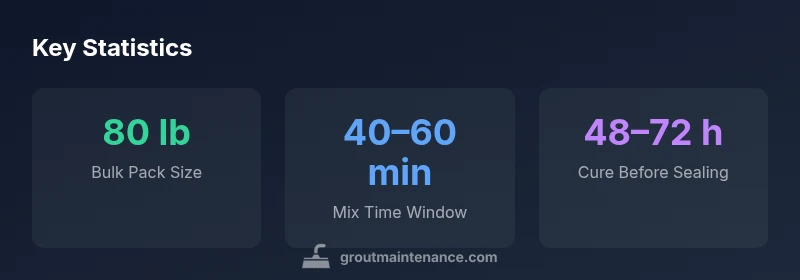
Begin with a clean, dry workspace and a clean mixing container. Inspect the 80lb bag for any sign of moisture or clumping. Use a mechanical mixer for uniform results and add water gradually according to the label’s instructions. Do not over-wet the mix, and mix for the manufacturer’s recommended time to achieve a homogeneous consistency. If you’re using cementitious grout, size up the batch only as much as you can apply within the pot-life window, typically under an hour. Epoxy grout will require a different mixing protocol and should be mixed in batches to avoid heat buildup. Keep tools clean and consider using a grout float to apply the product smoothly into joints. Grout Maintenance emphasizes taking steps to prevent air pockets and ensure even joint depth for a uniform finish.
Application Techniques for Large Areas
Apply grout in diagonal strokes to force material into joints and minimize air pockets. For 80lb bags covering large areas, work in manageable panels to avoid skinning or drying lines. Use a damp sponge to clean excess grout from tile faces after about 15–20 minutes of initial set, then wipe again after curing begins for a pristine finish. In high-traffic zones or wet environments, rise early and seal after the grout has fully cured according to the label, usually 24–72 hours. Maintain consistent joint width and ensure adjacent joints align seamlessly for a professional look. Grout Maintenance cautions against overworking grout, which can weaken joints and create a hazy appearance.
Curing, Sealing, and Maintenance
Curing times vary by product and climate. Most cementitious grouts reach initial strength within 24–48 hours but may require longer before sealing. Epoxy grouts typically require less sealing, but follow the manufacturer’s guidance for surface finishing. After the grout cures, cleaning and sealing (if applicable) help protect color and stains. For glossy tiles or darker grout colors, sealers can brighten color and improve wipe-off resistance. Always test a small area first to verify compatibility with your tile and sealer choice. Grout Maintenance suggests inspecting joints periodically and reapplying sealer as needed to maintain stain resistance and color uniformity.
Storage, Handling, and Waste Reduction
Store unopened bags in a dry, temperature-controlled corner away from direct sunlight. Keep bags stacked neatly and off the floor to prevent moisture exposure. Use all of the grout within the manufacturer’s recommended shelf life; do not mix older batches with newer ones as this can cause color variation. To minimize waste, calculate the needed amount based on tile size, grout width, and coverage per bag. When possible, consolidate leftover grout into a sealed container to prevent drying and clumping. Proper storage extends the life of 80lb grout and reduces material waste on the job.
Common Pitfalls with 80lb Grout and How to Avoid Them
Avoid mixing grout with water that is too cold or hot, as extreme temperatures can affect curing and strength. Don’t rush the sealing step or seal too early, which can trap moisture and haziness. Keep your work area well-ventilated and wear a mask if dust is present during mixing. For large jobs, plan panels to avoid color variations across different bags or batches. Grout Maintenance notes that maintaining consistent temperature and humidity during mixing and curing is essential for color uniformity and performance.
Cost Considerations and Value of Bulk Purchases
Bulk grout offers cost advantages on a per-pound basis compared with smaller bags, especially for sizable tiling projects. However, consider storage space, transport, and the risk of waste if the project scope changes. If you anticipate mid-project changes or smaller future projects, weigh the long-term savings against potential unused material. The final decision should account for total cost of ownership, including time, storage, and disposal considerations.
Bulk grout options by weight and typical use
| Grout Type | Bulk Pack Weight | Typical Use |
|---|---|---|
| Cementitious grout (traditional) | 80 lb | Large-area tiling and renovations |
| Epoxy grout | 20–40 lb | Smaller projects or high-durability needs |
Got Questions?
What is 80lb grout best used for?
80lb grout is best suited for large tiling projects where a bulk bag reduces handling and packaging waste. Cementitious options cover most residential installations, while epoxy variants excel in damp areas requiring stain resistance. Always match the grout type to the project conditions and tile material.
For large tiling projects, 80lb grout is ideal, especially cementitious options. Pick epoxy only when you need extra stain resistance in damp areas.
Can I store an opened 80lb grout bag?
Opened grout bags should be resealed promptly and stored in a dry, cool place to minimize moisture exposure and clumping. If moisture contamination is suspected, discard the bag to avoid unusable material.
If a bag is opened, seal it tightly and store it in a dry spot to prevent moisture damage. If in doubt, don’t use it later.
How long does 80lb grout take to cure before sealing?
Curing times depend on the grout type and environmental conditions. Most cementitious grouts are ready for sealing after 48–72 hours, while epoxy grouts may require shorter curing or no sealing at all. Always follow the product label for accurate timing.
Let the grout cure fully—usually a couple of days—before sealing, then follow the label for the exact timing.
Is there a bulk option for epoxy grout in 80lb form?
Bulk epoxy grout exists, but it’s less common and usually more expensive per bag than cementitious options. Check with suppliers for available weights and mixing requirements, and be prepared for a longer cure and different sealing needs.
Yes, you can find epoxy in bulk, but it tends to cost more and needs careful handling. Check your supplier’s guidelines.
How should I store 80lb grout long-term to prevent waste?
Store in a dry, cool place away from humidity. Keep the bag sealed and off the floor. If you’re unlikely to use the entire bag, consider inventorying batches and rotating stock to minimize waste.
Keep it dry and sealed, and use a rotation plan to avoid waste.
“With bulk grout like 80lb bags, consistent mixing and proper curing are essential to long-term performance. Plan your layout, measure quantities carefully, and seal after cure to maintain color and stain resistance.”
The Essentials
- Evaluate bag weight to match project scale.
- Follow manufacturer mix ratios for best results.
- Plan sealing after full cure for durability.
- Store unopened bags in a dry, cool place.
- Estimate grout quantity to minimize waste.