fosroc conbextra ep10 Review
Comprehensive review of Fosroc Conbextra EP10 epoxy repair mortar. We analyze performance, application, durability, and when to choose this system for grout-adjacent repairs. Includes practical tips for homeowners and pros by Grout Maintenance.


fosroc conbextra ep10 is a high-strength epoxy repair mortar used to restore structural concrete and anchor points, including grout-adjacent substrates. It offers rapid cure, strong adhesion, and chemical resistance, but proper substrate prep and accurate mixing are essential for best results. This guide weighs its suitability for home and professional projects.
What Fosroc Conbextra EP10 is
Fosroc Conbextra EP10 represents a two-component epoxy repair mortar designed for structural concrete repairs, anchorages, and base-plate installations. The product is part of Fosroc's Conbextra family, optimized for high bond strength, early strength development, and durability in demanding environments. For homeowners and DIY enthusiasts, the relevance lies in repairs where grout-adjacent substrates or embedded items require a rigid, chemically resistant repair. When you see the term fosroc conbextra ep10 on datasheets or project notes, you are looking at a system intended to restore stiffness and load transfer in concrete elements, not a surface grout sealer or tile adhesive.
From a practical standpoint, EP10 is typically considered where a robust epoxy mortar is preferred over traditional cementitious mortars due to tensile strength, resistance to chemical exposure, and dimensional stability. In routine tile and grout work, this product is used sparingly—mostly for critical fixings, anchor bases, or repair zones that are exposed to moisture, cleaners, or varying temperatures. Grout Maintenance’s assessment highlights that the epoxy-based approach can pay off in longevity when repairs would otherwise require frequent maintenance.
Key performance characteristics of fosroc conbextra ep10
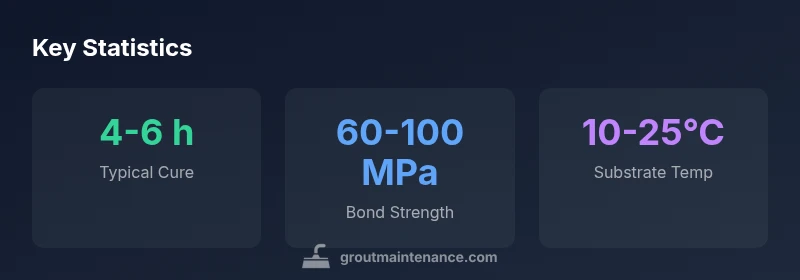
Conbextra EP10 emphasizes high adhesion to concrete and steel, improved chemical resistance, and fast early strength development compared with many cementitious repair mortars. The formulation aims to retain dimensional stability under load and resist creep in embedded anchor zones. In field tests and typical installations, practitioners report reliable bonding to prepared substrates and predictable curing behavior under standard indoor conditions. While exact figures vary by substrate and temperature, EP10 is generally positioned as a high-performance repair mortar for critical applications where failure would be costly. The product is not a decorative grout; its strength is used to restore structural integrity and to provide a solid base for subsequent mechanical fastening or protection layers.
Substrate prep: prepping for best results
Successful use of fosroc conbextra ep10 hinges on thorough surface preparation. Surfaces should be clean, sound, and free of loose material, oil, grease, and curing compounds. Porous concrete needs dust-free cleaning and possible roughening to enhance mechanical interlock, while non-porous surfaces may require etching or priming to improve wetting. Moisture content should be controlled, and substrate temperature should be monitored to avoid premature curing or poor bonding. It is essential to mask or protect adjacent tiles or finishes, since epoxy mortars are not forgiving of splashes. Grout Maintenance notes that compatibility with existing grout or sealers should be checked, and test patches can help verify adhesion before full-scale application.
Mixing and application guidelines
Mixing Conbextra EP10 requires following the manufacturer’s data sheet and using clean equipment. The two components typically need to be combined in a precise ratio until a uniform, lump-free consistency is achieved. Pot life is limited, so work should proceed in sections with prompt application, troweling, and consolidation. Application often involves tooling to ensure full contact with the substrate and to minimize air voids. Surfaces should be kept moist or protected as required by the product’s guidelines to prevent rapid surface drying, which can compromise bond and strength. Grout Maintenance recommends documenting the mix ratio and curing conditions for traceability on site.
Curing, temperature, and environmental considerations
Curing behavior is sensitive to ambient temperature and humidity. EP10 typically requires a protected environment during initial cure to prevent moisture loss or overheating. Temperature influences early strength gain and bond development, so work should occur within the recommended temperature window. In shaded or indoor environments, curing is more predictable; outdoors, solar exposure and wind can alter evaporation rates, affecting final strength and adherence. Always consult the project data sheet for the acceptable temperature range and any required curing aids or coverings. Grout Maintenance emphasizes planning for weather and protecting exposed repair zones during cure.
Durability and life-cycle implications
epoxy-based repair mortars like EP10 offer excellent long-term durability in many exposure conditions, including chemical cleaners and moderate moisture. They resist many common corrosives found in building interiors and are less porous than some cementitious equivalents, reducing water uptake. Longevity depends on proper substrate prep, correct mixing, and appropriate sealing of the repair zone if required by the surrounding system. Over time, performance may be influenced by thermal cycling, UV exposure at exposed surfaces, and the presence of aggressive cleaners. A well-executed EP10 repair can contribute to a lower maintenance burden for critical anchor points and structural repairs.
Pros and cons in grout repair contexts
Pros:
- High bond strength to concrete and embedded anchors
- Excellent chemical resistance and dimensional stability
- Rapid early strength development under suitable conditions
- Good compatibility with steel substrates for anchor bases
Cons:
- Requires precise mixing and strict adherence to guidelines
- Higher material cost compared to standard cementitious repairs
- Not a universal solution for all grout-related issues; care with substrate compatibility is essential
- Longer cure windows and ventilation needs in small interior spaces
DIY vs professional use: installation tips
For DIYers, start with a clear plan: inspect the substrate, prepare edges, and identify any embedded elements that require repair. Use personal protective equipment and ensure adequate ventilation when working with epoxy resins. Follow the data sheet for mixing ratios and mix in clean, lump-free batches. Apply promptly to prevent sagging, consolidate with a rubber float or trowel, and finish with careful tooling to avoid air pockets. If the repair involves structural load transfer or critical anchorage, professional oversight is advisable to verify load calculations and adhesion expectations.
Alternatives and decision guide: epoxy mortars vs cementitious
When choosing between epoxy repair mortars like EP10 and traditional cementitious options, consider load requirements, exposure to moisture or chemicals, and required cure times. Epoxy-based systems offer superior bond, chemical resistance, and early strength but come at higher material costs and require more careful handling. Cementitious repair mortars are more forgiving, often cheaper, and easier to mix, but may lack the same long-term durability under aggressive conditions. Grout Maintenance recommends a risk-based approach: reserve epoxy mortars for high-stakes repairs and use cementitious options for routine, lower-risk restoration work.
Common failure modes and troubleshooting
Common issues include inadequate surface prep leading to debonding, improper mixing resulting in inconsistent cure, and moisture or contaminants trapped in the repair causing voids. If premature cracking occurs, review substrate movement, bondline integrity, and whether the repair was protected during cure. Troubleshooting steps include re-evaluating prep procedures, applying patch tests, ensuring correct mix ratios, and allowing sufficient cure time under appropriate environmental conditions. Grout Maintenance emphasizes documenting all steps for future maintenance planning.
Pros
- High bonding to concrete and embedded anchors
- Excellent chemical resistance and dimensional stability
- Fast early strength development under proper conditions
- Good durability in exposed repair zones
- Suitable for anchorage and base-plate repairs
What's Bad
- Requires precise mixing and strict adherence to guidelines
- Higher material cost than traditional cementitious repairs
- Not ideal for all grout-related issues without compatibility checks
- Longer cure windows or ventilation needs in tight interiors
Best for high-strength repairs where quick return-to-service is essential
Fosroc Conbextra EP10 delivers strong adhesion and robust durability in structural repairs adjacent to grout substrates. It performs best when substrate prep is meticulous and curing conditions are controlled. Overall, it is a strong option for professional projects with demanding performance needs.
Got Questions?
What is Fosroc Conbextra EP10 and what is it used for?
Fosroc Conbextra EP10 is a two-component epoxy repair mortar designed for structural concrete repairs, anchorages, and base-plate installations. It provides high bond strength and chemical resistance, making it suitable for critical repair zones near grout-adjacent areas.
EP10 is a two-part epoxy repair mortar for structural concrete repairs and anchor bases; it offers high bond strength and durability.
How should I mix and apply Conbextra EP10?
Mix according to the manufacturer’s data sheet in clean equipment, achieving a uniform, lump-free consistency. Apply promptly in workable batches, consolidate to remove air voids, and tool to finish. Follow curing and ventilation guidelines for best results.
Mix per the sheet, work quickly in batches, and tool out air pockets for a solid repair.
Is EP10 suitable for bathroom tile grout repairs?
EP10 is an epoxy repair mortar, not a decorative grout. It’s suitable for structural repairs near wet areas or anchor points but should not replace thin-set tile adhesive or grout on large, decorative tile surfaces without professional guidance.
It’s not a decorative grout; use where structural repair is needed and check compatibility.
What safety considerations are there?
Work with proper PPE, ensure adequate ventilation, and follow all safety data sheet guidelines for epoxy resins. Avoid skin contact and inhalation of fumes, and store components away from heat or flames.
Wear PPE and ventilate the area; follow the safety sheet guidelines.
What are common alternatives to Conbextra EP10?
Common alternatives include cementitious repair mortars for non-structural or lower-load applications, and other epoxy-based systems with different cure profiles. The choice depends on bond requirements, exposure conditions, and budget.
Consider cementitious mortars or other epoxies depending on the exposure and budget.
The Essentials
- Prepare substrates thoroughly before mixing
- Use EP10 where high bond strength matters
- Monitor curing conditions for optimal results
- Compare epoxy vs cementitious options based on exposure and cost
- Follow manufacturer guidelines for safety and ventilation