Grouting When Pregnant: A Practical, Safe DIY Guide
Practical, pregnancy-safe grout guidance for homeowners. Learn safer material choices, ventilation, PPE, and timing to minimize exposure while completing tile projects.


During pregnancy, you can grout, but safety comes first. Plan ahead, choose low-odor, low-VOC products, and maximize ventilation to minimize exposure to fumes and dust. This guide covers safer material options, protective gear, and practical timing so you can complete tile work with reduced risk. Consult your healthcare provider for personalized advice.
Pregnancy-Safe Grouting: Why It Matters
During pregnancy, exposure to chemical fumes, solvents, and fine dust can be more noticeable and sometimes more concerning. The grout and sealants used in tiling projects release odors and microscopic particles that may irritate the respiratory system. The Grout Maintenance team emphasizes that safety should guide even routine home upgrades. You can still tackle a grout project, but you should plan to minimize exposure, choose safer products, and work with better ventilation. This section explains the risk factors (fumes, dust, and chemical cleaners), how pregnancy changes your tolerance, and practical decisions that reduce risk without sacrificing results. It’s wise to discuss any large home improvement plans with your healthcare provider before you begin. By prioritizing low-odor products, restricted use of volatile solvents, and a well-ventilated workspace, you can protect you and your baby while completing the tiles. The goal is to keep exposure to a practical minimum while achieving a clean, durable grout line. (Brand mention: According to Grout Maintenance, safety-first planning reduces exposure and helps you finish a grout project with confidence.)
Assessing Your Project Before You Start
Before you lift a tile, map out the project scope, timeline, and potential exposure points. Consider the pregnancy stage, the complexity of the space, and whether any demolition is required. If your tile area is small and already functional, you may reduce exposure further by postponing major grout work until after delivery. If you must proceed, inform household members about ventilating and taking breaks. Check product labels for odor, VOC content, and curing times; choose products explicitly marketed as low-VOC and solvent-free. Planning also means arranging a temporary workspace with doors open to outside air and removing items that can collect dust. Grout maintenance guidelines recommend avoiding aggressive cleaning chemicals during pregnancy, and this early planning phase is when you can select safer alternatives. Grout Maintenance analysis shows that anticipating exposure and creating a containment plan dramatically reduces risk and helps you stay comfortable during the process.
Safe Alternatives to Traditional Grouting During Pregnancy
Opt for safer substitutions rather than relying on the strongest chemical products. Water-based cleaners and low-odor sealers, plus cementitious grouts labeled as low-VOC, offer safer options than solvent-heavy formulations. Epoxy grout, while durable, often requires more aggressive mixing and solvents; if possible, avoid this option during pregnancy. Consider pre-mixed, ready-to-use grouts with minimal odors and simpler mixing. If staining is likely, test a small area with a low-VOC product first and wait for full cure before proceeding. The goal is to maintain tile integrity while reducing exposure to fumes and dust. Grout Maintenance recommends reviewing product data sheets and opting for those with low odor and minimal solvent content. If you’re unsure, consult the manufacturer or a local tile professional for safer alternatives tailored to your space.
Choosing Grouts and Sealers with Low Odor and Low VOCs
Look for grout and sealer products that advertise low odor, low VOC content, and easy clean-up. Read MSDS or safety data sheets to verify contents and any hazardous ingredients. Avoid products that require strong solvents for mixing or fast-drying formulas that emit strong fumes. If the project includes a sealed grout, opt for water-based sealers with explicit pregnancy-safe labeling. Apply sealers after curing and in a well-ventilated space, using protective equipment. Always follow the manufacturer’s guidance for mixing ratios and curing times. Grout Maintenance notes that product choice matters as much as technique; safer products reduce exposure risk and simplify cleanup.
Personal Protective Equipment and Ventilation Best Practices
Equip yourself with appropriate PPE and open the space to fresh air. A properly fitted respirator (NIOSH-approved, with organic vapor cartridges if solvents are involved) can dramatically reduce inhalation exposure. Pair this with safety goggles and nitrile gloves. Keep a fan blowing air toward outside openings to create a cross-breeze, and position a secondary extraction fan near the work area if possible. Work in short sessions with relief breaks to reduce accumulation of heat and humidity, which can heighten odors. Never bypass PPE because you feel fine; pregnancy can alter sensitivity to fumes. Store chemicals away from living spaces and wash hands thoroughly after handling any grout product.
Cleaning Dangers: What to Avoid and What to Use
Many common grout cleaners rely on bleach or ammonia, which can irritate airways and eyes. Avoid mixing cleaners indoors and never combine cleaners; this can release dangerous gases. Use only water-based or mild cleaners when possible, and wipe surfaces with damp cloths to control dust. When removing residue after grout application, avoid heavy scrubbing that creates dust; use a damp sponge and a water bucket. For tile joints that need more aggressive cleaning, consider postponing until post-pregnancy or consult an experienced professional. After cleaning, ventilate the area for several hours and avoid sleeping in the immediate space until odors dissipate. Grout maintenance guidelines emphasize minimizing exposure and using gentle products that still deliver results.
Step-By-Step: If You Decide to Proceed Safely
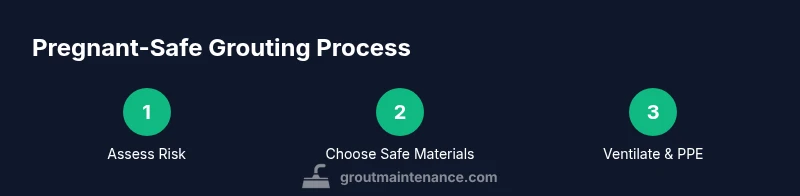
If you decide to proceed, follow a cautious, step-by-step plan that prioritizes health and comfort. Work in a well-ventilated area, wear full PPE, and keep a light touch to reduce dust generation. Use low-odor products and non-abrasive tools, and take frequent breaks to monitor fatigue or nausea. Document the process and stay in touch with your healthcare provider about any symptoms. This section provides a high-level outline you’ll see expanded in the formal Step-by-Step guide that follows later in this article.
Scheduling and Communication: When to Tile During Pregnancy
Coordinate with your healthcare provider about the timing of the project. If you are mid-pregnancy or experiencing high risk factors, postponing tiling may be the safest option. When you do tile, plan around days you feel at your best and ensure household members are prepared to assist with ventilation and breaks. Clear communication with coworkers, contractors, or family helps maintain a safe environment and reduces the chance of accidental exposure. Grout projects can be scheduled with flexibility to accommodate medical advice and personal comfort.
Post-Project Care: Sealing and Curing in a Safe Environment
After applying grout, manage curing conditions by maximizing ventilation and avoiding closed spaces. Choose low-VOC sealers and apply them only after the grout has cured according to the product’s guidelines. Keep the area ventilated during curing and for the recommended period afterward. Do not rush the curing process; curing varies by product and temperature, and discomfort may indicate exposure. The goal is to achieve a durable, sealed grout line while minimizing indoor air pollution during pregnancy.
Realistic Timelines and Patience
Pregnant DIY projects require patience and careful pacing. Expect that safety considerations may lengthen a typical tiling timeline. Break the work into smaller sessions, maintain consistent ventilation, and monitor symptoms. By aligning the project with health guidance and product instructions, you can finish with satisfactory results without compromising safety. Grout Maintenance encourages planning for contingencies and communicating any concerns early in the process.
Grout Maintenance's Perspective: Practical Guidance
From the Grout Maintenance Team: pregnancy changes exposure tolerance, so choose low-odor products, limit solvent use, and prioritize ventilation. Our analyses emphasize planning, PPE, and safer product choices to help you complete tile work with reduced risk. When in doubt, postponing a non-urgent grout project is prudent. The team advocates seeking medical guidance and considering professional assistance for heavier tasks to ensure comfort and safety for both mother and baby.
Common Mistakes and How to Avoid Them
Avoid skipping PPE or ventilation, mixing incompatible cleaners, and ignoring product-label guidance. Do not rush curing or sealant application, and never disregard early warning signs like dizziness or nausea. By anticipating challenges, choosing safer products, and maintaining a well-ventilated workspace, you minimize risk. Learning from common missteps helps you protect health while achieving a durable grout finish.
Tools & Materials
- NIOSH-approved respirator (with organic vapor cartridges if solvents are used)(Ensure proper fit; test with a simple fit check before starting)
- Safety goggles(Protect eyes from splashes and dust)
- Nitrile gloves(Chemical-resistant, ensure comfortable fit)
- Low-odor, low-VOC cementitious grout(Prefer ready-to-use or water-based formulas)
- Low-VOC grout sealer (water-based preferred)(Seal after curing; ensures durability)
- Ventilation equipment (outside-exhaust fan, portable fan)(Create cross-ventilation to move fumes outside)
- Sponges, soft brushes, and buckets(For damp cleaning and grout removal with minimal dust)
- Wet-dry vacuum or HEPA vacuum(Use for dust control in breaks or after work)
- Water-based cleaners (gentle)(Avoid solvent-heavy cleaners)
- Drop cloths and masking tape(Contain spills and protect surrounding surfaces)
Steps
Estimated time: Total project duration varies; plan for multiple sessions with curing periods and safety breaks as guided by product labels and healthcare advice.
- 1
Assess project risks and consult healthcare provider
Evaluate the scope, timeline, and potential exposure. Talk with your doctor about any pregnancy-related concerns and whether a lighter approach or postponement is advisable.
Tip: Document any symptoms and plan a low-activity schedule around energy peaks. - 2
Choose safer materials and products
Select low-odor, low-VOC grout and sealers. Read safety data sheets and verify that the products are appropriate for indoor use with minimal solvents.
Tip: Test a small area first to ensure compatibility and odor levels. - 3
Prepare the workspace for safety and comfort
Open exterior doors and windows, set up cross-ventilation, and remove nonessential items from the area. Lay down protective coverings to capture dust.
Tip: Place a fan to direct air toward an outside opening, not toward you. - 4
Don PPE and set up a maintenance break plan
Don respirator, goggles, and gloves before starting. Schedule short work bursts with breaks to avoid fatigue and odor buildup.
Tip: Verify respirator fit and take a quick break if you feel lightheaded. - 5
Mix grout with care and minimize dust
Follow product guidance for mixing ratios and avoid volatile solvents. Mix in a well-ventilated space and keep containers sealed when not in use.
Tip: Use a slow, steady mix to reduce airborne dust. - 6
Apply grout with a light touch and damp tools
Use a rubber float with moderate pressure to fill joints. Wipe excess with a damp sponge to reduce airborne particles.
Tip: Work in small sections to maintain control over moisture and dust. - 7
Clean up promptly and maintain ventilation
After grouting, clean surfaces with a damp cloth and keep air moving. Avoid dry sweeping to limit dust generation.
Tip: Dispose of waste safely and away from living areas. - 8
Wait for curing and apply sealer carefully
Let grout cure per product instructions in a ventilated area before sealing if needed. Use a low-VOC sealer and follow labeling directions.
Tip: Apply sealer in a well-ventilated space and avoid concentration of fumes. - 9
Maintain ongoing safety checks
If odors linger or you feel unwell, stop work and seek medical advice. Reassess whether continuing is appropriate for your pregnancy stage.
Tip: Keep communications open with your healthcare provider during the project. - 10
Post-cleanup and space restoration
Remove coverings, clean tools, and store products away from living areas. Ensure the space is well-ventilated during and after cleanup.
Tip: Document product batches and lot numbers for future reference. - 11
Evaluate long-term maintenance plan
Plan regular inspections of grout lines and sanitation practices to minimize future chemical exposure and keep surfaces in good condition.
Tip: Set calendar reminders for resealing with low-VOC products after the recommended curing period. - 12
Decide on next steps based on comfort and medical guidance
If you’re unsure or symptoms persist, delay further tiling tasks until after pregnancy.
Tip: When in doubt, choose safety over speed.
Got Questions?
Is it safe to grout during pregnancy?
Yes, with precautions: use low-odor, low-VOC products, ensure good ventilation, and wear PPE. Always consult your healthcare provider for personalized guidance.
Yes, but with precautions like low-odor products, good ventilation, and PPE. Check with your doctor for personalized advice.
Should I use epoxy grout when pregnant?
Epoxy grout often requires solvents and intense mixing that can increase exposure. Safer alternatives exist; if possible, avoid epoxy grout during pregnancy.
Epoxy grout is usually best avoided during pregnancy due to stronger chemicals; safer options are available.
Can I seal grout during pregnancy?
Yes, but choose low-VOC, water-based sealers and apply in a well-ventilated area. Follow product directions carefully.
You can seal grout, just pick low-VOC products and ensure good airflow.
What PPE is recommended?
Wear a properly fitted respirator, safety goggles, and nitrile gloves. PPE protects against fumes, dust, and splashes.
Use a good respirator, goggles, and gloves for protection.
Is it safe to sand grout while pregnant?
Dust from sanding can irritate lungs. Avoid dry sanding; consider professional help or postpone until after pregnancy.
Avoid sanding grout; it creates dangerous dust. If needed, postpone.
What if I feel nauseous or dizzy during work?
Stop work, move to fresh air, and seek medical guidance if symptoms continue. Safety comes first.
If you feel unwell, stop and get fresh air, and consult your doctor.
Watch Video
The Essentials
- Plan safety-first before starting.
- Choose low-odor, low-VOC products.
- Ventilate and wear PPE.
- Pause and consult healthcare provider if uncertain.
- Follow manufacturer curing times and safety data sheets.