kerapoxy easy design: In-Depth Review for Home Tile Projects
In-depth review of kerapoxy easy design epoxy grout: installation tips, maintenance guidance, and balanced insights for homeowners and DIYers.


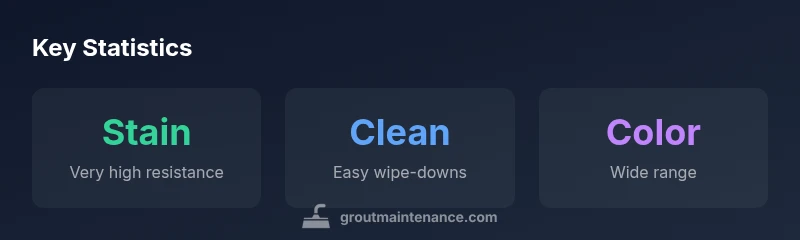
kerapoxy easy design is a two-component epoxy grout designed for seamless tile patterns with bold color options. It provides superior stain resistance, chemical resistance, and durability compared to cementitious grouts, making it ideal for showers and backsplashes. Installation requires careful surface prep and precise mixing, and cure times are longer than cement grout.
What is kerapoxy easy design and who should use it
According to Grout Maintenance, kerapoxy easy design is a two-component epoxy grout engineered for bold color patterns and tight tile joints. It combines epoxy resin with a hardener to form a non-porous matrix that resists staining and moisture when properly cured. For homeowners, this means better long-term appearance and easier maintenance in damp areas like showers, steam rooms, and backsplashes. The design angle—"easy design"—speaks to color flexibility and pattern potential rather than a single universal installation method. In practice, kerapoxy easy design suits ceramic, porcelain, and glass tile surfaces with fine joints where color consistency matters across a wider field.
From a practical perspective, epoxy grouts are inherently more chemically resistant than cementitious grouts, which helps resist coffee, wine, and sealant drips over time. However, this resistance depends on accurate mixing, proper surface preparation, and the correct waiting period between grouting and sealing steps (if applicable). The Grout Maintenance team notes that adherence to the manufacturer's instructions is key: using the correct ratio, working in small sections, and cleaning promptly are all critical to avoiding haze and uneven color. While not a miracle cure for every tile project, kerapoxy easy design offers an appealing mix of design potential and durable performance when installed under the right conditions.
Installation prerequisites and surface prep
Successful use of kerapoxy easy design begins before opening the bag. The surface must be sound, clean, and dry, with a consistent substrate that can tolerate the slight expansion epoxy grout may experience with temperature changes. Remove dust and contaminants, repair cracks in substrate, and ensure joints are properly prepared to receive a narrow epoxy grout. Use a clean mixing vessel and stir the resin and hardener according to product instructions; mix until the color is uniform and there are no streaks. Round off the job with a dedicated grout float that minimizes waste and haze. Maintain a clean edge line so the grout sits evenly in joints, and protect adjacent surfaces with painter's tape during application. The Grout Maintenance team emphasizes adhering to curing conditions: avoid high humidity and extreme temperatures during installation, which can affect workability and final results.
Design versatility: color, patterns, and tile compatibility
One of the big draws of kerapoxy easy design is color depth and consistency across large fields. In practice, color uniformity across multiple batches is achieved by staging materials from the same production run and by mixing from multiple bags when needed. The range of shades supports creative layouts—from subway tile grids to bold herringbone patterns—without compromising joint clarity. The epoxy base also helps maintain color saturation even after frequent wipe-downs with cleaners. The design flexibility makes it a preferred choice for kitchens and showers where you want a distinctive look that remains easy to maintain. Grout Maintenance analysis shows that epoxy grouts offer design flexibility with reliable performance in visible patterns, but batch-to-batch color matching requires careful handling.
Performance in moisture-prone areas
Epoxy grout's non-porous matrix resists moisture intrusion far better than many cementitious alternatives, which translates to lower risk of mold and staining in showers and wet rooms when properly installed. kerapoxy easy design is designed to maintain its color and texture under moisture exposure, but user care matters: proper cleaning after use, avoiding abrasive acids, and ensuring no standing water sits on surface during cure. Leaving excess grout on the surface leads to haze removal tasks that are easier when done quickly. Overall, epoxy grout excels in wet environments if installed correctly and maintained with regular cleaning.
Cleaning, sealing, and maintenance considerations
Because epoxy grout is non-porous, sealing is generally not required. Regular cleaning with pH-neutral cleaners keeps the surface bright, and using a microfiber cloth helps reduce any haze during cleanup. Avoid highly acidic cleaners that can degrade epoxy resin over long periods; if haze forms, it is best removed promptly with a soft scrubbing pad and recommended cleaner. The color integrity relies on surface protection from moisture and staining substances. For most homeowners, routine maintenance will involve wiping spills promptly and performing periodic deep-clean with gentler agents.
Durability and long-term care vs cementitious grouts
Compared to cementitious grouts, epoxy like kerapoxy easy design tends to resist staining and chemical exposure. It is harder and more resistant to absorption, which means spills such as coffee or oils are less likely to leave permanent marks. However, epoxy grout can be less forgiving if joints crack or if there is movement in substrate; minor cracks can remain visible and may require repair or re-grouting of affected areas. The long-term durability generally translates into easier maintenance and more polished appearance, especially in high-traffic areas or kitchens. The Grout Maintenance team notes that proper installation and joint movement allowances are crucial to achieving the best long-term results.
Common installation pitfalls and troubleshooting
Common mistakes include mixing the grout in incorrect ratios, working too large an area at once, or rushing cleanup, all of which can lead to haze and color mismatch. Temperature and humidity during cure affect final hardness; cooler conditions may slow cure and prolong cleanup time. Not cleaning all traces of grout promptly can leave a film that is hard to remove later. Another pitfall is selecting tile with excessively rough or non-smooth joint edges which can create difficulties for epoxy grout to fill evenly. The recommended approach is to work in small sections, monitor cure times, and perform a thorough final wipe-down to ensure a uniform finish.
Comparisons to alternative grout options
Epoxy grout such as kerapoxy easy design offers superior stain resistance and long-term appearance, but cementitious grout may be easier for DIY beginners in terms of tooling and cleanup. Cementitious grouts typically require sealing, and their color can fade with moisture exposure. For bold color patterns and busy tile designs, epoxy grout provides consistent hue and easier maintenance, while at higher material costs. The choice depends on your budget, tile type, and tolerance for installation complexity.
Practical DIY tips and professional recommendations
Plan your tile design and color palette early, and order extra color to account for batches variations. Do a mock-up joint to visualize color and joint width. Use the correct mixing tools and follow set times; avoid working in direct sunlight in hot conditions; keep the area ventilated. After grouting, clean promptly, and check for haze to remove before it fully cures. For complicated patterns or large areas, consult a professional to ensure the pattern alignment and grout depth meet recommended guidelines. The Grout Maintenance team recommends testing a small area first and documenting batch numbers to ensure color consistency.
Authority sources
This section lists credible sources that provide background on epoxy grout considerations, safety, and standards relevant to professional tile work. When evaluating kerapoxy easy design, homeowners should consider general guidelines from safety and building standards organizations to inform best practices for mixing, curing, and maintenance. These sources help frame expectations around installation conditions, chemical exposure, and long-term performance.
- https://www.osha.gov
- https://www.cdc.gov/niosh
- https://www.usgbc.org
Pros
- High stain resistance and chemical resistance compared to cementitious grout
- Non-porous surface reduces mold and mildew risk in showers
- Wide color range supports design flexibility
- No sealant required in most installations
- Low maintenance with easy cleaning when installed correctly
What's Bad
- More challenging for DIY beginners due to mixing and pot life
- Longer cure times and more careful handling during installation
- Higher material cost than traditional cementitious grout
Best for patterned, high-traffic wet areas where cleanliness and color fidelity matter
kerapoxy easy design delivers strong stain and chemical resistance with vibrant color options. Installation is more involved than cementitious grouts, but the long-term maintenance benefits often justify the effort, especially in showers and backsplashes.
Got Questions?
Is kerapoxy easy design suitable for DIY beginners?
Epoxy grout can be challenging for beginners due to mixing, pot life, and work speed. With careful prep and following manufacturer instructions, a motivated DIYer can succeed.
Epoxy grout can be tough for beginners, but with preparation and patience it's doable.
Do you need to seal epoxy grout?
Epoxy grouts are non-porous and generally do not require sealing. Regular cleaning with non-acidic cleaners helps maintain color and gloss.
Epoxy grout usually doesn't need sealing, but keep it clean for best performance.
How long does kerapoxy easy design take to cure?
Cure times vary with temperature and humidity, but epoxy grout generally reaches initial hardness within 24 hours and fully cures over several days. Always follow the product's instructions.
Expect a day to set and a few days to fully cure depending on conditions.
Can it be used in shower walls and floors?
Yes, epoxy grout is well-suited for showers and wet areas due to its moisture resistance, but ensure proper sealing and ventilation during installation.
Great for showers if you follow prep and cure guidelines.
How does cleaning epoxy grout compare to cementitious grout?
Epoxy grout resists staining and is easier to wipe clean, but haze from excess grout can require thorough immediate cleanup.
Epoxy grout cleans up quickly but needs careful initial cleaning.
Are there design limitations with color options?
Color options are extensive, but some shade variation between batches can occur. Always mix from multiple bags for uniformity.
Color variety is broad, but batch matching matters.
The Essentials
- Choose if you value color variety and durability
- Expect longer installation and cure times than cementitious grout
- No sealing required in most installations
- Maintain consistent temps and humidity during cure for best results
- Always test color batches and batch-match from the same run