What to Do with Grout Water: Safe Disposal Guide
Learn safe, practical methods to handle grout water from cleaning and mixing grout. This guide covers settling solids, disposing wastewater responsibly, and options for reuse where allowed.


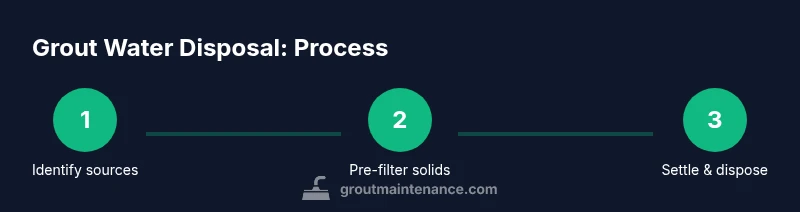
You will learn a safe, practical method to handle grout water, from settling solids to disposing of liquid wastewater without harming plumbing, soil, or the environment. We’ll cover simple pre-filtering, settling, appropriate dilution, and disposal on appropriate pathways. Before you start, gather a few basic tools and check local disposal guidelines to ensure compliance.
What grout water is and why disposal matters
Grout water is the slurry created when you mix, rinse, or clean cementitious grout. It can contain fine cement particles, plus any cleaners or sealants used during the project. Understanding what to do with grout water matters because cementitious slurries can clog drains, harm plants, and stress septic systems if poured down the wrong path. According to Grout Maintenance, following proper disposal practices reduces downstream issues and keeps your tile projects tidy. This article explains practical, home-tested methods you can perform with common tools, while keeping safety and the environment in mind. Start by identifying all sources of grout water around the project—slurry from mixing, rinse water after scrubbing, and any leftover wash from tools.
Key takeaway: treat grout water as a wastewater stream with solids that should be managed separately from plain sink drainage. Small volumes can be handled more flexibly than large batches, but the same principle applies: minimize splash, protect drains, and avoid discharge to storm drains where prohibited. The guidance here aligns with the Grout Maintenance Team’s recommendations for responsible grout care and disposal—a critical part of any grout maintenance plan.
Assessing the quality and quantity before disposal
Before you pour anything away, inspect the grout water for solids, color, and contaminants. If the water is mainly clear with a fine sediment, it’s a good candidate for settling and eventual disposal down a suitable drain (following local rules). If it’s heavily colored or contains cleaners, consult local guidelines or your waste authority. Always err on the side of caution: do not mix with bleach, acids, or other strong cleaners, and never pour grout slurry into a toilet if you’re unsure of the plumbing system. The homeowner’s responsibility is to determine whether the wastewater can go to a sink, followed by the proper downstream path. Grout Maintenance recommends documenting disposal steps so you have a record in case of questions from neighbors or local authorities.
Safe handling and initial treatment
Put on eye protection and gloves, and work in a well-ventilated area. Use a fine-mesh screen or pantyhose stretched across a bucket to catch solids as you transfer grout water. This pre-filtering keeps large particles from advancing to the settling step and helps you maximize the amount of liquid that can be disposed of or reused. Avoid introducing soil or plant matter into the wastewater stream. After pre-filtering, let the liquid sit undisturbed in a labeled container so the solids can settle to the bottom. If you’re dealing with large volumes, you can subdivide into multiple containers to speed up processing.
Our recommended disposal workflow (general guidance)
The following workflow is a practical, non-exhaustive approach, designed for typical home grout jobs. It emphasizes safety, legality, and environmental responsibility. Step-by-step instructions are provided in the dedicated STEP-BY-STEP section for clarity and precision. Always verify local rules before disposing of any grout water. After settling, you can drain the clear liquid away using approved methods, or reuse it for tasks that don’t involve new grout or potable water, such as rinsing tools that won’t contaminate future work. When in doubt, contact your local waste authority.
Reuse and alternatives for grout water
In some cases, grout water can be reused for non-potable tasks, such as pre-willing or dampening dry grout forms, depending on the concrete mix and contaminant profile. If you reuse, make sure the water remains free of cleaners and chemicals that could interfere with future grout work. Do not reuse water that contains disinfectants, acids, or bleach. For larger jobs or indoor environments, consider setting up a dedicated disposal container that can be sealed and transported to the appropriate facility. If reuse is not feasible, plan to dispose of the clarified liquid in an approved drain or facility as directed by local rules. The goal is to minimize environmental impact while maintaining tile-work quality.
Regulatory considerations and environmental impact
Regulations vary by location, so always check with your municipal or regional waste authority about grout-water disposal. In many areas, cementitious slurry should not be poured into storm drains or septic systems without proper treatment. Your local rules may require a permit or specific containment measures for larger quantities. Even small volumes can accumulate if you’re rinsing tools repeatedly, so approach disposal with a plan. The environmental impact of grout water comes mainly from particulates and alkalinity; proper disposal protects water quality, soil pH balance, and plumbing infrastructure. Grout Maintenance emphasizes following a methodical, locally compliant approach to avoid penalties and protect ecosystems.
Quick-start checklist for grout-water disposal
- Wear eye protection and gloves
- Pre-filter solids with a screen or pantyhose
- Let solids settle in a labeled container
- Decide approved disposal path per local rules
- Do not flush cement slurry or cleaners down the drain unless permitted
- Clean tools with the same filtered water if allowed by guidelines
- Keep a simple disposal log for future reference
Tools & Materials
- Goggles or safety glasses(Protect eyes from splashes)
- Nitrile gloves(Chemical-resistant)
- Two plastic buckets (5 gal or larger)(One for pre-filtering, one for settling)
- Fine-mesh screen or pantyhose(Catch solids before settling)
- Measuring cup or pitcher(For precise dilutions if needed)
- Permanent marker and labeling tape(Label containers clearly)
- Sealed waste container or heavy-duty trash bag(For solids and used filters)
- Label-approved drain-safe cleaning or water disposal option (per local rules)(Follow local guidance)
- Shovel or scoop(Optional for moving heavier solids)
Steps
Estimated time: 30-60 minutes for small projects; longer for larger batches
- 1
Identify grout-water sources
Review all sources of grout water from the job: mixing slurry, rinsing tools, and any wash water. Separate clean rinse water from slurry to reduce solids early.
Tip: Label each container so you know which is for disposal and which is for reuse. - 2
Protect workspace and PPE up
Set up your work area in a well-ventilated space. Put on gloves and eye protection to prevent splashes. Use a drop cloth to catch spills.
Tip: Keep pets and children away from the area. - 3
Pre-filter solids
Place a fine-mesh screen over a bucket and slowly pour grout water through it to catch solids. No tools should go through the filter that could tear it.
Tip: For very fine particles, use a second layer like pantyhose for an extra filter. - 4
Settle the slurry
Allow filtered water to stand in a labeled container so solids settle to the bottom. The time needed depends on volume; minute to several hours is typical.
Tip: Do not shake the container while settling; gentle handling helps clarify the liquid. - 5
Dispose or reuse the liquid
If local rules permit, drain the clear liquid into the approved disposal path. If reuse is allowed, use the clarified water for non-potable tasks only and away from future grout work.
Tip: Never mix with strong cleaners or bleach, unless you know it’s approved by local guidelines. - 6
Clean up and seal the workflow
Seal and label any waste containers, then rinse tools into the same container if permitted. Wipe down surfaces and store PPE for next use.
Tip: Keep disposal records in your project notes for compliance.
Got Questions?
Is grout water safe to pour down the drain?
Not always. Cementitious slurry can clog pipes and disrupt septic or municipal systems. Always check local guidelines before disposal and use an approved path for liquids.
Grout water isn’t always safe for drains; check local rules first and use an approved method for disposal.
Can grout water be reused?
In some cases, clarified water can be reused for tasks that don’t involve applying new grout or contact with skin. Avoid reuse if there are any residual cleaners or contaminants.
Yes, sometimes the clarified water can be reused for non-grout tasks, but avoid using it where it could affect future grout work.
What should I do with the settled solids?
Let solids settle, then dispose of them as construction debris according to local rules. Do not pour solids into sinks or onto soil unless advised by waste authorities.
Let the solids settle and follow local disposal guidance; don’t dump them down the sink.
Are there environmental risks with grout water?
Yes. Cementitious material can raise alkalinity and contain particulates that may harm water quality if discharged improperly. Dispose using permitted paths and avoid storm drains.
There are environmental risks if grout water is discharged improperly; use approved disposal paths.
What PPE should I wear and why?
Wear gloves and eye protection to prevent splash injuries. Ensure proper ventilation to avoid inhaling any dust or fumes produced during handling.
Always wear gloves and eye protection, and ensure good ventilation when handling grout water.
Watch Video
The Essentials
- Identify grout-water sources before disposal.
- Pre-filter and settle solids to clarify the liquid.
- Follow local rules and avoid storm drains or septic systems unless approved.
- Label containers and log disposal actions for compliance.