Frost Grout vs Warm Gray: A Practical Color Comparison for Tile Care
A practical comparison of frost grout and warm gray grout, exploring aesthetics, cleaning, sealing, and long-term care to help homeowners choose the right grout color for tile projects.


frost grout vs warm gray is a classic color showdown for tile projects. In brief, frost grout creates a bright, airy look but shows dirt and wear sooner; warm gray provides depth and hides grime. This quick comparison flags how lighting, tile color, and sealing decisions influence maintenance and long-term appearance.
Understanding the Core Difference: Frost Grout vs Warm Gray
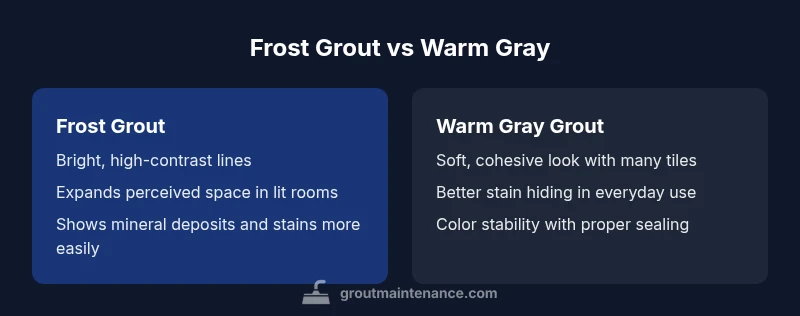
The choice between frost grout and warm gray is more than a color decision; it shapes how a tile installation reads in light, how easy it is to maintain, and how it ages over time. When you examine frost grout vs warm gray, you’re weighing brightness against practicality, contrast against harmony, and a bold design moment against everyday wear. Frost grout creates a crisp line between tiles, offering a modern, high-contrast look with white or pale tiles. Warm gray, by contrast, blends more softly with mid-tone tiles and many natural stone variations, creating a cohesive field rather than sharp punctuation. In rooms with abundant daylight, frost grout can visually expand the space; in dim or busy rooms, warm gray often feels calmer and more forgiving. Throughout this guide, we explore aesthetics, maintenance implications, and practical criteria to help you pick the grout color that best fits your project.
Aesthetic Impact: Brightness, Contrast, and Tile Pairing
Color perception shifts with light and context. Frost grout is near-white, delivering bright lines and a contemporary vibe that works well with white or cool-toned tiles. This choice can make small kitchens, bathrooms, or entryways feel more expansive and lively. Warm gray occupies a mid-range tone that sits between white and charcoal. It softens the starkness of frost and provides a neutral ground that pairs well with beige, cream, or gray-toned tiles. The result is a balanced, timeless look that still defines grout lines without shouting for attention. When you compare frost vs warm gray, it’s essential to test color samples in the actual room under your planned lighting to see how the tones shift throughout the day and with artificial light. In this section, we consider grout color options, tile pairing, and the visual dynamics of both shades.
Cleaning and Stain Visibility: What Actually Shows Up
Dirt and residue interact with grout color in predictable ways. Frost grout tends to reveal mineral deposits, soap scum, and light staining more clearly on pale backgrounds. This can translate into more frequent cleaning or more noticeable touch-ups in kitchens and bathrooms with hard water or high humidity. Warm gray, with its muted tone, hides many everyday marks and is often perceived as cleaner for longer stretches between cleanings. However, it’s not immune to staining or discoloration, especially if dirty residues are allowed to sit or if sealers wear off. The practical strategy is to pair your grout color with a sealing plan and appropriate cleaners that preserve hue. This section also covers how to pick sealers or colorants that maintain color integrity without giving an uneven appearance across high-traffic zones.
Sealing, Hydrophobic Treatments, and Hue Integrity
Sealing grout is a common step to boost stain resistance and reduce moisture intrusion. Frost grout can react differently to sealers than warm gray; some sealers deepen or slightly alter the hue, while others leave the color nearly unchanged. Warm gray tends to maintain its neutral tone, but poor or uneven sealing can emphasize gaps or inconsistencies. For high-moisture areas like showers or steam-prone baths, epoxy or hybrid grouts offer superior color stability and water resistance, though they come with higher cost and more complex installation. The key is to perform a small test area and follow manufacturer guidelines for curing times and re-sealing intervals. The right sealer choice helps keep hue uniform across walls, floors, and corners and reduces patchy discoloration that can spoil the overall look.
Lighting Scenarios and Room Type Effects
Room lighting dramatically affects how frost and warm gray read in practice. In kitchens with bright, cool daylight, frost grout can seem almost luminous and make tiles appear crisper. In bathrooms that rely on warm LEDs, frost grout might take on a slightly amber or cooler cast, depending on the bulbs. Warm gray often reads as comforting and cohesive under warm lighting and soft shadows, contributing to a spa-like feel. Consider the room’s function when predicting performance: kitchens and entryways with high traffic might benefit from the light-enhancing effects of frost, while bathrooms and living areas with static furniture and longer dwell times can benefit from the forgiving, consistent tone of warm gray. We also explore tile shapes—subway, herringbone, or large-format—and how grout color choice interacts with patterns and grout spacing.
Tile Materials and Grout Fit
Porcelain and ceramic tiles differ in porosity and glaze, influencing grout performance and color perception. Frost grout on highly polished tiles can accentuate micro-scratches and defects more readily, while warm gray often camouflages minor irregularities, especially on textured or matte finishes. Natural stone requires extra attention: veining and color shifts in stone can clash with bright frost or competing gray tones if grout color is not matched well. This section provides general compatibility guidelines, testing recommendations, and practical tips for selecting cementitious vs epoxy grout for specific tile materials. The aim is to help you choose a color that harmonizes with tile makeup and anticipated wear.
Practical Choosing Framework: Quick Criteria and Examples
A simple, repeatable decision framework helps you choose frost grout vs warm gray. Start with your tile color family, then assess lighting, expected maintenance, and room function. Example scenarios: white subway tiles in a sunlit kitchen typically pair well with frost grout for maximum brightness; a cozy bathroom with mid-tone ceramic or stone-look tiles benefits from warm gray to reduce contrast while keeping grout lines defined. Use a color-matched test board and simulate cleaning routines to see how each shade holds up under your actual conditions. This section also references product categories such as cementitious vs epoxy grout and how color stability differs between formulations, with practical guidance for selecting products that resist wear and fading.
Real-World Scenarios: Kitchen Backplash, Shower Niche, and Floors
Real-world projects illustrate how frost grout vs warm gray plays out in daily life. A white subway backsplash with frost grout creates a bright, high-contrast backdrop that accentuates tile gloss and pattern. A mid-tone tile in a shower with warm gray grout offers a calm, cohesive field that hides minor mineral buildup between cleanings. Floor installations present a different test: frost grout may emphasize dust and footprints in high-traffic zones, while warm gray minimizes visual noise and maintains a consistent floor image. We cover maintenance implications, the impact on resale value, and how to communicate color choices with contractors to ensure the final result aligns with expectations.
Maintenance Plan: Cleaning Routines and Long-Term Care
Establishing a routine is essential to keep frost vs warm gray grout looking its best. A practical plan includes daily wipe-downs to prevent soap scum buildup, weekly or monthly deep cleaning with grout-safe cleaners, and periodic sealing checks. If you notice shade shifts or patchy coloration, consider re-sealing or applying a colorant aligned with the grout line. This section provides a recommended maintenance calendar, suggested cleaner types, and best practices for avoiding discoloration caused by harsh chemicals, hard water, or improper sealing. We also outline signs when professional regrouting or color-refreshing might be warranted to preserve aesthetics and functionality.
Comparison
| Feature | Frost Grout | Warm Gray Grout |
|---|---|---|
| Aesthetic effect | Bright, high-contrast lines with white/tile combos | Mid-tone, blended lines with diverse tile palettes |
| Maintenance visibility of stains | Stains and mineral deposits appear more readily | Stains are generally less conspicuous |
| Cleaning frequency / ease | Requires attentive cleaning for light color | Easier to maintain visually between cleanings |
| Color consistency with tile | Best with light tiles; high contrast with dark grout | Pairs well with mid-to-dark tiles; cohesive look |
| Sealing impact on color | Sealer may darken or alter frost hue depending on product | Sealer often preserves gray tone but can shift shade |
| Long-term wear concerns | Prone to visible wear on light backgrounds | More forgiving with minor wear on mid-toned backgrounds |
Pros
- Brightens spaces and emphasizes tile patterns
- Hides imperfections less in high-traffic areas when paired with light tiles
- Widely available across brands and price points
- Sealing can improve stain resistance for either color
What's Bad
- Stains and mineral blooms show easily on frost grout
- Gray tones may look dated if room scheme shifts
- Re-sealing or color adjustments can be needed over time
- Improper sealing can cause uneven color or blotching
Choose frost grout for bright, modern spaces and warm gray for forgiving, cohesive rooms.
Frost grout shines in light-filled areas and with pale tiles, creating crisp lines and a spacious feel. Warm gray offers practical maintenance, better stain hiding, and a timeless look for diverse tile palettes. The best choice depends on your room’s lighting, tile color, and willingness to seal and maintain.
Got Questions?
Which grout color hides grime best in high-traffic areas?
Warm gray generally hides everyday staining better than frost, especially in kitchens and hallways with mid-tone tiles. For very high-traffic areas, test samples under your lighting and cleaning routines to confirm. Regular sealing helps maintain its performance.
Warm gray tends to hide grime better in busy spaces; test in your environment to confirm.
How does lighting affect frost vs warm gray in a room?
Lighting dramatically shifts perception. Frost grout can look brighter under natural light, expanding space, but may reveal residues under artificial lighting. Warm gray remains more consistent under varying light, helping maintain a balanced look.
Light changes color perception—frost can brighten rooms, while warm gray stays more steady.
Will sealing darken frost grout?
Some sealers can darken frost grout slightly, depending on the product and the substrate. Always test in a small area before full application and follow the sealer’s curing guidelines.
Sealants can darken frost grout a bit; test first.
Can I switch grout color after tiling without redoing grout?
In some cases you can recolor or stain existing grout with specialized products, but color matching can be tricky and may require professional assistance. Full regrouting guarantees uniform appearance but is more invasive.
You can recolor or regrout, but it’s best to plan ahead to avoid a full redo.
Is frost grout more prone to staining in kitchens?
Frost grout is more prone to showing stains than mid- or dark-toned grouts, particularly in areas with mineral-rich water or heavy cooking oils. Regular cleaning and sealing help manage this.
Frost can stain more easily; regular care helps.
How do I clean frost grout vs warm gray effectively?
Use pH-balanced cleaners and avoid aggressive bleach products that can alter color. For tough stains, test on a small area and consider color-safe grout colorant or a color-matching sealant as a maintenance option.
Use gentle cleaners and test stain removers on a small area first.
The Essentials
- Assess room lighting before choosing grout color
- Test color samples in actual room lighting
- Seal grout to improve stain resistance and hue stability
- Consider tile tone and pattern when pairing with grout
- Plan maintenance around preferred grout shade