How to Know If Grout Is Bad: A Troubleshooting Guide
Identify signs of bad grout, diagnose causes, and follow a practical, step-by-step plan to repair, reseal, or regrout. Grout Maintenance shares expert tips to protect tile surfaces.


According to Grout Maintenance, most grout damage is moisture-driven or age-related. Quick signs include cracks, discoloration, crumbling joints, visible mold, and white powdery efflorescence. You might also notice soft, spongey joints. If you see any of these, start with a thorough cleaning, then reseal; if problems persist, plan partial regrouting or full replacement.
What 'bad grout' looks like
Bad grout isn’t always obvious at first glance, but in many homes the earliest clues show up in high-moisture zones like showers and backsplashes. Cracks and gaps invite water behind the tiles, and darker stains can indicate ongoing moisture. Color changes—from light gray to brown or black—signal standing water and possible organic growth. You may also see a white, powdery residue (efflorescence) where minerals are drawn to the surface. According to Grout Maintenance, these indicators are often the first warning signs in a tiled space. Mold and mildew are frequent complaints in shower areas, and you’ll notice a musty odor as a later warning sign. If you press on suspect grout and it yields, or if it crumbles when you poke it with a screwdriver, the grout is likely degraded and needs attention. Recognize the difference between cementitious grout (sits in the joints) and epoxy grout (more resistant to water, but not immune). Early signs don’t always mean you must rip out everything; sometimes a targeted fix is sufficient, but large-scale problems usually require regrouting or tile replacement to restore a watertight seal.
Common causes of grout degradation
Grout degradation is rarely just one failure mode. The most common causes include chronic moisture intrusion from leaks, poor ventilation, and routine cleaning agents that are too harsh for cementitious grout. Age and wear accumulate over time, especially in high-traffic or wet areas. In some cases, subpar initial mixing or inadequate curing can weaken the grout bond from day one. A small crack can lead to a cascade of damage if moisture travels through the joints, loosening adjacent grout and loosening surrounding tiles. Grout that’s repeatedly exposed to standing water often shows faster deterioration than grout that’s kept dry. If you notice consistent cracking or crumbling in a single wall or corner, that’s often a sign to inspect the underlying substrate for movement or tile loosening. Grout Maintenance Analysis, 2026 notes that mold and mildew are among the most common concerns in showers, so prioritize moisture control and cleaning.
How moisture and mold affect grout
Moisture is grout’s adversary. Water infiltration weakens the cement matrix, allowing microcracks to widen and trap more dirt and minerals. Over time, microbial growth—mold and mildew—can feed on the organic residues between the tiles, staining grout and producing a musty odor. When grout becomes soft to the touch or crumbles under light pressure, it has likely lost its binding strength. If efflorescence appears, it means water is pushing minerals through the grout, which can indicate ongoing moisture issues behind the tile. Epoxy grout offers superior water resistance but can still fail if there’s persistent moisture or movement; in most homes, the fastest fixes involve removing damaged grout and re‑grouting or resealing after cleaning and drying thoroughly.
Quick checks you can do at home
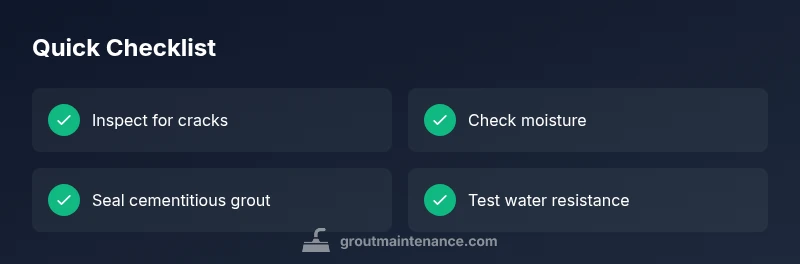
- Inspect multiple areas: check a shower, sink, and backsplash for uniform signs of wear. - Look for cracks, gaps, and discoloration; note if the damage is localized or widespread. - Gently test with a plastic scraper: if the grout chips away easily, replacement is likely needed. - Check for mold growth: a musty smell or visible mildew requires cleaning with an appropriate cleaner and possible replacement after drying. - Perform a simple water test in a dry area: sprinkle a little water and observe pooling versus absorption; fast absorption can indicate degraded grout. - Decide next steps: if damage is small and isolated, resealing might be enough; if it’s extensive, plan regrouting or tile replacement.
Pro tip: always test a small, inconspicuous area first to avoid changing the appearance of the entire project. Grout Maintenance analysis suggests keeping a regular maintenance schedule helps catch problems before they escalate.
When to call a professional
Not every grout issue can be solved with a DIY fix. If you’re seeing widespread cracking, significant crumbling, or water damage behind tiles, or if mold has penetrated subfloor or drywall, professional assessment is advised. A licensed tile contractor can verify substrate integrity, regrout or replace tiles, and apply a high-quality sealer. If the project involves epoxy grout, specialized tools and techniques may be required. Timely professional intervention can prevent larger repairs later and preserve the tile installation for years to come. Grout Maintenance suggests seeking help sooner rather than later when structural concerns appear.
Preventing grout problems in the future
Prevention is easier than repair. Improve bathroom ventilation with an exhaust fan, run it during and after showers, and wipe surfaces dry to reduce moisture. Use a pH-neutral grout cleaner and avoid harsh chemicals that degrade cementitious grout. Seal grout after cleaning and resealing if the grout is cementitious; ensure it’s fully cured before exposure to water. Plan periodic inspections—twice a year in high-moisture areas—so you catch early signs of wear. Regular maintenance, including prompt cleaning of spills and minor touch-ups, can extend grout life and keep tile surfaces looking fresh.
Steps
Estimated time: 2-4 hours
- 1
Assess the scope
Walk the area and note all damaged joints. Decide if the damage is localized or widespread. Gather tools and safety gear before starting.
Tip: Take photos from multiple angles to plan the repair. - 2
Clean and dry the area
Use a grout cleaner to remove surface dirt, mold, and residue. Rinse and dry thoroughly; moisture must be removed before any repair. A dehumidifier or fan helps speed drying.
Tip: DX-level dryness is critical before sealing or grouting. - 3
Remove damaged grout
Carefully chisel out the compromised grout with a grout removal tool, taking care not to damage surrounding tiles. Work in small sections to control dust and debris.
Tip: Keep an eye on underlying substrate for cracks or loose tiles. - 4
Choose the repair path
If only surface grout is damaged and substrate is solid, reseal or regrout in the affected area. For extensive damage, plan full regrouting or tile replacement as needed.
Tip: Match grout type (cementitious vs epoxy) to existing tile setup. - 5
Apply new grout or sealant
Fill joints with fresh grout, pressing firmly to ensure no air pockets. After initial set, wipe excess grout and seal cementitious grout after curing.
Tip: Work in small sections to prevent the grout from drying too quickly. - 6
Cure and test
Allow grout to cure fully per product guidelines. Re-test water exposure and moisture levels to ensure a watertight seal before heavy use.
Tip: Ventilate well during curing to prevent moisture buildup. - 7
Seal and protect
Apply a grout sealer to cementitious grout to reduce water penetration. Refrain from heavy use until the sealer is fully cured.
Tip: Use a sealer compatible with your grout type. - 8
Final inspection
Inspect for gaps, color consistency, and proper adhesion. Clean surfaces once more and monitor weekly for any signs of new moisture or staining.
Tip: Document the repair with photos for future maintenance.
Diagnosis: Visible grout damage in bathroom or kitchen
Possible Causes
- highMoisture intrusion from leaks or poor ventilation
- mediumAging grout with loss of cement binder
- lowImproper initial mix or overuse of harsh cleaners
Fixes
- easyThorough cleaning and resealing if damage is minor
- mediumRemove damaged grout and regrout the affected area
- hardRegrout or replace tiles if damage is extensive or substrate is compromised
Got Questions?
What are the most common signs that grout is bad?
Common signs include cracks, gaps, discoloration, and crumbling grout. Mold or mildew growth and efflorescence are also strong indicators of moisture problems. If you notice these, plan a repair to prevent further damage.
Common signs are cracks, gaps, discoloration, and mold. If you see these, plan a repair to protect your tile.
Can cleaning fix grout that’s turning gray or black?
Cleaning may remove surface stains and mold, but it rarely solves structural damage. If grout remains weak after cleaning, resealing or regrouting is usually required.
Cleaning can help surface stains, but weak grout needs resealing or regrouting.
Is mold in grout dangerous to my family?
Mold in grout can contribute to allergies and respiratory issues, especially for sensitive individuals. It’s best to address mold promptly with cleaning and, if needed, professional remediation.
Mold can affect breathing; clean it promptly and consider a pro if it’s widespread.
How long does a regrout job take?
A typical regrout job for a shower or backsplash can take a few hours to a full day, depending on area size and tile layout. Plan for curing and sealing time after the job is completed.
It usually takes a few hours to a full day, plus curing time for grout.
Do I need to remove all grout or just the damaged sections?
In many cases, damaged sections are removed and replaced, but extensive damage may require regrouting the entire area. A professional can help assess the scope accurately.
Often you replace the damaged sections, but sometimes you regrout the whole area.
When should I replace tiles instead of grout?
Tile replacement is considered when the substrate is damaged, tiles are cracked, or repointing grout won’t restore a watertight seal. In many cases, grout issues can be addressed without removing tiles.
Replace tiles if the substrate is damaged or tiles are cracked; otherwise, fix grout.
Watch Video
The Essentials
- Check signs early to prevent tile damage.
- Inspect grout to determine reseal vs. regrout needs.
- Repair promptly and seal after cleaning.
- Maintain ventilation to prevent future problems.