What Causes Grout to Fall Out: A Practical Troubleshooting Guide
Discover the common reasons grout falls out, including moisture, installation errors, and aging grout. Learn how to diagnose, regrout, and prevent future failures with practical, home-friendly steps.


Grout falls out mainly due to moisture intrusion and substrate movement, often tied to poor installation or aging grout that has lost bonding strength. Other factors include wrong grout type for the joint, inadequate substrate prep, and gaps that allow water access behind the tiles. Address the root causes with proper removal, reapplication, and sealing to restore durability.
What the problem looks like and why it happens
When grout begins to crumble or pull away from tile edges, homeowners understandably panic. The immediate sign is loose, crumbling, or missing grout between tiles. Over time, you may notice wider gaps that trap dirt and moisture, corners that feel hollow when pressed, or tiles that shift slightly as you step on them. The core question remains: what causes grout to fall out? In most homes, the leading culprits are moisture intrusion, poor substrate preparation, and aging grout that has lost its bonding strength. According to Grout Maintenance, the most common reasons grout fails are moisture intrusion, poor substrate prep, and movement of the substrate beneath the tile. Embodied in those causes are a few recurring patterns: improper cleaning before grouting, using the wrong grout type for the joint width, or failing to seal where necessary. Understanding these root causes helps you choose the right remedy—whether you’ll regrout, reseal, or replace tiles in extreme cases. The urgency becomes clear when you see water staining, mold growth, or cracked tiles that indicate the underlying issue is active moisture or movement.
The phrase "what causes grout to fall out" often surfaces in DIY forums, but real solutions require identifying specific failure modes. As homeowners, the first step is to distinguish between cosmetic gaps and structural loss of bonding. If you see loose tiles or persistent dampness, do not postpone inspection—delays can let the issue worsen and require more invasive repairs. Grout Maintenance recommends starting with a quick visual check and moisture assessment to prioritize safety and effectiveness. In many cases, a well-executed regrouting project, combined with proper sealing and substrate prep, can restore durability without tile removal.
This block emphasizes the practical reality: diagnosing and fixing grout loss hinges on identifying whether the root cause is moisture, substrate problems, or ageing material. A calm, methodical approach saves time and money and reduces the risk of repeating failures.
Steps
Estimated time: 2–6 hours excluding cure time
- 1
Assess the area and plan the fix
Survey the affected area, identify moisture sources, and decide whether you’ll regrout, fully replace, or re-tile. Document any signs of water intrusion, mold, or staining. Gather the right grout type, sealant, and tools before starting to avoid interruptions.
Tip: Take photos before removal to guide reinstallation and ensure consistent joint widths. - 2
Protect and prepare the workspace
Protect adjacent surfaces with towels or plastic sheeting. Use drop cloths and ventilation to manage dust. Remove items and prepare your grout removal tools, ensuring you won’t damage surrounding tiles.
Tip: Wet surrounding grout slightly to minimize dust during removal. - 3
Remove damaged grout carefully
Use a grout saw or oscillating tool to remove loose grout to a depth of the full joint. Stop before you expose tile edges to avoid chipping. Clean the joints and surrounding tiles to remove debris and sealant residues.
Tip: Work in small sections to keep consistency and avoid over-removal. - 4
Prepare the joints and apply new grout
Moisten joints slightly if needed (check product guidance). Pack the chosen grout firmly into joints with a grout float, ensuring no voids. Wipe excess grout with a damp sponge before it cures and allow proper curing time.
Tip: Follow cure times exactly; rushing curing leads to weak bonding. - 5
Seal and protect after curing
Apply a grout sealer only after the grout has fully cured according to the manufacturer. In damp areas, use a penetrating sealant to reduce water ingress. Ventilate the area during curing and use a dry environment.
Tip: Test a small area first to ensure the sealer does not alter grout color unexpectedly.
Diagnosis: Visible grout loss, gaps between tiles, or hollow-feeling grout during pressure tests
Possible Causes
- highMoisture intrusion or leaks behind tiles
- highPoor substrate preparation (dirty, loose, or unflat surface)
- mediumAging or wrong grout type for joint and environment
- mediumSubstrate movement or tile debonding due to structural shifts
Fixes
- easyIdentify and repair moisture source (leaks, condensation, or poor ventilation) and ensure proper waterproofing in wet areas
- easyClean and reprepare the substrate surface, remove loose adhesive, and ensure a dry, flat base before regrouting
- easyChoose the appropriate grout type (sanded vs unsanded, epoxy for damp areas) and apply per manufacturer instructions
- mediumIf there's significant substrate movement or tile debonding, consult a licensed professional to assess structural causes
Got Questions?
What is the most common cause of grout falling out?
Moisture intrusion paired with poor installation is the most common driver behind grout failure. Aging grout and improper joint preparation also contribute. Addressing moisture and regrouting with proper materials often resolves the issue.
The most common cause is moisture intrusion with poor installation, often helped by aging grout. Regrouting with the right materials typically resolves it.
Can old grout fall out even if it looks intact?
Yes. Grout can fail from behind the surface even if it appears solid from the front. Subsurface water or substrate movement can cause hidden voids or micro-cracks that lead to eventual loss of bonding.
Old grout can fail behind the surface even if it seems fine from the outside; look for moisture signs and substrate issues.
How long does regrouting typically last?
Longevity depends on the grout type, environmental conditions, and maintenance. Properly installed cementitious grout with good sealing can last several years, while epoxy grout tends to last longer in wet areas.
A well-done regrout can last for several years, depending on the grout type and environment.
Is epoxy grout better than cementitious grout for preventing falls?
Epoxy grout offers superior chemical and moisture resistance, which can reduce delamination in some wet areas. However, it is harder to install correctly and may not suit every project. Choose based on location, exposure, and installer experience.
Epoxy grout resists moisture well, but it's trickier to install. Decide based on your area and ability.
When should I call a professional?
If you notice persistent moisture, recurring cracks after multiple repairs, or large areas of tile debonding, it’s wise to consult a licensed contractor to assess substrate stability and waterproofing.
Call a professional if moisture persists or you see widespread tile movement or debonding.
Watch Video
The Essentials
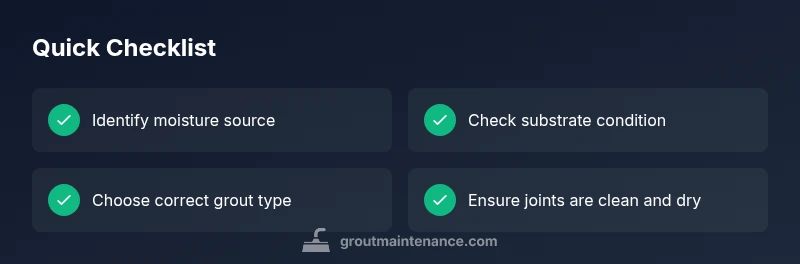
- Identify moisture sources before regrouting
- Choose the right grout type for the environment
- Don’t rush curing—proper sealant use matters
- If movement is suspected, involve a professional
- Regular maintenance prevents recurrence