Grout Not Drying After Shower: Quick Fix Guide 2026
Discover why grout not drying after shower happens and how to fix it quickly with practical steps, safety tips, and prevention from Grout Maintenance.


Grout not drying after shower typically means moisture is lingering due to inadequate ventilation, improper sealing, or a compromised grout job. Start by boosting airflow with the exhaust fan and drying surfaces with towels. Check for cracks, leaks, or water intrusion behind tiles. This quick check helps you decide between sealing, regrouting, or professional repairs.
What 'grout not drying after shower' means and signs to look for
Grout not drying after shower is a sign that moisture is lingering in the grout lines. You may see dark patches that don't lighten, a musty smell, or surfaces staying damp. This isn't just cosmetic—persistent moisture can lead to mildew and structural damage if ignored. According to Grout Maintenance, the root cause is often inadequate ventilation, combined with porous grout and insufficient sealing. Look for water pooling on the shower floor, condensation on walls, or damp niches after use. Early detection reduces risk and preserves tile longevity. Consider changes after remodeling, new tile, or a reseal attempt; these can alter how quickly grout dries after showers.
Immediate checks you can perform today
Begin by running the exhaust fan for 20-30 minutes after showering and towel-drying visible grout lines. If the grout still darkens, inspect for visible cracks or gaps. Check the shower door seal and the drain area for leaks. Ensure the bathroom remains ventilated and the air is circulating. Remember, grout not drying after shower often improves with better airflow and less humidity. If you notice a musty odor or persistent dampness, escalate to a more thorough check.
Common causes behind damp grout in showers
Most damp grout cases stem from poor ventilation, water intrusion, or worn sealing. Improper grout mixing or use of non-sealing grout can absorb moisture and stay damp longer. Grout is porous and holds moisture, especially in high-humidity rooms. Grout not drying after shower can indicate leaks behind tiles or a failing seal that allows water to sit in the joint. Grout Maintenance analysis shows that ventilation and sealing play major roles, while structural issues or mold growth are less common but possible. Based on Grout Maintenance research, addressing ventilation first often resolves the majority of dampness issues.
Diagnostic checks: how to confirm the cause
To diagnose, test airflow, moisture sources, and grout integrity. Start by drying panels with a towel and using a hygrometer to gauge humidity levels; high humidity supports the ventilation hypothesis. Inspect grout lines for hairline cracks or missing grout—these invite water into the substrate. Remove a small tile edge to inspect for water infiltration behind the wall if safe. If you find mold or persistent dampness behind tiles, contact a professional for a leak test. These checks help you decide if sealing, regrouting, or structural repair is needed.
Step-by-step quick fixes to try now
If you can safely access the shower area, implement a few immediate steps: increase ventilation, dry all damp surfaces, clean any mineral deposits that trap moisture, and re-check after 24 hours. If the grout remains damp, do not seal yet; moisture must be fully reduced first. For minor cracks, apply color-matched grout sealant to protect the joints once dry. If mold is present, treat with a mold-safe cleaner.
Long-term fixes: regrouting, sealing, and materials
For long-term success, evaluate whether your grout type is appropriate for a wet shower. Porous cement-based grouts require sealing and periodic maintenance, while epoxy grout resists moisture but can be harder to work with. If dark patches persist after attempting fixes, consider regrouting the affected area using a quality grout and a compatible sealant. After curing, apply a penetrating grout sealer to reduce moisture absorption.
Prevention tips to keep grout dry after showers
Preventing damp grout is easier than treating it. Ensure consistent ventilation, maintain proper tile spacing, and clean regularly with a grout-safe cleaner. Use a moisture barrier behind the tile if you renovated. After sealing, re-check humidity and drying times. Regular maintenance and timely resealing help keep grout dry in the long run.
Safety and maintenance reminders
Always wear gloves and eye protection when cleaning or applying grout products. Turn off power before any electrical work near wet areas and never mix cleaners without reading labels. If you suspect leaks or mold behind walls, stop and call a pro. Regular checks prevent moisture buildup and protect your tile investment.
Steps
Estimated time: 2-4 hours total (plus 24-48 hours curing for grout/sealant)
- 1
Assess the area and gather tools
Begin by inspecting the damp zones and collecting towels, a fan, a moisture meter (optional), cleaner designed for grout, and safety gear.
Tip: Wear gloves and eye protection to avoid irritants. - 2
Increase ventilation and dry surfaces
Run the bathroom fan for 20-30 minutes after showering and thoroughly dry all damp grout lines and tiles.
Tip: Keep doors or windows open safely to maximize airflow. - 3
Inspect grout integrity
Look for cracks, missing grout, or soft, crumbling joints that can trap moisture. If you see damage, plan for resealing or regrouting.
Tip: Use a flashlight to spot hairline cracks. - 4
Clean mineral deposits and mold primers
Clean the grout with a grout-safe cleaner, removing mineral deposits that hold moisture. Treat visible mold with a proper cleaner.
Tip: Do not mix cleaners; follow label directions. - 5
Re-seal or regrout
If the grout is compromised, remove damaged grout and apply new grout, then seal after curing.
Tip: Allow curing per manufacturer instructions before sealing. - 6
Verify dryness and monitor
After repairs, monitor for 24-48 hours to ensure the grout dries fully and no new damp patches appear.
Tip: Take notes of drying times for future maintenance.
Diagnosis: Grout remains damp or dark after shower
Possible Causes
- highInsufficient ventilation or high humidity
- mediumWater intrusion behind tile or into wall cavity
- mediumDefective grout or grout that is not fully sealed
- lowPorous substrate absorbing moisture
Fixes
- easyIncrease ventilation; run exhaust fan during and after showers for 24-48 hours
- mediumInspect for leaks and cracks; reseal or regrout as needed
- easyApply a penetrating grout sealer after proper curing
- hardIf moisture behind walls persists, consult a licensed contractor
Got Questions?
Why is my grout not drying after shower even with a fan on?
A lack of adequate ventilation or a compromised grout seal can keep moisture trapped. Inspect for leaks, cracks, and re-seal or regrout as needed. Improve airflow and monitor the area after drying.
Lack of airflow or a damaged grout seam can trap moisture even with a fan; check seals and leaks, then improve ventilation.
How long should grout take to dry after sealing?
Drying and curing times vary by product; always follow the sealer instructions. In most cases, avoid moisture for at least 24 hours after sealing.
Follow the sealer's instructions; typically keep the area dry for about a day after sealing.
Should I regrout if mold forms in damp grout?
If mold persists despite cleaning, consider removing damaged grout and applying fresh grout with proper sealing. In severe cases, a professional evaluation may be needed.
If mold keeps coming back, you may need to remove and replace the grout and reseal.
Can epoxy grout prevent this problem?
Epoxy grout resists moisture better than cement-based grout but can be harder to install. It may reduce moisture-related issues when correctly installed and sealed.
Epoxy grout resists moisture but can be trickier to install.
Is it safe to use a hair dryer to speed up drying?
Avoid using heat devices directly on grout as it can cause cracking; instead improve ventilation and air flow to dry the area safely.
Don't rely on a hair dryer; it can crack grout. Use ventilation and air flow.
Watch Video
The Essentials
- Improve ventilation first to reduce moisture.
- Inspect for leaks and cracks; reseal or regrout if damaged.
- Never seal damp grout; allow full dryness and curing.
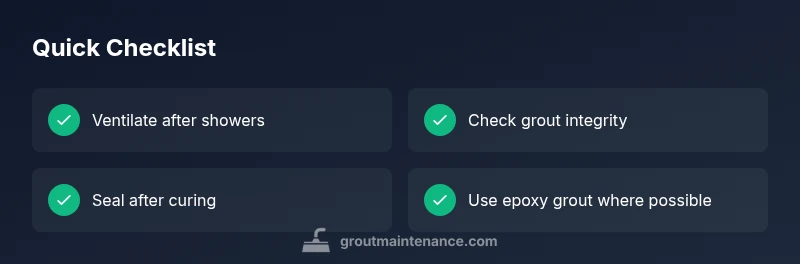
- Choose the right grout type for showers: epoxy or properly sealed cement-based.
- Prevent future dampness with regular maintenance.