Grout Quick Dry: Fast-Curing Tips for Tile Grout
Learn practical, step-by-step methods to achieve grout quick dry after cleaning or sealing. This guide covers prep, environment setup, and timing to prevent moisture traps and mold while maintaining durability.


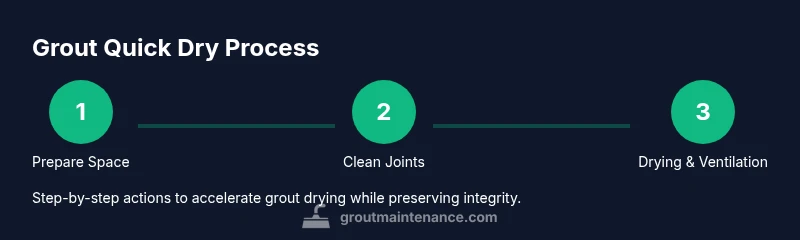
You will learn practical methods to achieve grout quick dry after cleaning or sealing. This quick guide highlights prep steps, humidity control, ventilation, and timing to avoid trapped moisture. You'll choose the right drying aids and scheduling so grout finishes curing promptly without sacrificing strength or stain resistance.
Why Grout Quick Dry Matters
According to Grout Maintenance, grout quick dry is essential to minimize staining, prevent mold growth, and ensure grout joints reach full strength without prolonged moisture. In busy kitchens and bathrooms, slow drying can lead to efflorescence, mildew, and delayed use of tiled surfaces. This section explains why a fast, controlled cure matters for longevity, hygiene, and upkeep. By prioritizing drying efficiency, homeowners can reduce downtime, avoid messy remediation, and protect investments in tile projects. Grout Maintenance’s guidance emphasizes that quick drying isn’t about rushing curing—it’s about managing humidity, airflow, and surface conditions to support a healthy, durable grout outcome. The goal is to balance speed with reliability so that your grout remains resilient to daily moisture and staining challenges over time.
Factors That Affect Drying Time
Drying time for grout is influenced by several interacting factors. Environment is critical: humidity and temperature shape evaporation rates, while airflow accelerates or slows moisture removal from joints. Substrate and tile porosity determine how quickly water dissipates; porous substrates absorb moisture and extend cure times if not properly vented. Product choice matters too: cementitious grouts vs epoxy grouts have different moisture profiles and curing chemistry. Finally, prior steps such as cleaning residue and sealing can either help or hinder drying depending on whether moisture is trapped. Understanding these variables helps you tailor a fast-drying plan rather than applying one-size-fits-all rules. As you plan, consider your space’s square footage, ventilation options, and the presence of moisture-prone zones like showers or backsplashes.
Preparing the Surface for Fast Drying
Effective grout quick dry starts with a clean, residue-free surface. Remove standing water, wipe away excess grout slurry, and ensure joints aren’t smeared with cleaning agents that can slow evaporation. Use a damp, not soaking, cloth to wipe grout lines and take care to dry adjacent tiles. A moisture test can help you gauge the current level before sealing or grouting again. Grout Maintenance analysis notes that reducing surface moisture and avoiding water traps in corners accelerates cure time. If you’ve used color sealants or topical treatments, check compatibility with your grout type and test a small area first. These preparatory steps set the stage for a true, efficient dry.
Techniques to Accelerate Drying
Maximize airflow by opening doors and windows where feasible and running multiple fans to direct air across the grout joints. A dehumidifier can dramatically cut ambient humidity and speed evaporation, especially in poorly ventilated bathrooms. Avoid applying direct high heat to grout, as rapid temperature shifts can cause cracking or crazing. Instead, use gentle warmth and steady air movement to promote even drying. If you’re in a hurry, split the process into short, monitored intervals, checking the joints for tackiness and moisture before proceeding. Remember: drying is a curing process—speeding it up should not compromise the grout’s integrity or color uniformity.
Sealing and Post-Dry Care: Timing and Techniques
Sealant application should wait until grout is fully cured and moisture is well below the recommended threshold. Sealing damp grout can trap moisture and lead to longer-term issues like hazy grout or mold beneath the sealant. After the initial cure, clean the joints again to remove any dust or insolubles, then follow the sealant manufacturer’s instructions for reapplication frequency and cure times. The timing of sealing is as important as surface prep; improper timing can negate drying efforts. The Grout Maintenance team recommends prioritizing a complete, stable dry before sealing to maximize durability and stain resistance.
Common Pitfalls and How to Avoid Them
Avoid sealing or finishing grout while there’s still visible moisture or when humidity spikes. Do not rely on ambient heat alone to dry grout, which can cause uneven curing. Skipping surface prep or using overly aggressive cleaners can leave residues that hinder moisture loss. Be cautious with fans and airflow near delicate tile edges where drafts could disturb grout joints while they cure. Finally, don’t rush the process by covering the tiled area, which traps humidity and slows drying. Following a steady, ventilated approach reduces risks and improves your chances for a true quick dry.
Maintenance After Drying: Longevity and Cleanliness
Once grout is dry, establish a routine that protects its finish and keeps moisture from returning. Regular cleaning with a pH-neutral cleaner prevents residue buildup that could attract moisture and harbor mold. Ventilate after showers and wipe down grout lines to prevent damp conditions from lingering. Routine inspections for hairline cracks or loose joints help you address problems before moisture infiltration becomes wide-scale. Grout Maintenance recommends scheduling periodic checks to maintain color, texture, and overall grout health over years of use.
Quick Reference Checklist for Grout Quick Dry
- Assess humidity and temperature; aim for moderate warmth and good air exchange.
- Clear all residues and ensure joints are clean and dry before proceeding.
- Use a dehumidifier or multiple fans to optimize airflow across the grout.
- Avoid direct high heat on grout joints; prefer steady warmth.
- Test moisture before sealing; seal only after full cure.
Bonus Considerations for Special Situations
In shower niches or standing-water zones, plan for extended ventilation and supplemental dehumidification. For large-area tiling, stage the drying process in sections to keep airflow balanced and reduce hotspots. If you’re using epoxy grout, follow product-specific cure times; epoxy cures differently and can require different environmental conditions than cementitious grout. Keeping these nuances in mind helps ensure grout quick dry across varied scenarios.
Tools & Materials
- Clean, lint-free rags(Use for wiping residue and moisture from grout joints)
- Bucket and clean water(For rinsing and damp-wiping tiles without oversaturating joints)
- Soft-bristle brush(Gentle scrubbing to remove embedded grime without eroding grout)
- Wet-dry vacuum or small shop vacuum(Helpful for pulling moisture from joints after cleaning)
- Portable fans(Place to create cross-ventilation over grout lines)
- Dehumidifier(Significantly reduces ambient humidity in enclosed spaces)
- Thermometer/hygrometer(Track temperature and humidity to optimize drying window)
- Hair dryer or heat gun(Only if used with caution and at low heat; not suitable for all grout types)
- Grout sealer(Use only after full cure per manufacturer directions)
- Protective gloves(Prevent skin irritation from cleaners)
Steps
Estimated time: 45-120 minutes active work; 6-24 hours total drying window depending on conditions
- 1
Prepare space and materials
Clear the area, protect adjacent surfaces, and gather all tools. Inspect joints for visible moisture and confirm you have ventilation and a humidity plan. This upfront setup prevents interruptions during the drying process.
Tip: Set up a dedicated drying zone with a clear path for air to flow over the grout lines. - 2
Clean grout joints thoroughly
Remove grout haze and residues that can trap moisture. Use a soft brush with a neutral cleaner, then rinse and dry joints completely. Ensure no standing water remains on the surface.
Tip: Avoid harsh acids that can soften cementitious grout; select pH-neutral cleaners. - 3
Establish drying environment
Open doors and windows where possible and position fans to direct air along the grout lines. If indoors, run a dehumidifier to reduce moisture in the air and prevent fogging on tiles.
Tip: Create cross-ventilation by placing fans on opposite sides of the room. - 4
Begin controlled drying
Keep humidity below the recommended level and avoid direct heat that can cause cracking. Check grout surface for tackiness at regular intervals and adjust airflow as needed.
Tip: Check every 15-20 minutes during the first hour, then hourly thereafter. - 5
Assess moisture and progress
Use a moisture indicator or simple touch test to confirm curing. If joints remain damp, extend airflow and dehumidification before proceeding.
Tip: Moisture should no longer transfer to a dry cloth when pressed. - 6
Wait for full cure before finishing
Do not seal or apply coatings until grout is fully cured according to product guidelines. Rushing this step can trap moisture and cause hazing or mold growth.
Tip: Refer to the grout manufacturer’s cure time for the exact duration. - 7
Seal after complete cure (optional)
If you plan to seal, ensure the grout has reached full cure and humidity is stable. Apply the sealer evenly and allow proper cure time before using the area.
Tip: Choose a water-based sealer for better breathability if your space remains humid.
Got Questions?
What is grout quick dry and why is it important?
Grout quick dry refers to techniques that speed up the curing of grout without compromising strength or color. Proper drying minimizes mold, staining, and surface hazing while ensuring long-term durability.
Grout quick dry helps grout cure faster while keeping it strong and stain resistant.
How long does grout take to dry normally?
Actual drying times vary by product and environment. Expect longer cure times in humid, poorly ventilated spaces and shorter times in dry, well-ventilated rooms.
Dry times vary; dry conditions speed curing, humid spaces slow it.
Can heat speed up grout drying?
Gentle warmth can aid evaporation, but direct high heat can cause cracking. Use fans and dehumidification as your primary drying tools.
Use gentle warmth with airflow; avoid direct high heat.
Is sealing grout immediately after drying safe?
Sealant should be applied only after full cure and when the surface is dry. Sealing too early traps moisture and can cause hazing or mold.
Seal after the grout fully cures and is dry.
What environmental conditions optimize drying?
Moderate temperature, low humidity, and good cross-ventilation are ideal. Use a dehumidifier for spaces with persistent moisture.
Aim for moderate warmth, dry air, and good airflow.
Should I use a moisture meter?
A moisture meter helps verify when grout has reached an appropriate dryness level before sealing or finishing.
A moisture meter confirms the grout is dry enough for sealing.
The Essentials
- Start with clean, dry joints and a controlled environment
- Optimize airflow and humidity to accelerate drying
- Do not seal until full cure; timing matters for durability
- Monitor moisture to avoid trapping moisture beneath surfaces
- Plan for gradual, section-by-section drying in large areas