Spectralock 1 Review: Epoxy Grout Performance and Maintenance
In this in-depth review, spectralock 1 epoxy grout is evaluated for durability, stain resistance, cleaning, and installation trade-offs, with practical guidance for homeowners and DIY enthusiasts.


According to Grout Maintenance, spectralock 1 is a high-performance epoxy grout noted for color retention and stain resistance in busy kitchens and bathrooms. This quick verdict highlights its key strengths and trade-offs, helping homeowners decide if it fits their tile projects. For color-critical installations, spectralock 1 often delivers long-term maintenance benefits with fewer cleanups.
What Spectralock 1 Is and Why It Matters
Spectralock 1 represents an epoxy grout designed for tile installations where color integrity, stain resistance, and long-term cleanliness are paramount. In this evaluation, we explore how spectralock 1 performs in real-world kitchens, bathrooms, and backsplashes. According to Grout Maintenance, spectralock 1 is formulated to minimize color fading in high-traffic areas and to resist common household chemicals without the need for frequent resealing. For homeowners choosing between cementitious and epoxy options, this product offers a different maintenance curve: it tends to stay cleaner with less effort, but installation demands careful preparation and precise mixing. Consistency of color across batches is another feature often highlighted by pros, since epoxy formulations are less prone to shade variation after curing. The sections that follow examine what spectrallock 1 does well, where it might fall short, and how to decide if it’s the right fit for your project.
How Epoxy Grout Differs from Cementitious Grout
Epoxy grout, including spectralock 1, is a two-part resin system that cures to a hard, non-porous matrix. Cementitious grout relies on cement and polymers and tends to absorb water; epoxy resists staining and moisture intrusion more effectively. Practical differences include maintenance posture (epoxy is easier to wipe clean; cementitious may require sealing and periodic resealing), durability under heavy spills (epoxy performs better with acidic cleaners and dyes), and crack-bridging behavior (epoxy tends to be less forgiving of substrate movement). Installation challenges also differ: epoxy grout has a shorter working window and requires careful tool cleaning and ventilation, whereas cementitious grouts are more forgiving during mixing but require proper sealing afterward. Users who install in kitchens or showers often choose spectralock 1 for color retention and low porosity. However, the upfront cost and the need for exact mixing ratios can be a barrier for DIY projects. Overall, understanding the material science behind epoxy grout helps homeowners align expectations with real-world results.
Real-World Use Cases and Installation Considerations
Spectralock 1 shines in high-visibility installations where color consistency and cleanability matter: contemporary kitchens, glass tile bathrooms, and shower niches where color drama matters. Substrate prep is critical: clean, dry surfaces, proper backer board, and a stable substrate reduce the risk of cracking or debonding. Mix ratios and working window are vital; misproportions can affect color uniformity and cure. Tools matter: non-metal scrapers, grouts floats, and careful removal of excess material prevent staining or etching. For tile types with movement, expansion joints cannot be ignored, and grout lines around perimeters should be wider to accommodate movement while maintaining seal. The installation process must account for proper curing times and ventilation; rushing grout cleanup or exposure to moisture during cure can lead to hazing or discoloration. In practice, many DIYers pair spectralock 1 with meticulous cleanup and a light sealing treatment around problem zones, though epoxy grouts themselves typically do not require sealing.
Maintenance, Cleaning, and Long-Term Care
Long-term care for spectralock 1 focuses on preventing surface abrasion and maintaining hygiene in damp zones. Regular cleaning with a pH-neutral or mild alkaline cleaner keeps the grout surface bright and minimizes haze; avoid highly acidic or abrasive cleaners that can dull the finish. Wipe spills promptly to prevent staining of adjacent tile; although epoxy grout resists stains well, certain dyes can still affect the surrounding grout if left unattended. Grout haze after installation is common but manageable with a gentle, non-abrasive cleaner and a grout-specific haze remover if necessary. Periodic inspection for hairline cracks or edge chipping around sink bases helps catch issues early and reduces the chance of water intrusion behind tile. For some homes, it may be prudent to reseal nearby porous materials around the installation to preserve overall tile integrity, even though spectralock 1 itself does not require sealing. By following these maintenance habits, homeowners can extend the aesthetic life of spectralock 1 installations.
Comparison to Alternatives and Practical Trade-offs
When weighing spectralock 1 against cementitious grouts, the key trade-off is maintenance versus upfront cost. Epoxy grout tends to be more expensive to install but offers easier maintenance, stronger chemical resistance, and better color retention over time. If you anticipate heavy staining from wine, coffee, or tomato sauces, spectralock 1’s non-porous matrix reduces long-term upkeep compared with cementitious lines that require sealing and can discolor. In spaces with frequent moisture exposure, epoxy grout tends to stay clean with less risk of mold growth if ventilation is adequate. On the other hand, DIY-friendly cementitious grouts may be cheaper upfront and more forgiving during application; however, the maintenance burden, including resealing and potential hazing, can add up over the years. For large-scale commercial installations where downtime matters, the markup on epoxy grout may be significant, but the long-term cost of upkeep is often lower. In short, spectralock 1 is best suited for visually prominent areas where color stability and staining resistance are prioritized and maintenance resources are available.
Failure Scenarios and Common Pitfalls to Avoid
Common pitfalls include skipping proper substrate preparation, which leads to debonding or cracking of epoxy grout; failing to remove all grout slurry before curing can leave a dull haze; allowing moisture to penetrate during cure can result in discoloration. Mixing errors, such as incorrect ratios or inadequate mixing time, are more impactful with epoxy grout due to the resin chemistry. Using improper cleaning chemicals during cure or immediately after can compromise the surface sheen. Storage of epoxy grouts in extreme temperatures before use can reduce pot life and lead to inconsistent results. Finally, attempting to rework epoxy grout after it has cured is expensive and time-consuming; plan ahead, protect nearby surfaces, and perform a test area if unsure. By understanding these pitfalls and following manufacturer guidelines, homeowners can achieve a durable, aesthetically pleasing spectralock 1 installation.
Pros
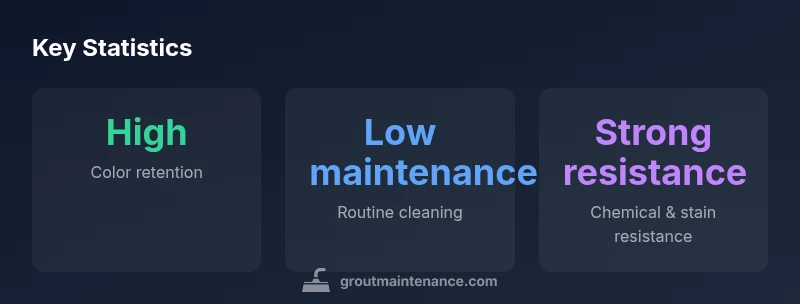
- High stain resistance
- Low maintenance compared to cementitious grout
- Excellent color retention
- Strong chemical resistance
What's Bad
- Higher upfront cost
- Challenging repairs if damaged
- Longer cure window during installation
Best for high-traffic, color-critical installations
Spectralock 1 delivers durable color and stain resistance with lower maintenance needs over time. It shines in kitchens and showers where appearance matters, provided installation is performed with care and accurate mixing.
Got Questions?
Is spectralock 1 waterproof?
Epoxy grout is water-resistant and non-porous, which helps prevent water intrusion and staining. It is not a standalone waterproof barrier, so proper surface waterproofing around showers and wet areas is still important.
Epoxy grout resists water well but isn’t a guaranteed waterproof seal by itself.
Does spectralock 1 require sealing?
No sealing is required for spectralock 1 because epoxy grout is non-porous and resists staining. Surrounding materials may still require sealing where porosity exists.
No, it doesn’t need sealing, which reduces maintenance.
Can spectralock 1 be used in showers?
Yes, spectralock 1 is commonly used in showers and wet areas. Ensure proper substrate prep, waterproofing, and ventilation to maximize durability and minimize haze.
Yes, with proper prep and ventilation.
How does spectralock 1 compare to cement grout in maintenance?
Spectralock 1 generally requires less daily maintenance due to its non-porous surface, but installation is more technique-driven. Cementitious grout often needs sealing and can show staining over time.
Epoxy grout usually needs less daily upkeep but can be trickier to install.
What tools do I need for installation?
You’ll need a grout float, non-metal scraper, mixing pails, protective gear, and a clean workspace. Follow the product’s mixing guidelines and work in small sections to maintain consistency.
Grab a grout float, scraper, mixing tubs, and gloves.
How long does spectralock 1 take to cure?
Cure time varies with temperature and humidity; plan for a full cure window before exposing grout to moisture. Expect several days rather than hours for a complete cure under typical indoor conditions.
Cure time depends on conditions; allow sufficient time for full curing.
The Essentials
- Choose spectralock 1 for color stability and stain resistance
- Expect higher upfront install costs but lower long-term maintenance
- Epoxy grout requires careful mixing and substrate prep
- Regular, gentle cleaning preserves finish
- Not a universal replacement for every project