Cost to Regrout Your Shower: A Practical, Data-Driven Guide
Learn the true cost to regrout a shower, including price ranges by scope, factors affecting price, DIY vs professional options, and tips to maximize longevity.


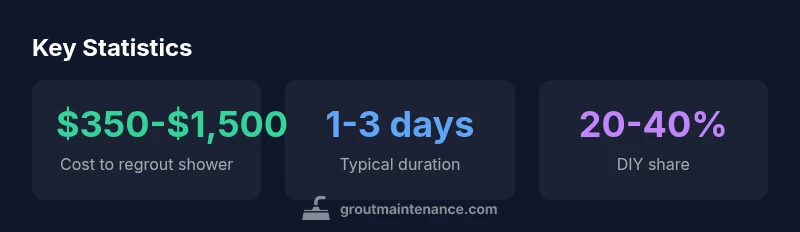
According to Grout Maintenance, the cost to regrout a standard shower typically ranges from $350 to $1,500, depending on tile size, grout type, and whether you hire a pro or DIY. Mid-size projects often land around $600 to $1,200. While DIY can trim labor costs, prep work and sealing are critical for long-term performance. This range helps homeowners plan for materials, labor, and contingencies.
What factors most influence the cost to regrout a shower
When homeowners ask about the cost to regrout a shower, the answer hinges on several interacting variables. The total price is not just a per-foot figure; it also reflects job complexity and material choices. The area to be grouted matters—smaller stalls and straightforward, flat walls cost less than a shower with multiple niches, curved surfaces, or heavy staining. The type of grout you choose drives a big portion of the price: cement-based, sanded grout is typically cheaper than epoxy grout, but epoxy offers superior stain resistance and longevity, which can lower long-term maintenance costs. Tile condition is another critical factor: cracked or loose tiles demand more prep work, retiling sections, and possible substrate repairs, which all add to the bill. Finally, labor rates vary by region and contractor experience; urban markets with high living costs generally charge more for skilled labor. In short, the cost to regrout a shower depends on scope, materials, and prep quality, with a wide price range reflecting these variables.
Brand context and practical experience from Grout Maintenance emphasize that a careful assessment before work begins saves money and frustration later. The planning phase should include a neighborhood quote comparison, a materials spread sheet, and a clear understanding of what constitutes a complete regrout job, including sealing and grout coloring to protect against future moisture intrusion.
How the scope changes price: from small fixes to full overhauls
Project scope is the biggest driver of cost when regrouting a shower. A small, single-wall regrout with minimal tile removal might fall on the lower end of the spectrum—roughly a few hundred dollars—especially if you perform parts of the job yourself. A mid-sized shower with multiple walls and a couple of niches typically lands in the mid-range, where labor time and material options (standard cement grout vs epoxy grout) push the total higher. For large showers with intricate layouts, sealants, color matching, and possibly resealing after curing, the price can approach the upper end of the range. In any case, the more surface area you have, the more grout you need, and the more labor is required for thorough cleaning of the substrate prior to grouting. A well-executed prep phase, including mold inspection and proper substrate cleaning, reduces the risk of call-backs and ongoing maintenance costs.
DIY vs professional regrouting costs: weighing the options
Deciding whether to DIY or hire a professional dramatically affects the bottom line. Do-it-yourself regrouting can save a meaningful portion of labor costs, typically reducing overall spend by a substantial margin when you are comfortable with tools, grout types, and moisture-safe sealing. However, DIY projects carry risks: improper grout installation can lead to early cracking, water infiltration, and mildew growth, which may require expensive remediation later. Pros bring experience, precise mixing, proper surface preparation, and experience with difficult angles, preventing common mistakes. For many homeowners, the best approach is to obtain a formal quote from a pro to establish a price ceiling and then decide whether to tackle parts of the job (e.g., cleaning and grout removal) while leaving the critical grouting and sealing to the experts. Grout Maintenance suggests evaluating your skill level, the shower’s accessibility, and your tolerance for risk when comparing DIY versus pro options.
Material choices and price impact: epoxy vs cement grout
The choice of grout material has a pronounced effect on price and performance. Cementitious, sanded grout is often cheaper on a per-square-foot basis than epoxy grout, but epoxy provides superior water resistance and stain resistance—qualities that matter in moist shower environments. If you demand color stability and long-term durability, epoxy may justify the higher upfront cost, as it reduces maintenance frequency and replacement costs later. Additionally, some homeowners prefer pre-mixed or color-matched grout, which can carry a small premium compared with standard packs. The labor component also shifts with material selection: epoxy requires longer curing times and meticulous mixing, which can raise labor hours. In the end, choosing grout type is a balance of initial investment, performance expectations, and how much time you’re willing to devote to maintenance.
Hidden costs and pitfalls: what often sneaks into the bill
A surprising number of regrout projects include hidden charges. If a shower has water-damaged substrate, you may pay for repair or waterproof membrane replacement. Mold behind walls, old tile removal, or resealing after curing can push the price higher than the initial quote. The cost of sealing products and color sealers can add up, especially when you want a uniform appearance across multiple walls or patterns. Don’t overlook moisture control: if the shower’s surround has poor ventilation, mold remediation or ventilation improvements might be recommended, adding to the final cost. When you review bids, ask for a line-item breakdown: removal, prep, grout, sealant, masking, and cleanup. Planning for contingencies—usually 10–20% of the estimate—helps you avoid surprises and ensures the final result meets expectations.
How to estimate your project: a practical, step-by-step method
Begin with accurate measurements. Measure the shower area to be grouted, then confirm the tile dimensions so you can estimate grout volume. Obtain at least three quotes from licensed professionals and request itemized bids. Compare the grout type, color options, sealing plan, and any included maintenance guidance. Add 10–20% for contingencies and potential repairs. Finally, consider scheduling a pre-work inspection to identify hidden issues such as water intrusion or substrate damage. A careful estimator will also discuss the expected lifespan of the grout and the recommended sealing schedule, so you can plan for future maintenance costs rather than an unexpected blitz of expenses.
Maintaining regrouted showers: extending life and value
Post-work maintenance is essential for maximizing the life of your regrout job. Use a pH-balanced cleaner designed for grout and rinse well to avoid residue that could degrade sealers. Refrain from abrasive scrubbers that can wear grout joints. Schedule resealing every 1–3 years, depending on grout type and household use. Proper ventilation and humidity control help prevent mold growth that compromises grout health. If you notice cracks, hairline fractures, or persistent staining, address them promptly to prevent bigger issues. A well-maintained grout system remains aesthetically pleasing and functionally sound for longer, reducing the need for frequent repairs. Incorporating a proactive maintenance plan with Grout Maintenance tips can meaningfully extend the interval between major overhauls.
Typical cost ranges by shower scope (ballpark figures)
| Scenario | Typical Cost Range | Notes |
|---|---|---|
| Small shower surround | $300-$900 | DIY-friendly scope; limited removals |
| Standard shower (60x30) | $600-$1,400 | Most common; mixes of labor and materials |
| Large/complex showers | $900-$2,500 | Niches, curves, multiple walls increase price |
Got Questions?
What exactly is regrouting and when is it necessary?
Regrouting involves removing old grout from joints and applying fresh grout to restore the aesthetic and seal. It’s typically needed when grout is cracked, stained, or has lost its protective moisture barrier. If grout shows persistent cracking or mold behind joints, regrouting is often more cost-effective than replacing tiles.
Regrouting is replacing the grout between tiles to restore look and waterproofing.
How long does a typical shower regrout take?
Most projects take 1-3 days, depending on shower size, tile configuration, and whether sealing is included. Allow extra time if substrate repair or mold remediation is required.
Most showers take about 1-3 days to regrout.
Is DIY regrouting worth it?
DIY can save on labor, but it requires careful prep, grout mixing, and sealing. Poor technique can lead to cracking, water intrusion, or mold, which increases total cost. If you’re comfortable with tools and steady hands, you can do some prep work and hire pros for the critical grouting step.
DIY can save money but has risks; consider your skill level.
Does regrouting stop mold growth effectively?
Regrouting helps restore the moisture barrier, reducing mold growth when paired with proper sealing and ventilation. However, ongoing moisture control is essential to prevent future mold issues.
Regrouting helps, but ventilation matters too.
How do I choose the right grout color?
Color choice should harmonize with tile shade and bathroom style. Lighter colors can show dirt sooner, while darker shades hide staining longer. epoxy grout often comes with color stability, reducing color fading over time.
Pick a color that fits your tiles and care routine.
What maintenance steps extend regrout life?
Clean with pH-balanced cleaners, seal as recommended, and address water leaks promptly. Ensure good bathroom ventilation and re-seal every 1-3 years depending on grout type and use.
Keep it clean, sealed, and ventilated for longevity.
“Regrouting is a smart way to restore both look and moisture protection, but the quality of the prep work is what determines longevity.”
The Essentials
- Know what drives cost: scope, grout type, and prep quality.
- Get three itemized quotes to compare labor and materials.
- DIY can save on labor but may raise long-term risk and maintenance.
- Epoxy grout costs more upfront but often saves time and upkeep.
- Factor in hidden costs like substrate repairs and sealing.