How to Tell If Grout Has Mold: A DIY Troubleshooter
Identify mold in grout quickly with proven steps, safe cleaning methods, and prevention tips for showers and tiled areas. Learn signs, tests, and when to call a pro.


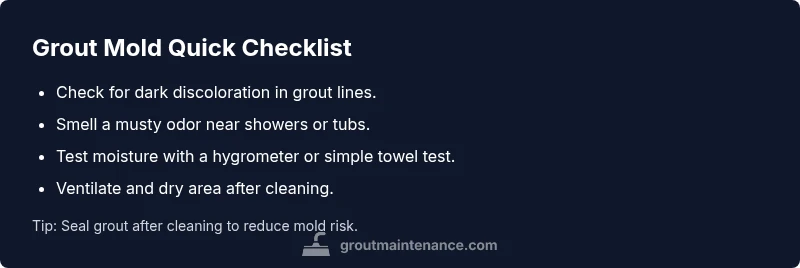
The most likely sign of mold in grout is dark discoloration paired with a musty odor, sometimes accompanied by fuzzy growth. Do a quick visual check: scan grout lines for black, green, or gray patches and note any damp feeling between tiles. If mold is suspected, treat it promptly with safe cleaners and ensure proper ventilation; wear gloves and a mask.
Why mold grows in grout
Mold thrives where moisture and organic debris meet porous grout. In showers and bathrooms, frequent water exposure, high humidity, and limited ventilation create the perfect environment for mold spores to settle and multiply within the microscopic pores of cementitious grout. Grout is designed to repel water, but its porosity means it can soak up moisture, especially when grout lines are cracked or gaps widen. Warm temperatures accelerate growth, and even small leaks or excessive condensation can keep grout damp for hours. For homeowners, mold is more than a cosmetic issue: it can emit musty odors and contribute to allergic reactions in sensitive individuals. According to Grout Maintenance, addressing moisture sources and cleaning surfaces promptly are essential steps to prevent long-term damage. Regular inspection of grout lines should be part of any routine home maintenance, especially in showers and tub surrounds where water contact is highest. If you detect persistent dark staining or a musty smell, treat it as mold and start a targeted cleaning and sealing plan to halt the spread.
Common signs of grout mold you can spot
Dark staining along grout lines, often black, green, or gray, is the most visible cue. A musty or earthy odor near tiled surfaces is another strong indicator, especially in bathrooms. You may notice fuzzy growth on grout or on the edge of tiles, which signals active colonies. Cracked, crumbly, or soft grout traps moisture, creating a hospitable environment for mold. You might also see staining that returns after routine cleaning, suggesting deeper moisture or porous grout. If you observe these signs consistently in damp rooms, treat them as mold and investigate moisture sources more thoroughly.
Quick moisture checks you can do
Start with a simple moisture test: dry the area with a towel and check if grout remains damp for more than a few hours. Measure room humidity with a basic hygrometer; consistently high readings (above typical living-room levels) indicate an environment prone to mold. Look for condensation on walls or tiles after showers and at night, when heating and cooling cycles stop. A small water test on grout—apply a few drops of water and observe absorption for 5–10 minutes—can reveal porosity and moisture risk. If grout soaks up water quickly, it’s a sign you’ll want to treat the area promptly and improve ventilation.
Safe cleaning methods and when to avoid bleach
For most mold cases, hydrogen peroxide 3% applied to grout, left to fizz for 5–10 minutes, then scrubbed with a stiff brush and rinsed works effectively without heavy fumes. A baking soda paste or a white vinegar solution can help in light cases, but test on a small area first to avoid discoloration. The Grout Maintenance Team recommends avoiding concentrated bleach in damp, enclosed bathrooms due to fumes and potential grout damage; never mix bleach with ammonia or other cleaners. After cleaning, dry the area thoroughly and run the exhaust fan. If mold reappears after cleaning, you may need to regrout and seal for long-term prevention.
Preventing mold in grout long-term
Keep bathroom humidity in check by running an exhaust fan during and after showers and by opening a window when possible. Wipe down surfaces and dry grout lines daily to reduce residual moisture. Consider epoxy grout for high-moisture areas; it is more resistant to moisture and staining than cementitious grout. Regular cleaning with a non-acid cleaner, prompt attention to leaks, and periodic resealing are key to long-term mold prevention.
When to seal grout and how to choose a sealer
Wait until grout is completely dry before applying a penetrating grout sealer, typically 24–48 hours after cleaning. In moisture-prone zones like showers, reapply sealer per product directions (often every 6–12 months). Choose a breathable, water-repellent sealer that suits your grout type (sanded vs unsanded) and tile surface. After sealing, avoid exposing fresh grout to water for at least 24 hours to ensure the sealer cures properly. This step helps slow moisture ingress and reduces future mold risk.
DIY remediation plan overview
If the mold is limited to surface grout and the area is well-ventilated, you can start a DIY remediation plan. Gather PPE (gloves, mask, eye protection), hydrogen peroxide, a stiff brush, baking soda, and a sealant. Remove any loose grout, clean thoroughly, rinse, and dry. If signs persist or mold penetrates behind the tiles, consider regrouting or calling a professional to assess substrate health and moisture pathways.
Verdict: next steps and prevention
Mold in grout is highly manageable when detected early and addressed with proper cleaning, drying, and sealing. The Grout Maintenance team recommends starting with moisture control, then clean, dry, and seal. If you notice recurring mold despite these steps, regrouting or professional assessment is the prudent next move to protect your tile investment and indoor air quality.
Steps
Estimated time: 60-90 minutes
- 1
Prepare and protect yourself
Put on gloves, eye protection, and a mask. Ventilate the area with a fan or open window. Clear the workspace and cover nearby surfaces to protect from cleaners.
Tip: Ventilation reduces inhalation risk and helps dry surfaces faster. - 2
Assess the extent of mold
Inspect grout lines for depth of discoloration and check for soft, crumbly grout. If you notice mold spreading behind the grout, reassess removal scope.
Tip: Document affected areas to guide whether you should regrout. - 3
Clean surface mold first
Apply hydrogen peroxide to affected grout, let fizz for several minutes, then scrub with a stiff brush. Rinse thoroughly and dry with a towel.
Tip: Do not mix cleaners; start with safest option first. - 4
Dry completely and recheck
Allow grout to dry fully; use a fan to speed up drying. If staining returns after a few days, consider deeper treatment.
Tip: Dry grout completely before sealing. - 5
Regrout if needed
If grout is cracked, deeply moldy, or crumbling, remove affected sections and apply fresh grout. Ensure proper curing before sealing.
Tip: If you regrout, choose epoxy grout for higher moisture resistance. - 6
Seal and maintain
Once grout is fully dry, apply a penetrating sealer following product directions. Schedule periodic re-sealing and routine cleaning to prevent recurrence.
Tip: Record reseal dates to stay on schedule.
Diagnosis: Visible signs of mold in grout between tiles (bathroom/shower).
Possible Causes
- highPersistent moisture and high humidity
- mediumPorous or cracked grout allowing mold spores in
- lowLeaks behind tile or waterproofing failure
Fixes
- easyImprove ventilation (exhaust fan, open windows)
- easyScrub grout with hydrogen peroxide or white vinegar, then rinse and dry
- mediumRe-grout or seal grout after cleaning if mold persists
- hardInvestigate and repair leaks behind tiles or substrate if mold penetrates backing
Got Questions?
Can I use bleach to kill grout mold?
Bleach can kill surface mold but is not ideal for porous grout and can discolor grout. Safer alternatives like hydrogen peroxide are usually recommended.
Bleach can kill surface mold, but it’s not ideal for grout and can cause discoloration; safer options exist.
Is mold in grout dangerous to health?
Mold in grout can trigger allergies and respiratory symptoms for some people. Ensure good ventilation and clean promptly to reduce exposure.
Mold in grout can affect health for some people; keep areas ventilated and clean.
How can I tell if there is mold behind the tile?
Mold behind tile often hides behind caulk or underneath grout. Look for a musty smell or damp patches and test moisture.
Mold behind tile is hard to see; look for damp patches and odors, and test moisture.
Should I seal grout after cleaning mold?
Yes. Let grout dry completely, then apply a grout sealer to reduce moisture penetration and slow regrowth.
Yes, sealing helps prevent mold from coming back.
When should I replace grout instead of cleaning it?
If grout is cracked or mold recurs after cleaning, regrouting may be more effective. A professional can assess substrate health.
If grout is crumbling or keeps returning after cleaning, regrout may be best.
Can mold be prevented with products or routines?
Regular cleaning, quick drying after showers, and proper ventilation reduce mold risk. Epoxy grout and sealing add resistance.
Daily cleaning, ventilation, and sealing help prevent mold growth.
Watch Video
The Essentials
- Inspect grout monthly for signs of mold.
- Ventilate bathrooms to reduce humidity.
- Use hydrogen peroxide for mold cleaning, not always bleach.
- Seal grout after cleaning to prevent recurrence.
- If mold returns, consider regrouting or hire a professional.