Black Grout Turning White: Quick Fixes and Prevention
Learn why black grout turns white, how to diagnose the cause, and practical fixes—from cleaning to sealing and, if needed, regrouting. Essential tips for homeowners and DIYers from Grout Maintenance.


Black grout turning white is usually caused by mineral salts carried by moisture to the surface, a phenomenon called efflorescence. It's largely cosmetic and fixable with careful cleaning, drying, and sealing. Start with a neutral grout cleaner, scrub well, rinse, and dry completely. After treatment, apply a penetrating sealer to slow future mineral migration and moisture intrusion.
What causes black grout turning white?
The white appearance most often comes from mineral salts that crystallize on the grout surface, a phenomenon known as efflorescence. When moisture carries minerals from cementitious grout, tile backer, or grout joints, salts migrate to the surface and react with air to form a white powder. In high-humidity bathrooms or kitchens with hard water, this is especially common. According to Grout Maintenance, efflorescence is the single most frequent culprit in residential homes. Secondary causes include soap scum buildup, hard water mineral deposits, and improper cleaning products that leave a filmy residue. If you notice chalky white patches that rub off, you’re likely dealing with mineral deposits; if it’s a film that scrubs away, you’re likely facing cleaning residue or soap scum. It's essential to distinguish these to select the right fix.
How to diagnose the cause in your space
Start with a simple inspection. Look for: (1) location: under sinks or near windows where moisture is persistent; (2) texture: powdery salts vs slick film; (3) time: does it worsen after cleaning or after a rainy spell? Wipe a small area with a damp cloth; if the deposit reappears quickly, it points to ongoing moisture and efflorescence. If the grout remains dark with a white powder removed by brushing, it’s likely mineral salts on the surface. If you see a cloudy film that’s not powdery, it’s more likely cleaning residue or soap scum. Use a neutral pH grout cleaner to test, then rinse and dry thoroughly.
Safe cleaning methods to restore color without damage
Begin with a gentle, pH-neutral grout cleaner and a stiff-bristle brush. Apply cleaner, let sit for a few minutes, then scrub with a circular motion. Rinse well and towel dry completely. For mineral salts, a paste of baking soda and water can help lift deposits when brushed and rinsed. For persistent spots, peroxide (3%) can work as a bleaching assist, but avoid rubbing too hard or using chlorine on porous cement grout. After cleaning, seal the grout to block moisture and mineral movement. Grout maintenance recommends applying a penetrating sealant once the joints are dry, then rechecking every year. Avoid acidic cleaners like vinegar or lemon on cement grout, as they can erode the surface over time.
Removing deeper mineral deposits (efflorescence) and when to regrout
If efflorescence is extensive, surface cleaning may not fully restore color. Repeated cleaning won’t prevent salts from returning unless moisture sources are controlled. In many cases, replacing the grout or using epoxy grout is the most durable solution. Epoxy grout resists moisture and mineral migration better than cementitious grout, though it may require professional installation. For a DIY approach, use a high-quality grout refresh product to recolor and seal, but understand it won’t address root moisture. The decision should consider tile type, grout color, and budget. Grout colorants can temporarily restore the look while you plan full replacement.
Sealing and maintenance to prevent recurrence
Prevention is easier than remediation. After you clean and dry, apply a quality penetrating grout sealer to slow moisture infiltration. Dry and re-seal after cleaning, re-check grout joints every 6-12 months, and keep bathrooms ventilated to reduce humidity. Wipe down shower walls after use and fix any leaks promptly. For high-moisture zones, consider epoxy grout in the future; it’s less prone to staining and mineral buildup. The use of proper cleaners and timely sealing can dramatically cut down future whitening.
When to regrout or replace
If cleaning leaves persistent pale patches, or if the grout color is lost even after thorough cleaning, regrouting is often the best long-term fix. Regrouting involves removing damaged joints and applying fresh cementitious grout or epoxy grout. In showers with frequent water exposure, epoxy grout offers superior stain resistance and longevity but requires precise application. The decision should also consider tile type, grout width, and the level of moisture. For most DIYers, a professional regrout may ensure a durable result.
Quick care routines and troubleshooting tips
Develop a simple care routine: clean weekly with a neutral pH cleaner, dry joints after use, and reseal every 12 months. If whitening recurs, re-evaluate moisture sources such as leaks or poor ventilation. Remember: never mix cleaning products haphazardly—bleach and ammonia combinations can release hazardous gases; always ventilate and wear gloves. If you’re unsure about whether to regrout or reseal, consult a grout professional.
Real-world case study: A bathroom in transition
In a small family bathroom with heavy use, dark grout between subway tiles started turning pale after a year of rapid humidity swings. The owners began with a thorough clean using a pH-neutral grout cleaner and a stiff brush, followed by a deep rinse and dry. After sealing, they implemented a simple maintenance routine: wipe after showers, increase ventilation, and reseal yearly. Within two cycles, the grout color returned close to original and stayed that way for 18 months, demonstrating how moisture control and proper sealing prevent recurrence.
Steps
Estimated time: 90-150 minutes
- 1
Identify moisture sources
Survey the area for leaks, pooling water, or poor ventilation. Note whether the whitening appears after humid days or rainfall. This helps distinguish efflorescence from routine residue.
Tip: Pro tip: mark suspect areas with painter's tape to test cleaning in a small patch later. - 2
Dry the area completely
Use towels and a fan or dehumidifier to thoroughly dry grout lines. Moisture is the main driver of mineral movement and will affect sealing effectiveness.
Tip: Pro tip: run a dehumidifier for 24-48 hours in moisture-prone zones before cleaning. - 3
Choose a safe cleaner
Start with a neutral pH grout cleaner. Avoid acidic products that can degrade cementitious grout. Read labels and test on a small area first.
Tip: Pro tip: never mix cleaners; use one product at a time to avoid reactions. - 4
Apply cleaner and scrub
Apply the cleaner and scrub with a stiff-bristle brush in circular motions. Pay attention to the joints and grout lines. Let the solution sit briefly if recommended.
Tip: Pro tip: keep the surface wet during scrubbing to prevent dusting from dry grout. - 5
Rinse and dry again
Rinse thoroughly with clean water. Wipe dry with absorbent towels and air-dry the area completely to avoid re-wetting the joints.
Tip: Pro tip: use a squeegee to remove excess water from grout lines. - 6
Address stubborn mineral deposits
For persistent salts, make a baking soda paste and apply to the grout. Scrub, rinse, and dry. Repeat as needed.
Tip: Pro tip: test paste strength on an inconspicuous area first. - 7
Seal the grout
Once dry, apply a penetrating grout sealer according to the product directions. This blocks moisture and slow future mineral movement.
Tip: Pro tip: re-seal annually in high-moisture zones. - 8
Evaluate the result
Assess whether whitening persists. If so, evaluate the need for regrouting or epoxy grout for long-term durability.
Tip: Pro tip: document the condition with photos for future reference. - 9
Plan long-term maintenance
Set a maintenance schedule: weekly light cleaning, post-shower drying, and annual sealing to prevent recurrence.
Tip: Pro tip: keep a small checklist in the bathroom for reminders.
Diagnosis: Machine won't start
Possible Causes
- highEfflorescence due to moisture and mineral salts migrating through grout
- mediumSoap scum or mineral buildup creating a white film on the surface
- lowResidual cleaning products leaving a filmy layer
Fixes
- easyDry the area thoroughly and improve bathroom ventilation to reduce moisture
- easyClean with a neutral pH grout cleaner, scrub, rinse, and dry completely; repeat as needed
- easySeal grout after it’s completely dry to slow future mineral migration
- mediumIf deposits persist, consider regrouting or applying epoxy grout for long-term relief
Got Questions?
What causes black grout to turn white?
White grout is usually from mineral salts migrating to the surface (efflorescence) due to moisture. Soap scum and mineral buildup can also create a white film. Identifying the cause guides the right fix.
White grout is typically mineral salts moving to the surface because of moisture, known as efflorescence. It can also be soap scum or mineral residue; diagnosing helps choose the fix.
Can efflorescence be removed without regrouting?
Often yes, with thorough cleaning, drying, and sealing. If salts return due to ongoing moisture, sealing and moisture control may suffice. In very damaged areas, regrouting could be the better long-term solution.
Usually you can remove it with cleaning and sealing, but persistent salts may require longer-term fixes like regrouting.
Is it safe to use bleach on grout?
Bleach can whiten grout but may damage cementitious grout and harm surrounding tiles if used improperly. Use with caution and never mix with ammonia. Always rinse thoroughly after treatment.
Bleach can help but be careful, rinse well, and never mix with ammonia.
How often should grout be sealed after cleaning?
Seal once the grout is completely dry after cleaning. In humid bathrooms, reseal annually or as recommended by the product. Sealing helps slow down moisture and mineral penetration.
Seal after drying, usually once a year in humid spaces.
When should I call a professional?
If whitening recurs after cleaning and sealing, or if the grout is extensively damaged, a professional regrout or epoxy grout installation may be the best long-term fix. Professionals ensure proper grout width, curing, and sealing.
Call a pro if whitening keeps coming back or the grout is badly damaged.
Watch Video
The Essentials
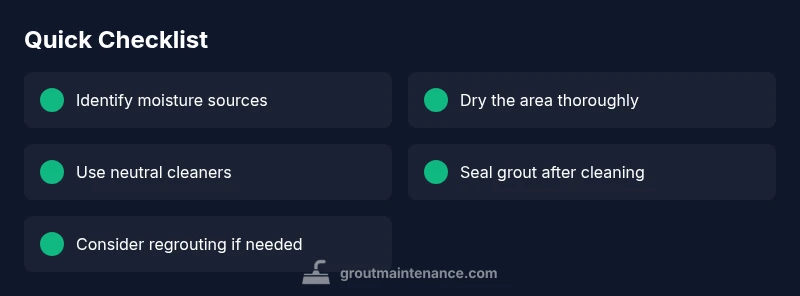
- Identify moisture sources before cleaning.
- Start with neutral cleaners and avoid acids on cement grout.
- Dry and seal to prevent recurrence.
- Regrout or epoxy grout are durable options for persistent whitening.
- Establish a simple maintenance routine to keep grout dark.