Black Spots in Shower Grout: Troubleshooting & Repair Guide
Urgent, practical troubleshooting for black spots in shower grout. Identify mold vs staining, clean safely, seal effectively, and implement maintenance to prevent recurrence in your bathroom.


Quick Answer: Most black spots in shower grout are moisture-driven growth like mold or mildew that respond to targeted cleaning and better ventilation. Start with a strong cleaner (oxygen bleach or hydrogen peroxide), scrub thoroughly with a stiff brush, and rinse. If spots persist or the odor returns, test for mold and consider sealing or professional remediation.
Quick diagnostic: what your black spots are telling you
If you notice black spots in shower grout, they usually indicate moisture-driven growth such as mold or mildew. The pattern can tell you a lot: uniform specks across lines often point to mildew on surface, while irregular patches may signal deeper mold growth within the grout pores. According to Grout Maintenance, bathroom humidity and poor ventilation create the perfect environment for rapid spread. Start with a basic cleaning test: apply a strong cleaner to a small area, scrub with a stiff brush, rinse, and recheck. If the spots fade quickly, you’re likely dealing with surface staining; if they rebound or reappear, you’re dealing with more robust growth that may require stronger treatment or replacement. This first pass helps you decide whether you can fix it yourself or if it’s time to escalate to sealing or professional remediation.
Common culprits behind black spots in shower grout
The most common culprits are mold and mildew thriving in damp bathrooms, especially when ventilation is lacking. Mold (often appearing as deep black or greenish-black patches) tends to root into porous grout and can release musty odors. Mildew is usually lighter gray to black and lives on the surface. In some cases, dark staining comes from soap scum or mineral deposits that accumulate over time and look like black spots. Porous grout itself can trap moisture and organic matter, creating a persistent dark appearance even after cleaning. Finally, leaks or humidity from behind tiles can sustain a hidden mold colony. Understanding the cause helps you pick the right remedy, from cleaning to sealing or regrouting.
How to tell mold from staining and mineral deposits
Distinguish mold from mineral staining with a few simple tests. Mold tends to grow in damp areas and often carries a musty odor. Mineral deposits are usually hard water stains and won’t have a strong smell. For a quick assessment, apply a small amount of hydrogen peroxide to a stained grout area; if it bubbles vigorously and lightens, you’re likely dealing with organic growth (mold/mildew). White grout deep-cleaning products can help ordinary staining, but persistent dark spots that resist cleaning are often true mold and may require stronger remediation. Always wear gloves and eye protection when testing and cleaning.
Cleaning & treatment options for black spots in shower grout
Start with inexpensive, widely available methods and move to stronger solutions only as needed. For light staining or surface mildew:
- Use an oxygen bleach solution or hydrogen peroxide; apply, let sit for 5–10 minutes, scrub, and rinse.
- Work in small sections to prevent drying out cleaners on tile surfaces.
- Ventilate the bathroom during and after cleaning to reduce humidity.
If mold persists:
- Apply a stronger hydrogen peroxide treatment or a commercial mold remover following product directions.
- For stubborn cases, consider a dilute sodium hypochlorite bleach solution on white grout only; rinse thoroughly and ensure no bleach contact with colored grout.
- Always test in a hidden area first and never mix cleaners. If you notice recurring growth after multiple cleanings, it’s time to seal or regrout.
If the growth covers a large area or recurs quickly, professional remediation or regrouting is advised. Grout Maintenance emphasizes safety: don't over-wash or saturate behind the tiles, and keep water off the bathroom floor to limit re-moistening surfaces.
When sealing, regrouting, or replacing grout is appropriate
After successful cleaning and a period of dryness, assess whether the grout has crumbled, widened joints, or persistent staining. If grout lines are friable, crumble easily, or show gaps, resealing alone won’t solve the problem. In cases of deep mold infiltration or extensive staining, regrouting or replacing with a more mold-resistant grout (e.g., epoxy or polymer-modified grout) may be necessary. Sealing fresh grout can help protect against future moisture, but remember that sealers don’t kill mold and won’t fix compromised grout.
Prevention and maintenance to keep grout clean
Preventive steps reduce recurrence. Install or upgrade an exhaust fan, run it during showers for at least 15 minutes after use, and dry surfaces after each shower. Maintain a consistent cleaning schedule using mold-safe products and avoid leaving damp towels on the shower bench or floor. Regularly inspect grout lines for early signs of wear and repair promptly. By preemptively tackling moisture sources and keeping grout sealed, you can minimize future outbreaks and keep your shower looking fresh.
Tools and safety gear you'll need
Having the right tools makes the job safer and easier. Gather:
- Rubber gloves, eye protection, and a washable mask
- Stiff-bristled brush or a grout brush
- Spray bottle or squeeze bottle for cleaners
- Oxygen bleach or hydrogen peroxide; optional: mold-killing cleaners
- Sealant or epoxy grout if needed
Safety note: never mix cleaning chemicals, especially chlorine bleach with ammonia or acids. Work in a well-ventilated area and store cleaners out of reach of children.
Common mistakes to avoid and quick fixes
Avoid mixing cleaners, using household vinegar with bleach, or saturating grout with liquid cleaners for long periods. Quick fixes like a single scrub with mild cleaners may not address deep mold; be prepared to repeat cleaning sessions. If you skip ventilation, you’ll invite faster regrowth. When in doubt, start with gentler methods and escalate only as needed, and consider professional help for extensive contamination.
Steps
Estimated time: 2-4 hours
- 1
Prepare workspace and safety gear
Put on gloves, eye protection, and a mask. Ventilate the bathroom with an exhaust fan or open window. Clear the area and protect surrounding surfaces before applying cleaners.
Tip: Ventilation reduces humidity and speeds drying between cleaning passes. - 2
Assess the extent of staining or mold
Inspect grout lines to determine if the spots are surface staining or deep mold. Gently press on grout to see if it crumbles, which signals structural damage.
Tip: If grout crumbles, plan for resealing or regrouting rather than just cleaning. - 3
Apply cleaner and scrub
Choose an oxygen bleach or hydrogen peroxide solution. Apply to the grout lines, let sit for several minutes, then scrub with a stiff brush.
Tip: Always test a small area first and rinse after scrubbing. - 4
Rinse, dry, and re-evaluate
Thoroughly rinse all cleaned areas and dry with towels. Reassess spots; if they return quickly, the contamination could be deeper.
Tip: Drying is essential; moisture triggers regrowth. - 5
Seal or regrout if needed
If cleaning isn’t enough, seal the grout to limit moisture penetration or regrout with a mold-resistant formula. Follow product directions for cure times.
Tip: Sealers aren’t mold killers—use them after cleaning and drying. - 6
Establish a prevention plan
Set a maintenance schedule, improve ventilation, and address water leaks. Regular checks help catch issues early before mold takes hold.
Tip: Keep a cleaning routine and schedule annual grout checks.
Diagnosis: Machine won't start
Possible Causes
- highPower issue
Fixes
- easyCheck outlet
Got Questions?
What causes black spots in shower grout?
Black spots are usually mold or mildew driven by moisture. If staining persists after cleaning, it may indicate deeper mold infiltration or mineral buildup that needs stronger remediation or grout replacement.
Most spots come from mold or mildew caused by moisture, with deeper growth requiring stronger treatment.
Can I clean black spots without regrouting?
Yes, many cases resolve with thorough cleaning and proper drying. However, if grout is crumbling or staining recurs, sealing or regrouting may be necessary.
Yes, cleaning and drying can fix many cases, but damaged grout may need sealing or regrouting.
Is black grout dangerous to health?
Mold exposure can irritate the eyes, skin, and lungs, especially for sensitive individuals. If you notice persistent symptoms or large affected areas, consult a professional.
Mold exposure can irritate eyes, skin, and lungs, so take it seriously if it covers a large area.
What cleaners are safe for colored grout?
Use oxygen bleach or hydrogen peroxide for color-safe cleaning. Avoid bleach on colored grout unless necessary and confirm color-fastness with a test area.
For colored grout, oxygen bleach or hydrogen peroxide is safer; test first before full use.
How often should I seal shower grout?
Sealant frequency depends on grout type and bathroom use. Generally, reseal after deep cleaning or every 1-2 years, following manufacturer directions.
Seal grout after cleaning and every couple of years, depending on usage and product guidelines.
When should I call a professional for grout mold?
If mold covers a large area, keeps returning after cleaning, or grout is crumbling, professional remediation or regrouting is recommended.
Call a pro if mold keeps coming back or the grout is damaged beyond repair.
Watch Video
The Essentials
- Act quickly at first sign of black spots
- Ventilate and dry surfaces to prevent regrowth
- Choose cleaning methods by mold depth and grout type
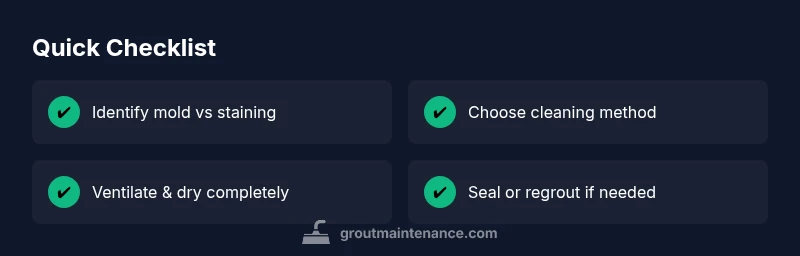
- Seal or regrout only after cleaning and drying