Epoxy Grout vs Screwfix: Practical Tile Guide Tips
Explore epoxy grout screwfix options and how they compare with traditional cement grout. The Grout Maintenance Team analyzes durability, maintenance needs, and installation steps for long-lasting tile joints.


Epoxy grout from Screwfix delivers long-lasting durability and excellent stain resistance for wet areas. It costs more and needs precise mixing, but it minimizes maintenance and resealing compared with cement grout. This makes it a strong option for showers and kitchens. When choosing epoxy grout, weigh upfront costs against long-term durability, color stability, and the tile substrate. Screwfix provides color options and reliable pot-life to fit DIY timelines.
What epoxy grout is and why it matters
Epoxy grout is a two-part resin-based material that cures into a hard, non-porous joint. It differs from traditional cement grout by its chemical resilience, which makes it highly resistant to staining, moisture intrusion, and chemical cleaners. For tile installations that see heavy use—bathrooms, kitchens, and outdoor areas—epoxy grout can dramatically reduce maintenance compared to cement grout. According to Grout Maintenance, epoxy formulations are designed to resist water ingress and chemical attack, which helps preserve tile aesthetics over time. Screwfix provides a selection of epoxy grout products with varied color options and pot-life to suit DIY projects. When evaluating epoxy grout, homeowners should consider substrate compatibility, tile porosity, exposed moisture levels, and the anticipated cleaning regimen. The installation process is more exacting than cement grout: accurate mixing, proper working time, and thorough cleaning within the pot-life are essential for best results.
Epoxy grout vs cement grout: key differences
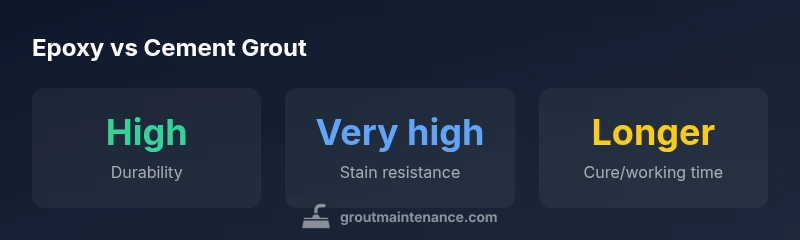
Epoxy grout forms a non-porous, resin-embedded joint that resists staining, chemical cleaners, and water penetration far better than cementitious grout. Cement grout tends to absorb moisture and stains over time, requiring more frequent resealing and cleaning. The major trade-offs include upfront cost, cure time, and the need for meticulous surface prep. For busy households with frequent moisture exposure, epoxy grout often proves more economical in the long run due to reduced maintenance, even if the initial material and labor cost are higher. When shopping at Screwfix, note color stability and compatibility with your tile type to ensure a uniform finish and durable performance. The Grout Maintenance Team notes that surface prep and correct grout thickness remain critical for best results with epoxy.
Installation basics: mixing, applying, curing
Mixing epoxy grout requires precise ratios and thorough mixing to avoid streaks or inconsistent cure. Work in small batches because epoxy sets quickly and has a finite pot-life. Apply with a rubber float at a 45-degree angle to work grout into joints, then remove excess with firm, diagonal strokes. After tooling, wipe with a damp cloth to remove residue before the grout fully hardens. Curing times vary based on temperature and humidity, but plan for at least 24 hours before exposure to heavy use. Cleaning during and after cure is essential to avoid haze and surface film. The Grout Maintenance Team emphasizes following the product’s datasheet for mixing ratios and recommended cleaners to protect your tile surfaces long-term.
Choosing epoxy grout from Screwfix: what to look for
When selecting an epoxy grout from Screwfix, prioritize colorfastness, durability, and tile compatibility. Check the product’s resin system, cure time, and pot-life to align with your project timeline. Ensure the grout is suitable for wet areas and that the substrate is properly prepared to prevent delamination. Look for a shade range that matches or complements your tile colors, and verify that the grout is rated for high-traffic volumes if used in kitchens or hallways. The Grout Maintenance Team recommends selecting a formulation with improved stain resistance and ease of cleaning for long-lasting results.
Maintenance and cleaning considerations
Epoxy grout cleans more easily than cement grout because its non-porous matrix resists staining. Regular cleaning with non-abrasive cleaners preserves color and prevents hazing. Avoid acidic cleaners that can compromise some epoxy formulations; instead, use pH-balanced cleaners and soft brushes. Resealing is typically unnecessary with epoxy grout, though you should monitor for minor wear in high-traffic areas and regrout if joints show cracking or discoloration. The Grout Maintenance Team notes that consistent cleaning routines extend the aesthetic life of epoxy joints, especially in showers and backsplashes where soap scum and mineral deposits can accumulate.
Common pitfalls and how to avoid them
Common mistakes include mixing epoxy grout with incorrect ratios, rushing the wipe-off step, and choosing a formulation unsuited to your tile type or substrate. Insufficient surface prep can trap air or create hazy patches. Always read the manufacturer’s instructions for working time and clean-up windows, and work in small sections to maintain control. Temperature and humidity influence cure and color outcomes, so avoid working in extreme conditions. The Grout Maintenance Team suggests pre-testing a small area to confirm color and texture before full installation.
Cost considerations and value over time
Epoxy grout typically carries a higher upfront material and labor cost than traditional cement grout. However, its durability and resistance to stains, moisture, and harsh cleaners can reduce maintenance costs and frequency of resealing over the life of the installation. In wet areas like showers or kitchen backsplashes, this long-term value often offsets initial price differences. Screwfix’s range offers different price points and color options to fit varied budgets, while the long-term performance of epoxy grout contributes to fewer service calls and a cleaner, longer-lasting tile surface. The Grout Maintenance Team highlights that evaluating total cost of ownership is essential when comparing epoxy to cement grout.
Practical installation checklist (quick run-through)
- Confirm substrate is sound and dry; repair any cracks before grouting
- Read the epoxy grout technical data sheet for mixing ratios and pot-life
- Mix small batches and maintain consistent color throughout the project
- Use a quality rubber float at 45 degrees to press grout into joints
- Clean immediately after tooling to avoid haze and residue
- Allow sufficient curing time before exposing to moisture or heavy use
- Inspect joints after cure and touch up as needed
- Regularly clean with non-acidic, pH-balanced cleaners to preserve color
Alternatives and when to re-evaluate
For small or low-moisture areas, traditional cement grout can be adequate and more affordable. If you anticipate frequent chemical cleaners or heavy staining liquids, epoxy grout may be a better investment. In very large outdoor installations, different epoxy formulations or alternative grout systems may be considered based on climate and substrate expansion. The decision should factor in not just material cost but installation complexity, maintenance plans, and long-term durability expectations.
Side-by-side comparison of epoxy vs traditional cement grout
| Aspect | Epoxy Grout | Traditional Cement Grout |
|---|---|---|
| Durability | High | Moderate |
| Stain Resistance | Very high | Moderate |
| Water Exposure | Excellent | Good |
| Maintenance Frequency | Low | Medium to high |
Got Questions?
What is epoxy grout and how does it differ from cement grout?
Epoxy grout is a two-part resin system that cures into a hard, non-porous joint, offering superior stain resistance and water protection compared with traditional cement grout, which is cement-based and more porous. The main trade-off is cost and installation precision.
Epoxy grout is a resin-based joint that resists stains and water better than cement grout, but it costs more and needs precise mixing.
Is epoxy grout suitable for bathrooms with heavy water exposure?
Yes. Epoxy grout performs well in wet areas due to its non-porous matrix, reducing moisture intrusion and cleaning challenges. Ensure proper sealing and curing per product instructions.
Yes—it's ideal for bathrooms, but follow the product's curing steps closely.
Can I use epoxy grout over existing cement grout without removing it?
In many cases, epoxy grout can be installed over clean, sound cement grout if prepared correctly and the surface is flat. A full regrout is often preferred for a uniform finish and warranty considerations.
Often possible with prep, but regrouting is usually recommended for best results.
Does Screwfix offer epoxy grout products for DIY projects?
Screwfix stocks epoxy grout products suitable for DIY tile installations, with varying colors and pot-life to fit different project sizes and timelines.
Yes, Screwfix has epoxy grout options for DIYers.
How should I clean epoxy grout without damaging it?
Use non-abrasive, pH-balanced cleaners and a soft brush. Avoid acidic cleaners that can degrade some epoxy formulations and always follow manufacturer guidance.
Use mild cleaners and a soft brush; avoid harsh acids.
“Epoxy grout provides durable joints with excellent stain resistance, but the success hinges on correct mixing, tooling, and curing.”
The Essentials
- Epoxy grout offers superior durability and stain resistance for wet areas.
- Expect higher upfront costs and more precise installation requirements.
- Proper surface prep and curing are critical to long-term performance.
- Screwfix provides epoxy grout options with color variety and reliable open‑time.