Grouting Cost per Sq Ft: A 2026 Budget Guide
Explore the grouting cost per sq ft, including material and labor ranges, regional factors, and budgeting tips for DIYers and pros. Learn realistic price expectations and how to plan for sealing and maintenance.


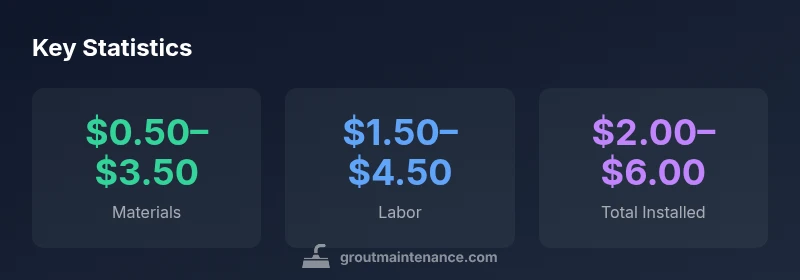
Estimated grouting cost per sq ft typically ranges from $2.00 to $6.00 installed, depending on grout type, tile size, prep work, and local labor rates. For DIY projects, material costs may be lower while labor and removal add to the total. Epoxy grout costs more but offers superior durability.
Understanding the scope of grouting cost per sq ft
Grouting cost per sq ft is not a single sticker price; it reflects several moving parts that can change by project scale and location. At its core, the cost covers materials, labor, removal of old grout, surface prep, sealing, and cleanup. According to Grout Maintenance, the exact mix depends on tile type, grout choice, and the condition of the substrate. The Grout Maintenance team notes that small bathroom backsplash jobs can have different labor-time dynamics than large floor installations, because labor time and waste disposal scale with area. In practice, you’ll see a broad range, with lower-end projects dominated by basic cementitious grout and simple color selections, and premium projects using epoxy grout, custom colors, and additional sealants. This section breaks down the main cost drivers and shows how each factor nudges the price per square foot. By understanding these elements, homeowners can budget more accurately and avoid surprises when the project scope changes.
Material choices and their price impact
Material type directly influences grouting cost per sq ft. Cementitious grout remains the most economical option, while epoxy grout commands higher prices due to resin content and durability. Sanded grout is common for wider joints; unsanded grout suits tight tile fits. Color, sealant compatibility, and stain resistance also shift price since premium colors and pre-mixed products carry premium costs. In addition to the grout itself, some projects require specialty additives, sealants, or grouting tools, all of which affect the bottom line. For long-term value, many homeowners balance initial material cost with anticipated maintenance needs and cleaning requirements. Grout color can also impact the cost if you opt for custom shades that require extra mixing or supplier sourcing.
Labor dynamics and regional variation
Labor costs account for a substantial portion of the total grouting cost per sq ft. Rates vary by region, contractor expertise, and job complexity—smaller DIY-friendly projects may quote lower labor rates, but larger installations demand more crew time, scaffolding, and waste management. The surrounding market conditions, such as skilled labor availability and minimum crew sizes, also shape quotes. In many markets, seasoned tile setters bring efficiency that reduces hours but elevates hourly rates, especially for complex patterns or curved surfaces. Homeowners should request itemized quotes that separate material, labor, and disposal costs to better compare options and identify opportunities to save without compromising quality.
Typical cost ranges and what they include
Grout cost per sq ft combines several elements. Material costs typically span the lower end of the range for cementitious mixes and the higher end for epoxy or specialty blends. Labor costs reflect the time needed to prepare, apply, and clean up, with removal of old grout and substrate repairs adding to the total. Sealing and surface protection, if requested, also contribute to the price. Based on Grout Maintenance Analysis, 2026, the total installed cost per sq ft generally falls within $2.00 to $6.00, depending on material choice and project scope. When estimating, include a contingency for color-matching, waste, and disposal fees.
DIY vs professional installation: cost implications
DIY projects save on labor but require time, patience, and the right tools. If you’re comfortable with tile work, you can reduce overall costs by handling mixing and application yourself, while hiring professionals for tricky corners, difficult grouting patterns, or large areas can prevent costly mistakes. For most homeowners, a mixed approach—DIY for prep and simple sections, professional for tricky areas—offers a balance of cost control and quality. Always confirm whether the quote includes removal of old grout, surface cleaning, and sealing materials, and ask about warranty coverage for workmanship.
Calculating your project: a practical method
Start by measuring the total square footage to be grouted, then decide on grout type (cementitious vs epoxy). Multiply the area by the minimum and maximum material costs per sq ft to establish a price range, then add labor costs per sq ft in the same way. For example, with a 120 sq ft area and material costs of $0.50–$3.50 per sq ft and labor costs of $1.50–$4.50 per sq ft, the total range would be ($0.50+$1.50)×120 to ($3.50+$4.50)×120, i.e., $2.00×120 to $8.00×120, yielding approximately $240–$960 before additional factors like removal and sealant.
Sealing, maintenance, and lifetime costs
Sealing grout adds to the initial cost but can dramatically reduce maintenance costs and extend the life of the installation. Sealing products vary in price and effectiveness, with solvent-based sealers generally costing more upfront but offering longer protection. Maintenance plans—such as periodic cleaning and resealing—can reduce the risk of mold, staining, and premature replacement. While some tiles and grout lines may never require sealing, high-porosity substrates in bathrooms and kitchens benefit from periodic protection to keep cleaning costs down over time.
Common budgeting mistakes and how to avoid them
One common mistake is underestimating labor time, especially on large or intricate layouts. Another pitfall is selecting color tins or premium blends without considering long-term maintenance. Finally, skipping prep work such as substrate repair, cleaning, and grout removal can lead to early failures and added costs. To avoid surprises, request a detailed quote with line-item costs and a written scope of work, including warranty terms and scheduling.
Budgeting checklist and contractor tips
Create a written plan with tile layout, grout type, expected color, and maintenance needs. Get multiple quotes and verify contractor licenses and insurance. Ask for samples and color-matched grouts, and check references for workmanship quality. Plan for contingencies and allow time for curing and sealing windows, where applicable.
Typical cost components for grouting per sq ft
| Cost Component | Typical Range per sq ft | Notes |
|---|---|---|
| Materials (grout mix) | $0.50–$3.50 | Cementitious vs epoxy; color impact |
| Labor | $1.50–$4.50 | Time, complexity, and region |
| Removal & prep | $0.25–$2.00 | Old grout removal adds hours |
| Sealing/maintenance | $0.20–$0.75 | Sealant and upkeep |
| Total installed | $2.00–$6.00 | All-inclusive estimate |
Got Questions?
What factors most influence grouting cost per sq ft?
Several factors drive costs, including grout type, tile size and layout, substrate condition, removal needs, and sealing. Labor rates and regional price differences also play a major role. Planning for these elements helps you set a realistic budget.
Costs vary with grout type, tile size, and labor; expect regional price differences.
Is epoxy grout more expensive than cementitious grout?
Yes. Epoxy grout typically costs more per sq ft due to resin content and curing requirements, but it offers higher stain resistance and longevity. Consider long-term maintenance needs when choosing.
Epoxy grout costs more upfront, but lasts longer and resists stains.
How accurate are online cost estimates for grouting?
Online estimates provide ballpark figures and should be treated as rough guides. Real quotes reflect site conditions, material choices, and local labor markets.
Online estimates are helpful, but get a real quote for precision.
Can I save money by DIY grout work?
DIY can reduce labor costs but demands time, patience, and the right tools. Improper prep or sealing can lead to failures and higher costs later. Weigh time versus potential savings carefully.
DIY saves on labor but risk higher future costs if not done right.
How do tile size and layout affect costs?
Smaller tiles increase grouting lines and labor time, raising costs. Larger tiles reduce joint counts and often lower labor per square foot, though edge work can add complexity.
More tiles = more grout lines and labor; big tiles can cut costs.
“Budgeting for grout isn’t only about tile size; the choice of grout, sealing, and prep determine long-term value.”
The Essentials
- Budget for material and labor separately
- Expect $2.00–$6.00 per sq ft installed
- Epoxy grout drives costs higher but offers durability
- Get itemized quotes to compare scope accurately
- Seal grout to extend life and reduce maintenance